** When you buy products through the links on our site, we may earn a commission that supports NRA's mission to protect, preserve and defend the Second Amendment. **
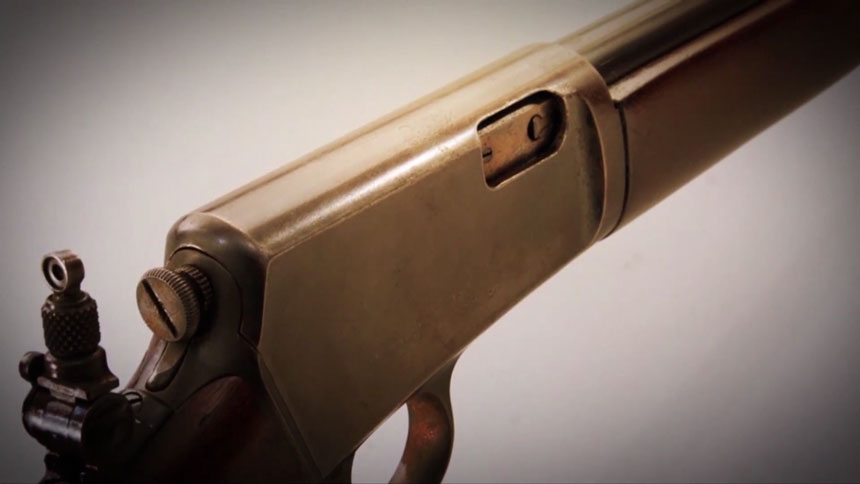
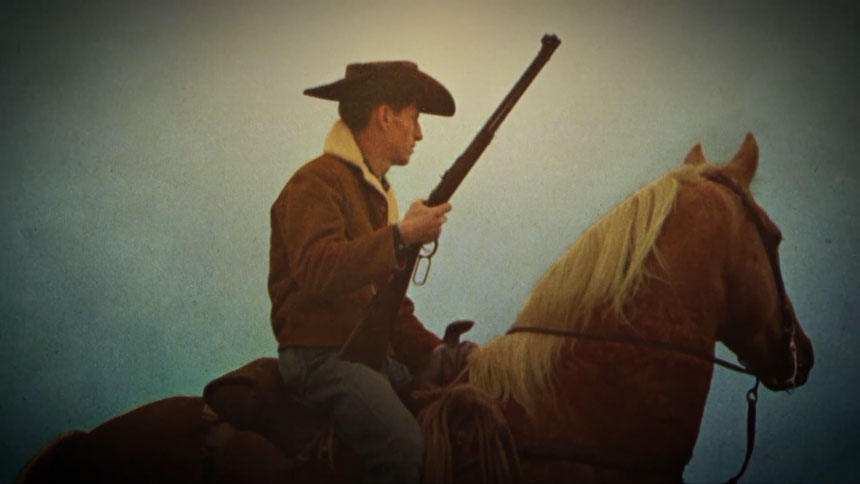
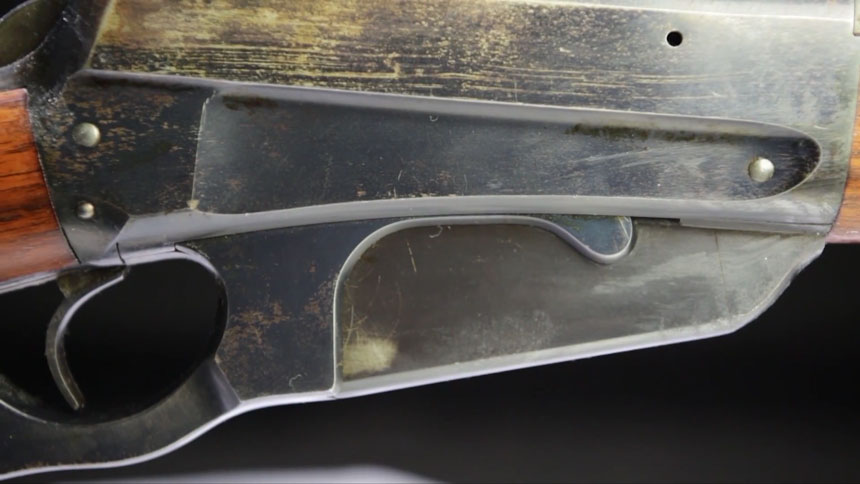
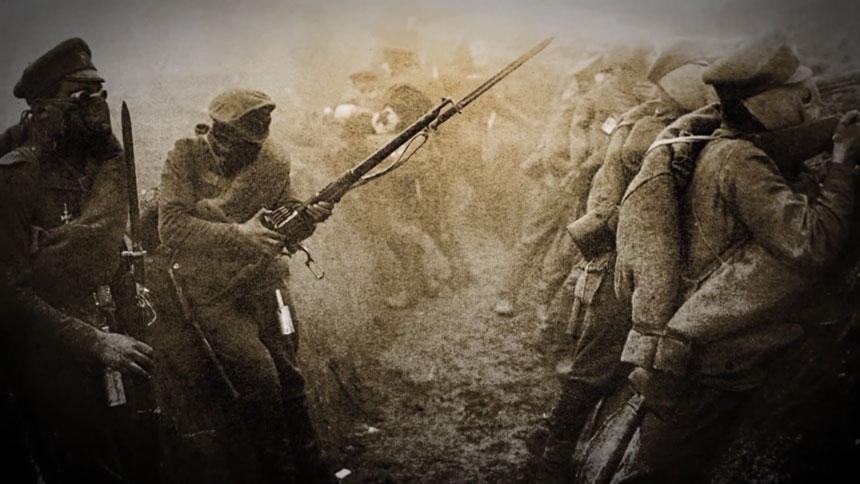
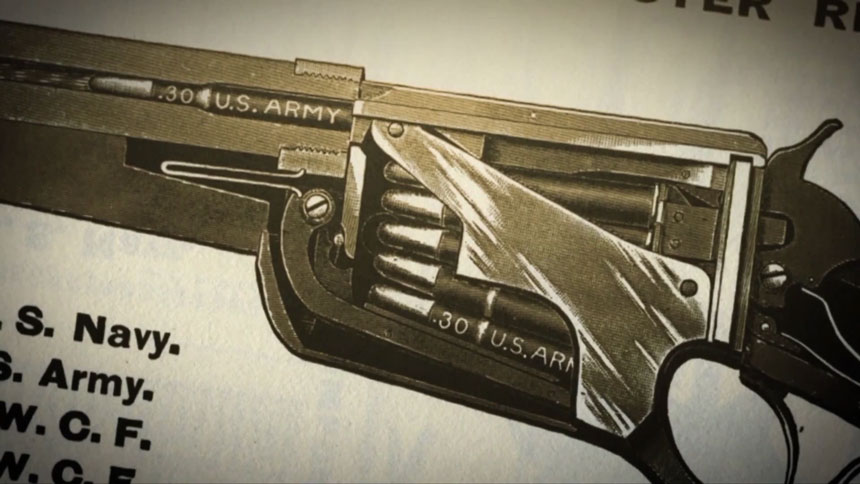
In this second installment of Winchester 150, the ARTV crew takes viewers past the well-known heyday of Winchester cowboy-action rifles, and into its vast array of contributions in the late 19th and 20th centuries. From the beloved Model 1897 shotgun, to the innovative Model 1895 lever-action, which operated without the traditional tubular magazine, to the trend-setting Model 1905 auto-loader, this video explores the changes in design and manufacturing that either bolstered or wounded this classic American brand throughout the years. For more on Winchester's glories, rough patches, and everything else in between, check out this feature segment from a recent episode of American Rifleman TV.

Federal Ammunition announced this week that it has entered into an agreement that allows the U.S. Army to utilize its patented Peak Alloy ammunition case technology for use in multiple cartridges and weapon systems.

Each self-defense case is different. As we read them, we find ourselves wondering what we would have done, and then asking if the citizen made the best decisions possible in the worst-case scenario.
Way back in the day, the three Rs of learning were colloquially known as "Readin’, Rightin’ and Rithmatic." In today's modern performance shooting, the three Rs become Rise, Return and Realignment, the core mechanics of recoil control.
Slower-than-sound rounds are an art as much as a science. For target shooting, bullet upset is not important, but if you’re using subsonic loads for hunting or self-defense, it becomes critical.
Following the Franco-Prussian War of 1870, the French military were in desperate need of a new service rifle. Their answer was the Model 1874 Gras, which was largely an update to the earlier Chassepot design.