Terminology: Trigger Shoe

by
posted on August 14, 2013
** When you buy products through the links on our site, we may earn a commission that supports NRA's mission to protect, preserve and defend the Second Amendment. **
wiley-clapp.jpg (2)

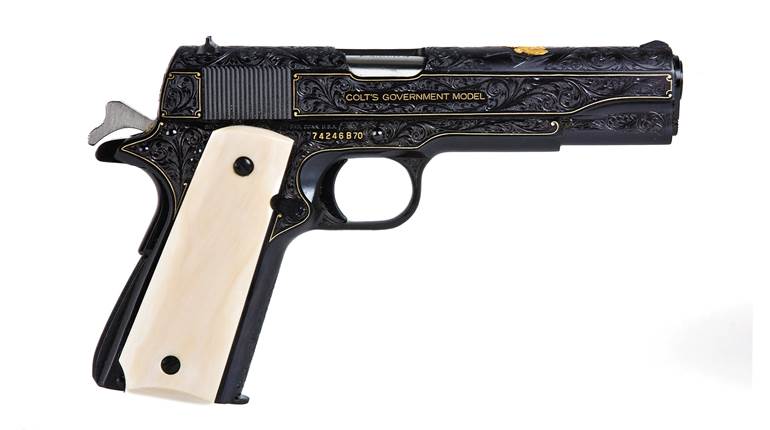
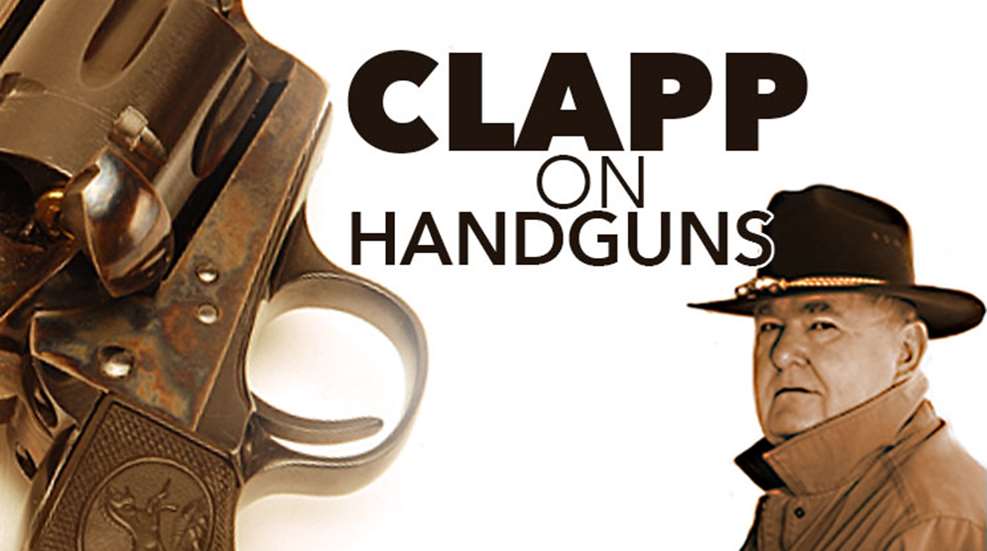
A trigger shoe is a block of metal configured to fit snugly on the front face of the trigger of a designated firearm. 1911 Match pistols often had trigger shoes installed, as did many types of Smith & Wesson revolvers. Usually held in place with a couple of Allen screws, the trigger shoe is wider than the original trigger and extends a little farther forward. In use, the shooter places the trigger finger on the shoe and gets contact over a wider area. This tends to make the trigger pull feel a little lighter.

He or she can also get a little better placement of the trigger finger on the trigger for a straight back pull. Trigger shoes were popular in the Golden Age of bullseye work and I can recall several variations in that great old Gil Hebard catalog. They helped many shooters, including this one, to improve their scores.

However, I would caution all shooters to avoid using them in any type of shooting involving speed or where the gun must be manipulated quickly. These are not devices for combat shooters. For that matter, I don’t like target triggers on combat guns. Both are intended to make the trigger easier to pull. Under stress, this might seem to be a good idea, but it really is not.

I once built up a fighting 1911 on a Gold Cup frame, with that gun’s characteristic wide target trigger. Being familiar to a regular long trigger, I got a couple of down range AD’s and it scared the devil out of me. Anything that increases trigger surface or materially lowers trigger pull weight is poison for a gun that is to be used fast.


Latest

Federal 7Mm Backcountry Rifleman Review 2

Federal Signs Agreement With U.S. Army to Improve Ammo Performance

Federal Ammunition announced this week that it has entered into an agreement that allows the U.S. Army to utilize its patented Peak Alloy ammunition case technology for use in multiple cartridges and weapon systems.

Four Armed Citizen Stories That Tell us a Lot

Each self-defense case is different. As we read them, we find ourselves wondering what we would have done, and then asking if the citizen made the best decisions possible in the worst-case scenario.


The Three Rs of Performance Shooting: Rise, Return & Realignment

Way back in the day, the three Rs of learning were colloquially known as "Readin’, Rightin’ and Rithmatic." In today's modern performance shooting, the three Rs become Rise, Return and Realignment, the core mechanics of recoil control.

Subsonic Ammo 101: Everything The Suppressor Shooter Should Know

Slower-than-sound rounds are an art as much as a science. For target shooting, bullet upset is not important, but if you’re using subsonic loads for hunting or self-defense, it becomes critical.

I Have This Old Gun: Model 1874 Gras Rifle

Following the Franco-Prussian War of 1870, the French military were in desperate need of a new service rifle. Their answer was the Model 1874 Gras, which was largely an update to the earlier Chassepot design.

Compact & Quiet: CMMG's ZEROED Banshee

CMMG has expanded its Banshee line of AR-style rifles with the ZEROED, a firearm that is optimized for suppressor use.

Interests


Get the best of American Rifleman delivered to your inbox.