Rifleman Q&A: Rifle Or Musket?

by
posted on October 30, 2018
** When you buy products through the links on our site, we may earn a commission that supports NRA's mission to protect, preserve and defend the Second Amendment. **
muskt.jpg

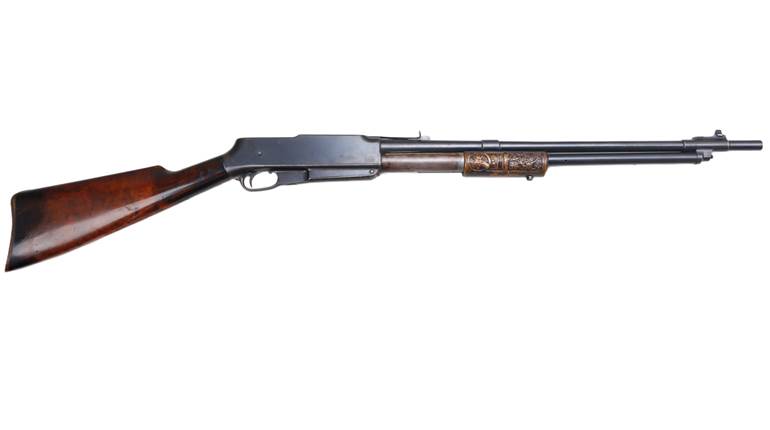
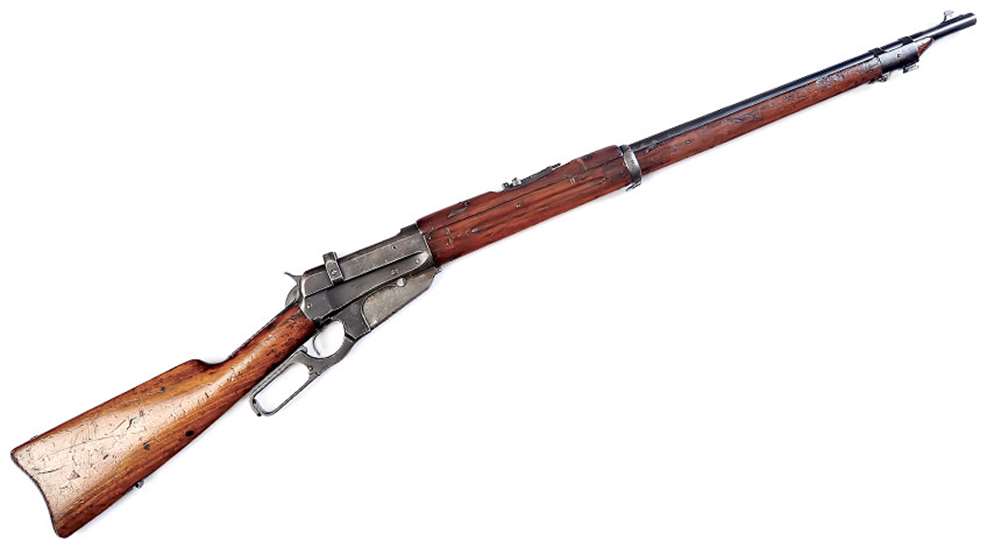
Q: The April 2013 issue had a column about the Winchester Model 1895 Russian Musket. What makes it a musket? Does it have a smooth bore or is the designation just a misnomer? What were the perceived advantages of these guns as infantry longarms? Can you please help explain the “rifle musket” verbiage?


A: Your question concerning what constitutes a modern “musket” is a good one. Of course, originally a musket was a smoothbore, muzzleloading arm generally of larger caliber, and it was longer than a carbine. With the introduction of the rifle-musket, the designation “musket” began to evolve. Rifle-muskets were muzzleloaders with musket-length rifled barrels. At that time, rifles had shorter barrels and were usually given to specialized troops.

In the cartridge era, musket typically means that a rifle is longer than the usual incarnation of a specific arm and has a stock extending out very close to the muzzle. Originally a military term, it is also used for some sporting rifles, such as Model 1866, 1894 and 1895 Winchesters.

—Garry James

Latest

Mossberg 990 Magpul shotgun

New for 2026: Mossberg 990 Magpul and 990 SPX Aftershock

Mossberg steps up its 990 game with a new Magpul shotgun and SPX firearm.

New for 2026: Gemtech Nebula 5.7 Direct-Thread Suppressor

Gemtech’s Nebula is a 5.7x28 mm-specific sound suppressor.

I Have This Old Gun: De Lisle Commando Carbine

The De Lisle "Commando Carbine," as it came to be known, provided British special operators with a suppressed firearm that could be used to take out targets without arousing the attention of nearby troops.

Q&A: Same Cartridge, Two Different Primer Types

Q: How do No. 34 large rifle primers from CCI differ from the standard large rifle type?

New for 2026: Stoeger STR-9 Thinline+ Pistol

Stoeger refines its STR-9 Thinline pistol to be even easier to carry.

Finding The Natural Point Of Aim

Nearly every shooter understands the basic principles of marksmanship: position, grip, sight alignment, breathing, trigger control and follow-through.

Interests


Get the best of American Rifleman delivered to your inbox.