Support NRA American Rifleman
DONATE
** When you buy products through the links on our site, we may earn a commission that supports NRA's mission to protect, preserve and defend the Second Amendment. **
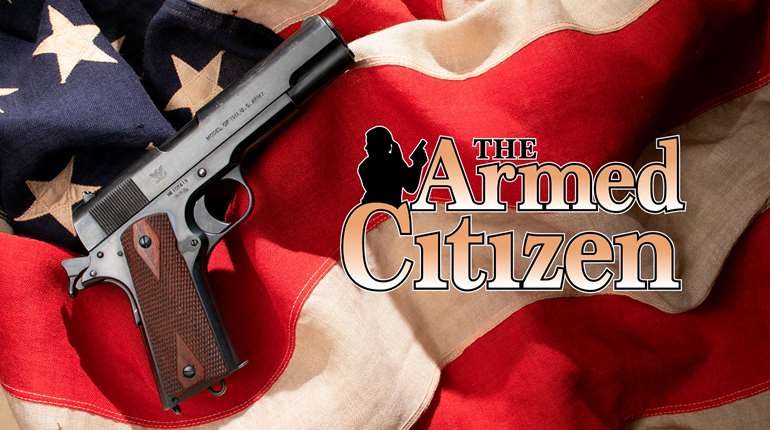
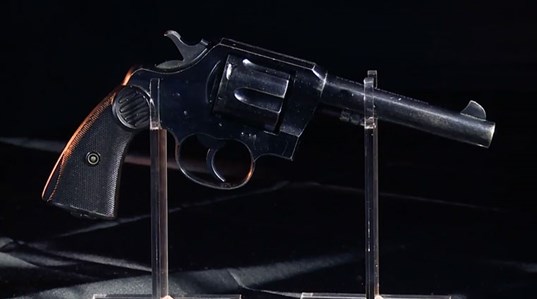
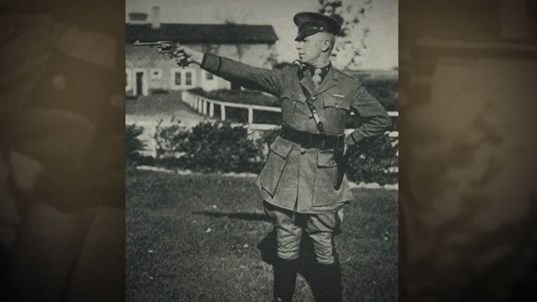
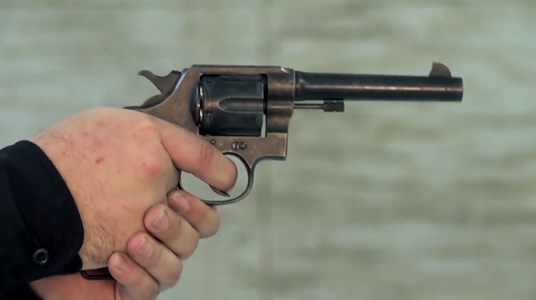
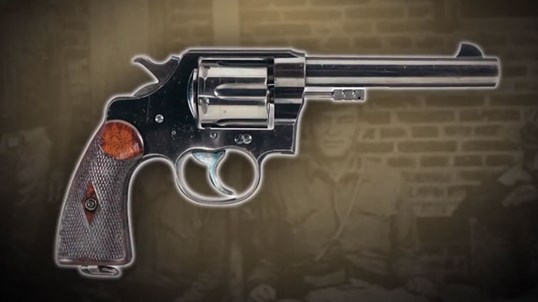
Manufactured from the late 19th century up through World War II, the Colt New Service was a large-frame double-action revolver chambered in 11 different cartridges. The Colt New Service Revolver was intended to replace the Colt 38, as shooters, lawmen, and, especially the Army, wanted something heavier. Colt added a bar of steel between the hammer and the frame in the new revolver—known as the “Colt Positive Lock”—in order to prevent unwanted discharges. In 1909, the Army and Navy adopted the revolver in its original form, and after a small change in the grip profile, the Marine Corps adopted it as well. In total, 356,000 New Service revolvers were made between 1898 and 1943, with the majority having gone to the U.S. military. For more on Colt's New Service Revolver, watch this "I Have This Old Gun" segment from a recent episode of American Rifleman TV.
Additional Reading:
A Look Back: The Colt New Service Revolver
Additional Reading:
A Look Back: The Colt New Service Revolver