There are a number of reasons the NRA’s No. 2—and golden—firearm safety rule is to keep your finger off the trigger until ready to shoot. The human body’s quirks are chief among them, and rather than regurgitate the scientific reasons, here are three exercises that demonstrate how quirky our bodies, minds and hands can be.
I can pretty much guarantee these won’t work on everyone, but I’ll start with the one that still has me scratching my head.
• Close your eyes, raise your right foot about 2 inches and start moving it in clockwise circles. Keep it going, then raise your right arm and draw the number “6” in the air with your index finger. Hmmm, those circles seem to have changed direction, right. It doesn’t have much to do with shooting, but it does demonstrate how movement in one place on the body can impact fine motor skills elsewhere. Do it with your left foot and left hand so you feel better for the rest of the day.
• Close your eyes, and using your index finger, feel your nose, up and down. Now, with the same hand—eyes still closed—cross that finger over middle finger (like you’re crossing your fingers for good luck). Ensure they both touch at the same time, and run that duo up and down your nose until you’re finally convinced it’s really the one affixed to your face. It feels foreign at first, but highlights the potential for cross-limbed confusion, especially in the dark. Apply that principle to the Harries tactical light technique (arms crossed while holding a handgun and tactical light in separate hands), under the stress of a criminal encounter.
• Grab that screwdriver and attack the stingiest, rustiest and toughest screw with one hand at home. Really push hard, twist with everything you’ve got, stop quickly and look at your support hand. The odds are good it’s clenched in a fist, or at least tensed in what law enforcement terms a sympathetic squeeze. Inter-limb interaction is more scientifically accurate, but it can have dire consequences when handling a criminal or working a flashlight while holding a gun, especially under stress. Civilians can encounter the same affect when working a stingy door to the safe room, holding a panicked child from running away, or when they lose their balance and grab a stairway railing to arrest the fall.
• Bonus Exercise: Hold out your support hand with your fingers spread widely apart. Try to curl just your pinky toward your palm, and the odds are good your ring finger is going along for the ride. Hold that hand out again, and instead of trying to move it, just curl that pinky into your palm using the other hand. There’s a lot less movement in the other digits that way, which means the problem’s in our minds, and there’s still hope I’ll quit pushing those shots when I’m not using a magazine extension—assuming I make more time to practice.
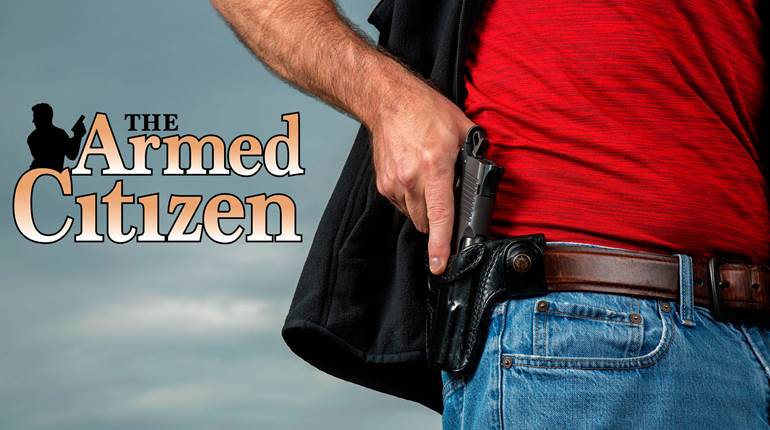
Add our startle reflex, which usually make our fingers squeeze into a tight fist ready to fight when we’re surprised and scared simultaneously, and it’s obvious why firearm safety rule No. 2 is there. Always keep your finger off the trigger until ready to shoot.
Most Popular