1911 Handling

by
posted on January 29, 2014
** When you buy products through the links on our site, we may earn a commission that supports NRA's mission to protect, preserve and defend the Second Amendment. **
wiley-clapp.jpg

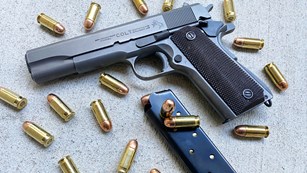
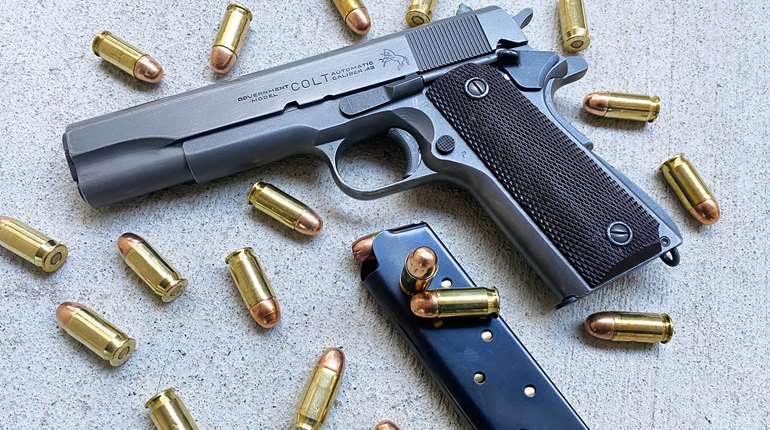
When I first began shooting the 1911 in competition, I was in the Marine Corps of the early 1960s. The game was NRA Outdoor Pistol-slow, timed and rapid-one handed at 50 and 25 yards. The Corps put a lot of emphasis on the sport, with Division and Marine Corps matches conducted to select the team that went to Camp Perry for the Nationals. The season started in the spring and ended after Perry. At the beginning of the Division Matches, we spent several weeks working with a training team from Marksmanship Training Unit. Issued guns were built up before each season by RTE (Rifle Team Equipment) armorers.

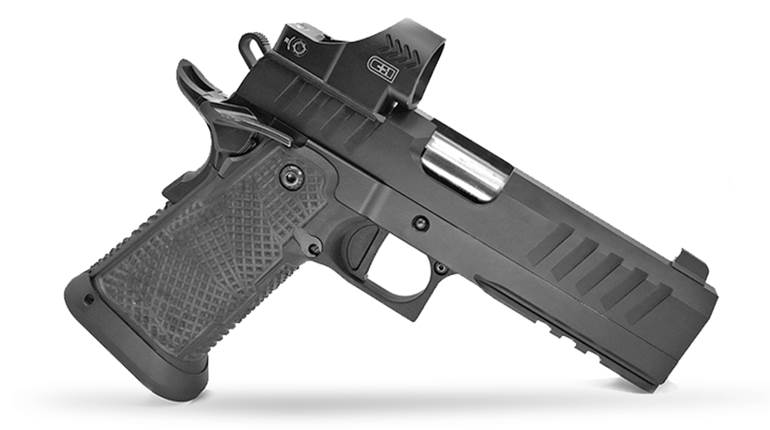
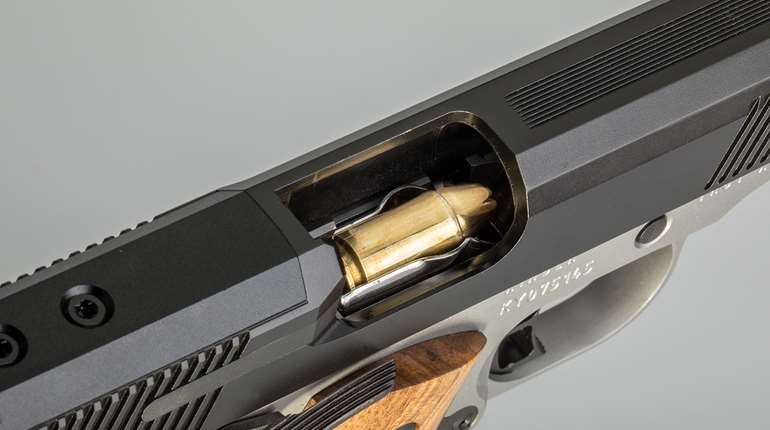
It was in this period of training that I was taught to handle my issued match gun in a particular way. When I mentioned this technique in another training atmosphere recently, nobody had heard of it. For a right-handed shooter I was taught to have the slide locked open and to insert a loaded magazine and fully seat it. Then, with the thumb of the left hand to hold the tip of the hammer down and release the slide lock with the right thumb. This allowed the slide to run forward, chambering a round and leaving the hammer cocked. Thus did you prepare for a string of fire.

The maneuver was said to help the longevity of the trigger job by keeping the nose of the sear out of engagement as the slide slammed violently forward. It is opposite from the combat shooter, who loads his pistol by pulling the slide fully to the rear and releasing it, which insures greater slide travel-as happens when a round is fired-and better functional reliability. I am just wondering whether or not any reader remembers this or has any comment on its value.

Latest

Smith Wesson Model 29 10 Facts 1

10 Things You (Probably) Didn't Know About The Smith & Wesson Model 29

Without a doubt, the Smith & Wesson Model 29 is one of the 20th century’s most shootable, collectible "superstar" revolvers. Here are a few little-known facts about the gun.

Packable Punch: Discreet Ways to Carry More Firepower

While folding and takedown firearms chambered for full-power rifle cartridges may be niche defensive tools, the dark situations in which they shine brightest aren’t going away anytime soon.

Southpaw Solution: Ruger Introduces Left-Handed American Gen II Ranch Rifles

Traditionally, Ruger has offered a range of left-handed rifle models for the southpaws among us, and now, the company's Gen II American rifles are available in a left-handed variant, starting with the Ranch models.

Gun of the Week: Kimber 1911 DS Warrior LW

In 2026, Kimber developed its 1911 DS Warrior, an American-made, double-stack design that is intended to be an affordable entry point into Kimber's double-stack handgun line.

The Armed Citizen® April 24, 2026

Read today's "The Armed Citizen" entry for real stories of law-abiding citizens, past and present, who used their firearms to save lives.

Spin Difference: The Impact of Barrel Twist Rates on Terminal Performance

When most shooters think of rifling-twist rates, they mostly think of rifles with their high BC projectiles, but the rpm of a bullet also plays a part in terminal performance.

Interests


Get the best of American Rifleman delivered to your inbox.