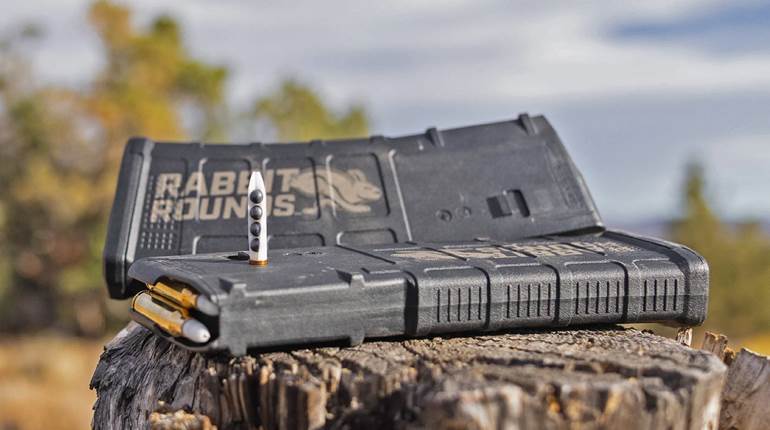
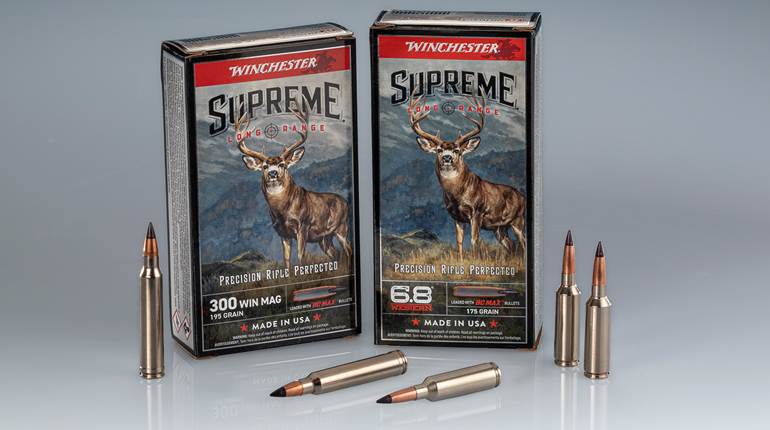
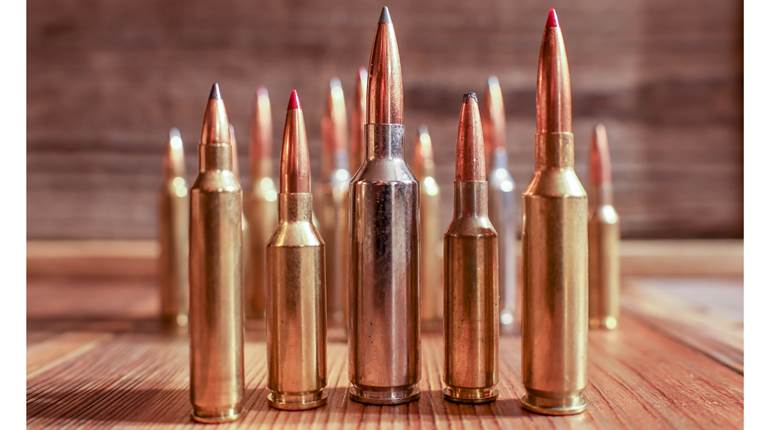
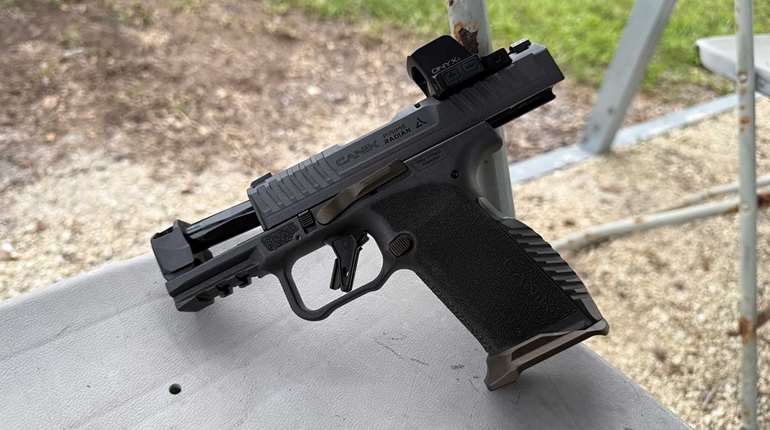
Today, the United States is facing a shortage of ammunition. Tariffs, foreign restrictions and international tensions are laying siege to our ammunition stores. Large plants such as Lake City are manufacturing ammo for the military, but ordinary citizens could be left out in the cold if ammo manufacturing doesn’t keep up with increasing demand. But this situation is nothing new, and a similar sort of circumstance faced our Founding Fathers at the beginning of the American Revolution.
During the first two to three years following the opening salvos of the American Revolution, Washington’s army was faced with a scant stock of gunpowder. Up until the war, most colonists spent their days in agricultural pursuits; producing munitions on a large scale was not even in the picture. In 1775, the little gunpowder available was stored in a number of powder magazines throughout the colonies. Much of that powder had been sitting in the colonies’ stores since the French and Indian War that ended in 1763. The potency of that powder hinged on a number of factors, especially humidity that could cause dampness and temperature, and the longer such powder was stored, the more likely it was that it lacked the potency to be an effective propellant.
In the early spring of 1775, Gen. Artemas Ward, commander of the Massachusetts militia troops, had ascertained that the amount of the powder available to his men was in woefully short supply. This induced the colony’s Committee of Safety to press each community for gunpowder. For a short period, powder was making its way to the troops, but just four months later, the supply waned again, so much so that Gen. George Washington could only distribute a half-pound measure for each of his troops. In hopes of alleviating this dismal situation, the governments of each colony were pressed for more gunpowder, which was delivered without delay, but not in the amounts needed. Had the British discovered how ill-prepared the colonies were, the war may have been over before it really began.
This powder shortage had it roots going back decades. From the 1750s, a flourishing commerce was carried on between Great Britain and the American colonies. Gunpowder was imported from England, as it was more cost-effective for it to be produced there, and the quality of British powder was greater than that produced in the colonies. This resulted in the colonists allowing their powder mills to stand fallow, as it was more expedient and cheaper to buy from Britain. Additionally, the arms and ammunition trade between Britain and its American colonies was regulated by the Navigation Acts, as well as various laws that were put in place discouraging the making of powder in the colonies.
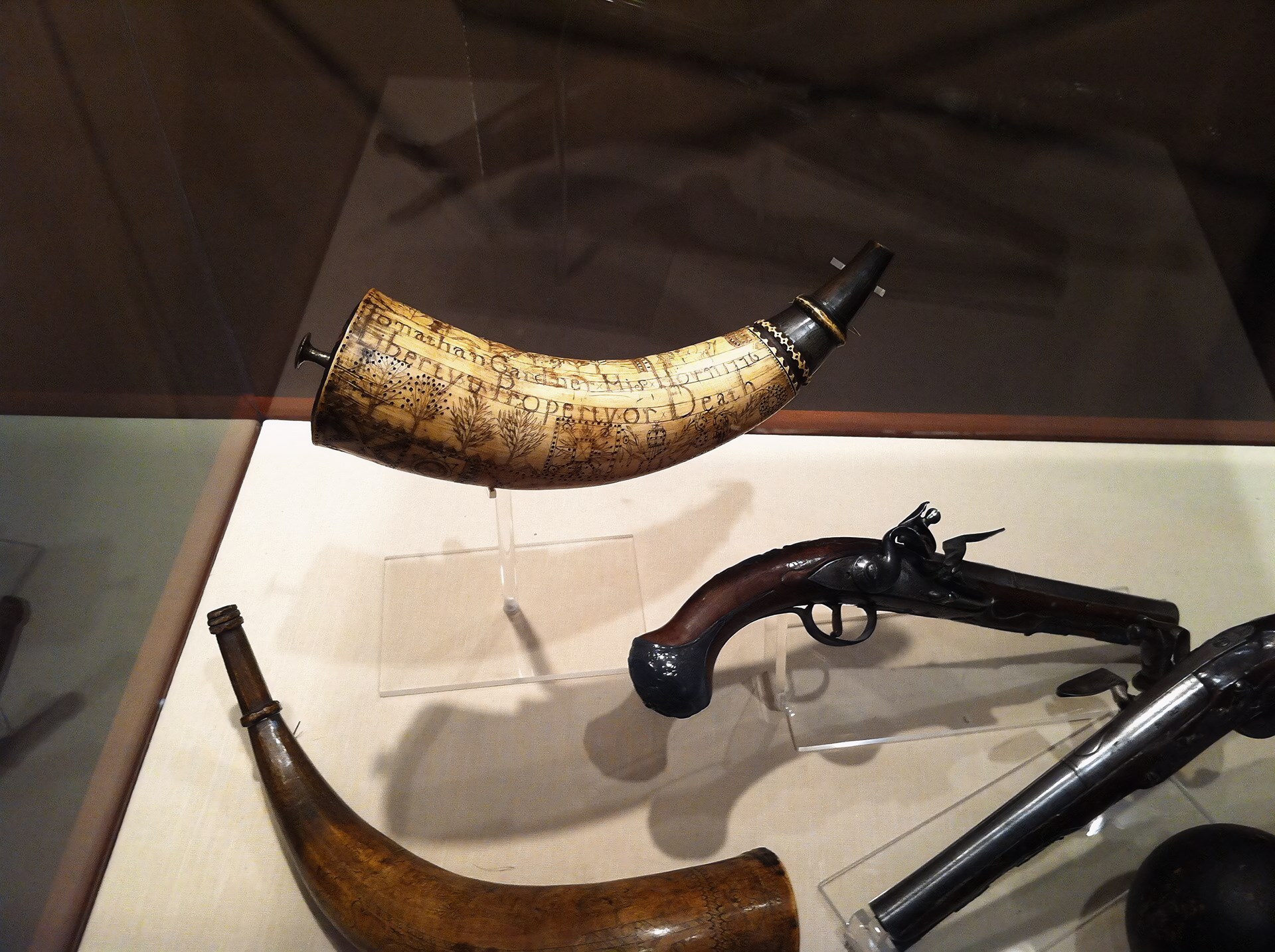
When the American Revolution burst upon the horizon, America could only count on the powder that was imported from Britain earlier, as well as the small amount garnered from the stores of each of the colonies. These two sources totaled a middling amount at best. One of the early plans of the Second Continental Congress, the early American government, was to set up an ample number of mills to become self-sufficient in sourcing its own gunpowder. This was a two-fold plan. The other part relied on procuring ancillary supplies of powder from Europe. This was a precarious situation, as it necessitated trading American goods, which required bending the regulations under the 1774 Association agreement that prohibited the trade of American goods in Europe in order to increase political pressure on Great Britain. But once the American Revolution began, there was no turning back, as gunpowder was of the highest priority.
On Sept. 19, 1775, a clandestine committee was created to contract for gunpowder from the European continent, in quantities not to go above 500 tons. Also, saltpeter and sulfur could be imported to complement a portion of the 500 tons. These numbers would climb as the war wore on.
At the opening of the American Revolution, there was but one American gunpowder mill in operation: Pennsylvania’s Frankford Mill. This mill was producing a limited amount amount of powder but nowhere near what was needed to defeat the British Lion. On top of that, the quality of the powder needed for artillery use was deficient. To rectify this situation, the American colonies needed to boost production.
In the early months of 1776, the Continental Congress commissioned the Continental Powder Works to be constructed at French Creek in East Pikeland Township, Chester County, Pennsylvania. It was projected that this mill would turn out the powder that was crucial to supply the Continental Army for the duration of the conflict. The mill was expected to yield eight tons of powder each month. On the site was a barracks to house the local militia safeguarding the multifaceted complex. But in September 1777, British troops torched the entire facility.

In desperation, the new American nation turned towards France for powder, but there were problems. By 1774, France’s manufacture of gunpowder had fallen to a new low, partly due to the use of substandard saltpeter imported from India, then under growing British influence. But help was on the horizon, with the appointment of Antoine Lavoisier to chair France’s Gunpowder Commission. It’s fortunate that his scientific knowledge enabled France to achieve its highest level of manufacture of gunpowder and saltpeter. The result was that, beginning in 1776, America could count on French supplies of gunpowder, a fact that held true through the duration of the conflict. Without assistance from France, American troops would have lacked the gunpowder to fight the war.
Gunpowder at the time of the American Revolution was a concoction of sulfur, charcoal, and potassium nitrate, creating what we refer to as black powder today. These items must be blended in precise proportions. This was not always successful, as in 1775, the knowledge of chemistry was unsophisticated. Potassium nitrate was made up of nitrogen and potassium, but these two elements were not known in 1775. But what was known at the time was that “nitre” was required in the making of gunpowder. In some formulas, soil was soaked in both animal and human urine; once dried, the urine-soil was brought to a boiling point to yield saltpeter. Regrettably, it required six months or better to produce nitre-bearing soil. This certainly caused a time-consuming impasse in the making of gunpowder.
As a result of these issues, powder was never in surplus supply during the Revolution, and it was always needed. Both Washington and Congress were not shy about where to obtain it. Both had designs on the British supply of powder located on the island of Bermuda. Each party commenced actions to confiscate the powder without either party knowing of the others’ intentions—grab the powder. Governor Bruere of Bermuda put pen to paper in re-counting the maraud plotted by Congress to empty the British powder cache as follows:
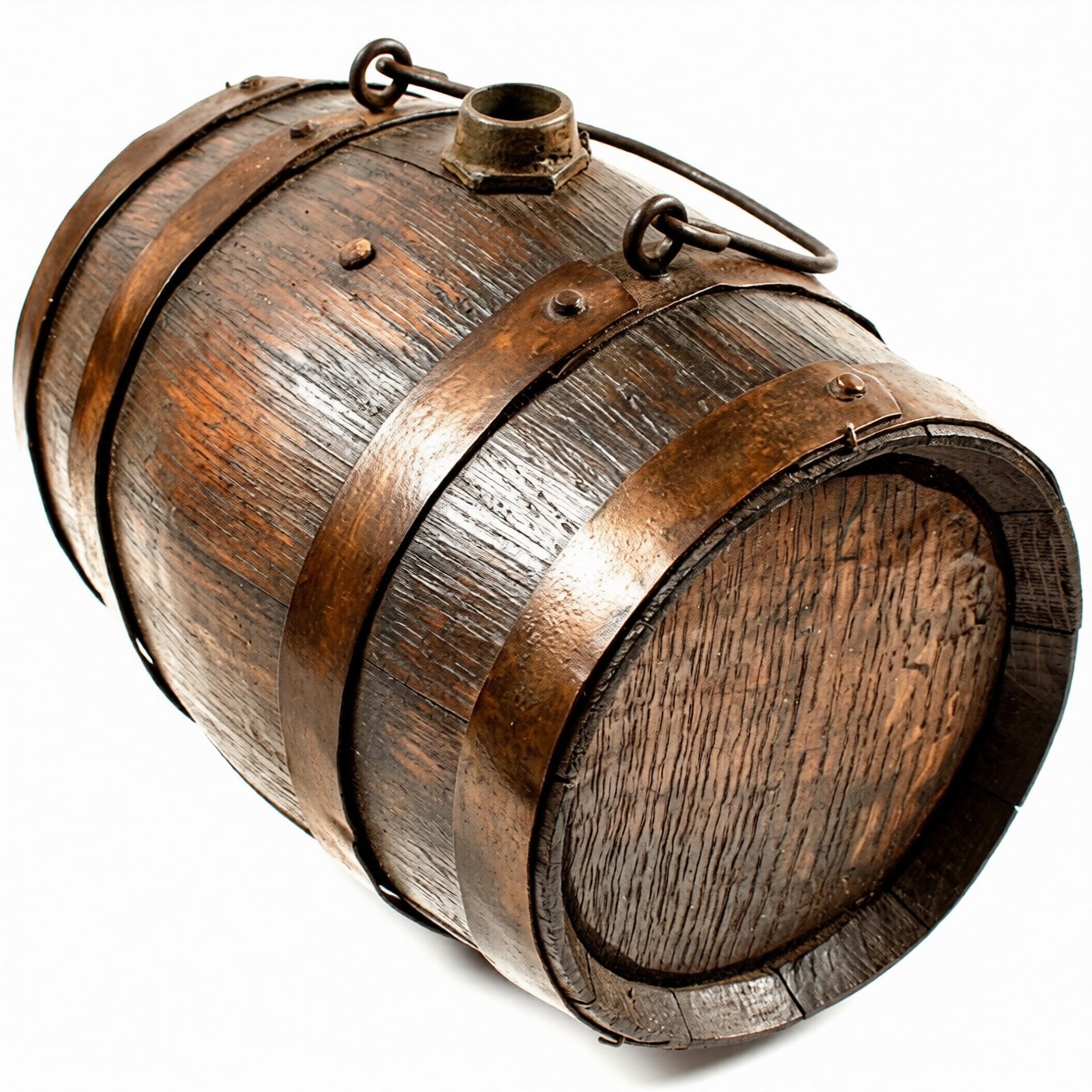
“I had less suspicion than before, that such a daring and Violent attempt would be made on the Powder Magazine, which in the dead of night of the 14th of August was broke into on Top, just to let a man down, and the Doors most Audaciously and daringly forced open, at the great risk of their being blown up; they could not force the Powder Room Door, without getting into the inside on Top. They Stole and Carried off about one Hundred Barrels of Gun powder, and as they left about ten or twelve Barrels, it may be Supposed that those Barrels left, would not bare remooving. It must have taken a Considerable number of People; and we may Suppose some Negroes, to assist as well as White Persons of consequence…”
Americans were holding a trump card, and that was that a number of European nations were only too happy to aid in destabilizing Great Britain. And supporting the Americans was seen a means in achieving this. During the course of the Revolutionary War, and until the British carried on an assault on St. Eustatia and captured the island in 1781, the Dutch were in high spirits trading with American vessels. Before the French began supplying covert aid to the American colonies, resourceful French brokers were already transporting large sums of not only gunpowder, but weapons as well, via the West Indies. This was carried out in spite of several international agreements prohibiting such acts.
While the foreign supply of gunpowder did a great deal to aid in the American cause during the revolution, it resulted in some unintended consequences. Early in the revolution, Pennsylvania was blessed with the only functioning powder mill in the colonies. But this potential promise diminished as the war lagged, and the manufacture of powder waned. Inflation, brought on by the constant printing of money to pay the Continental Army's suppliers, the dearth of quality saltpeter and sulphur, along with the British forays that destroyed mills and the dependance on foreign shipments, stalled the creation of Pennsylvania mills and other domestic sources of powder.
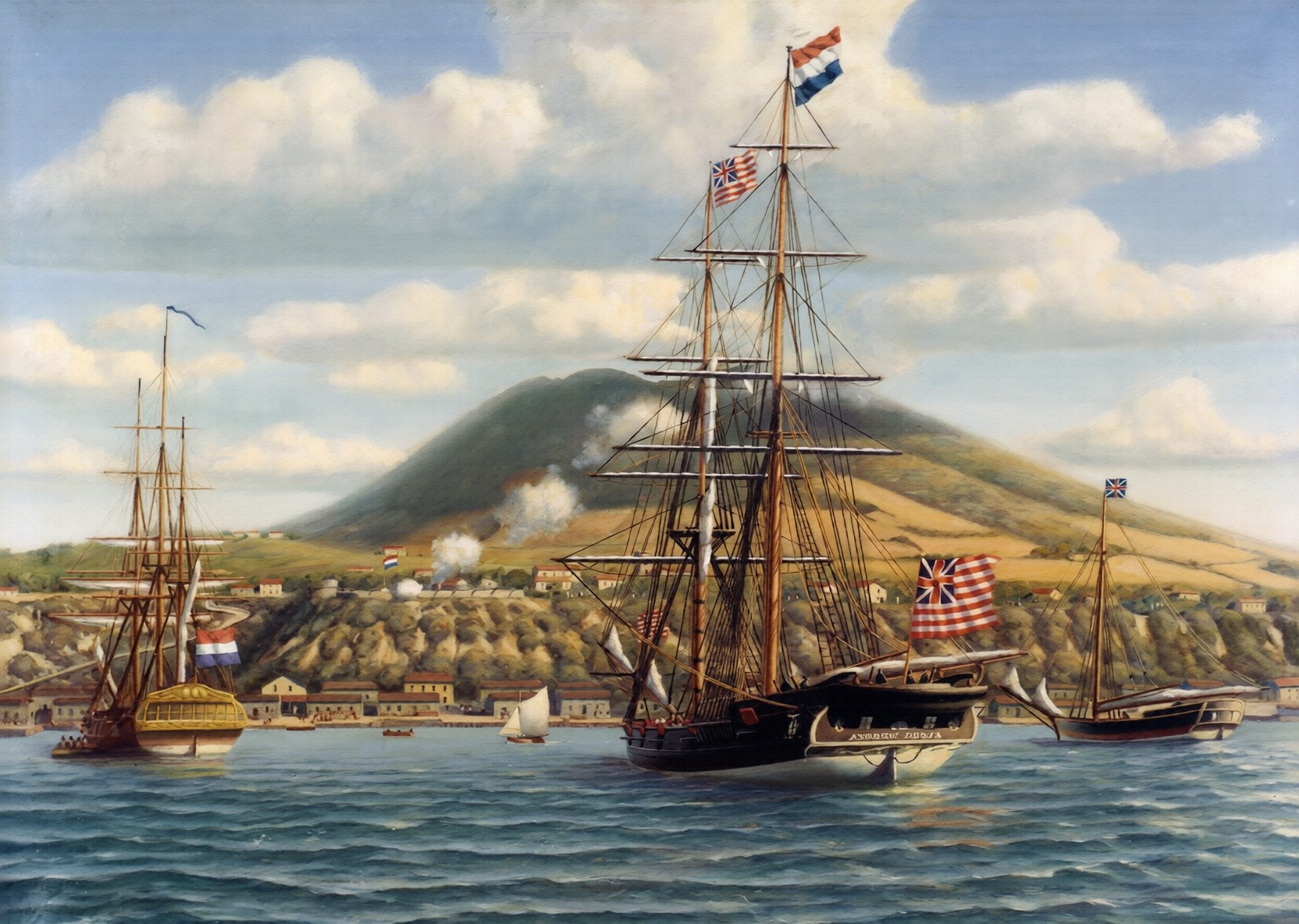
Many colonies manufactured small amounts of powder, but in Virginia, it was fortuitous that ships carrying weapons and gunpowder, faced no encumbrances as they plied the waters of the state's rivers. In the Virginia Gazette’s March 21, 1777 issue, it was reported that a brig carrying a cargo of 30,000 pounds of gunpowder from St. Eustacia, and a ship hailing from Curacao, navigated the waters of the James River. Another ship left from Guadeloupe and plied the York River. And another two single-masted sailing vessels, one from St. Eustacia and the other from Curacao, sailed the Rappahannock, all loaded with powder, and these sources provided the fuel that kept the Continental Army fighting.
Without ammunition, America could never have removed itself from the dominion of the British Lion. Without the aid of foreign nations, such as France and the Netherlands, it is not likely that domestic sources of gunpowder would have been enough to power the American cause. The difference between 1776 and today is that we want to replace our dependence on the powder imported from other nations and rely on our own manufacturing to fill the void.
The Second Amendment becomes impotent without the powder and lead to support it. In 1776, without powder and shot, the minutemen could only use their muskets as clubs. How far could that have taken us? Certainly not to our nation's 250th celebration this July. Keep your powder dry. And keep plenty of it.
Most Popular