by
Support NRA American Rifleman
DONATE
** When you buy products through the links on our site, we may earn a commission that supports NRA's mission to protect, preserve and defend the Second Amendment. **
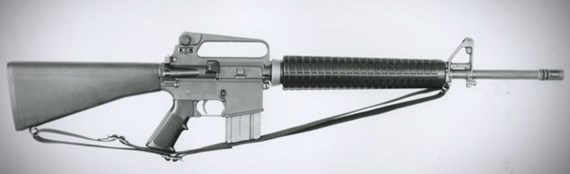
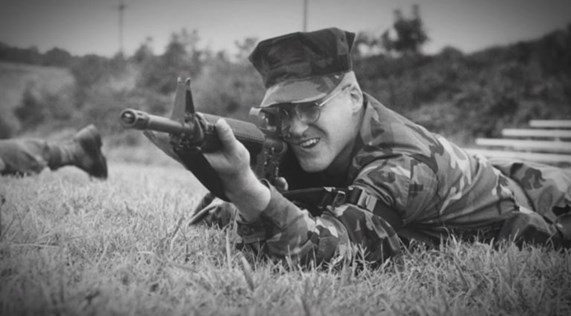
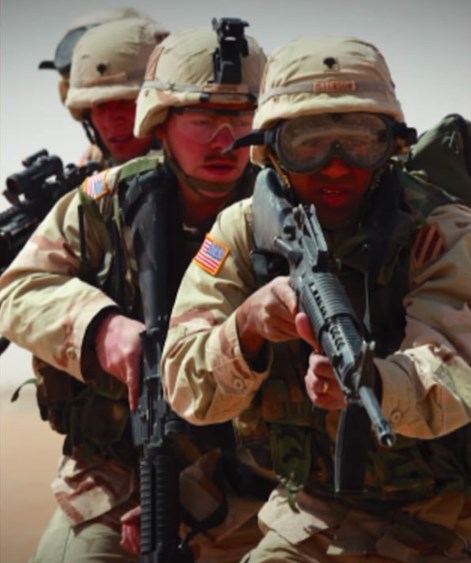
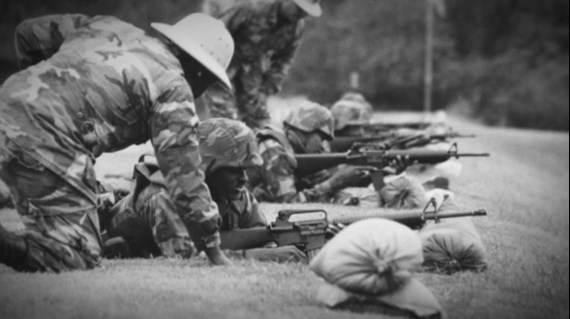
After the Vietnam War, the M16A2 rifle was developed by Colt Industries in response to a number of improvements to the M16A1 suggested by the U.S. Marine Corps. In November 1983, the USMC adopted this new version chambered for the 5.56x45 mm NATO round. The rifle differed significantly from its predecessor with changes such as improved rear sights, a brass deflector, a heavier barrel and 1:9" rifling. Additionally, the M16A2 replaced the M16A1’s “AUTO” selector setting with a “BURST” setting, delivering three rounds with every trigger pull. The M16A2 has the longest service life of any American military shoulder arm and continues to serve to this day. Due to federal firearms laws, the M16A2 is not available to civilians. However, civilians can own a similar version by mounting an M16A2 upper on a lower receiver. For more on the U.S. M16A2 Rifle, watch this "I Have This Old Gun" segment from a recent episode of American Rifleman TV.

Additional Reading:
U.S. M16: A Half-Century of America’s Combat Rifle
Additional Reading:
U.S. M16: A Half-Century of America’s Combat Rifle