by
Support NRA American Rifleman
DONATE
** When you buy products through the links on our site, we may earn a commission that supports NRA's mission to protect, preserve and defend the Second Amendment. **
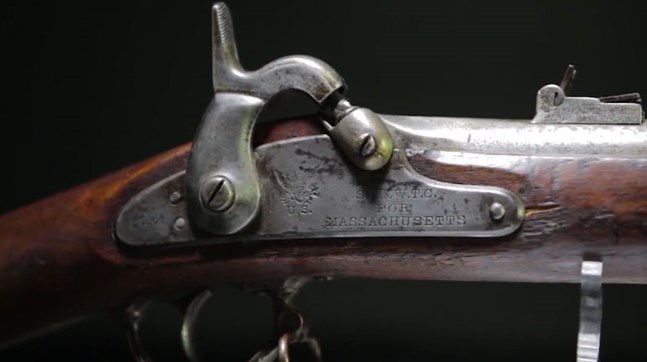
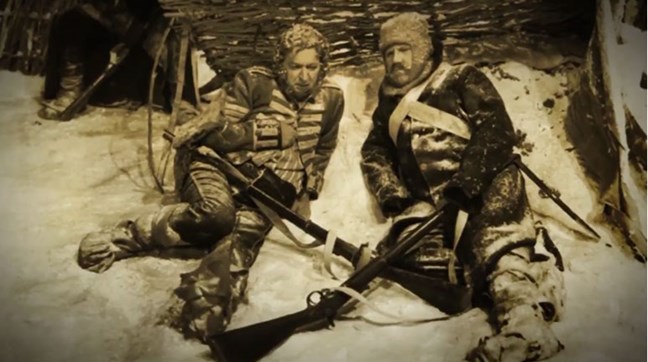
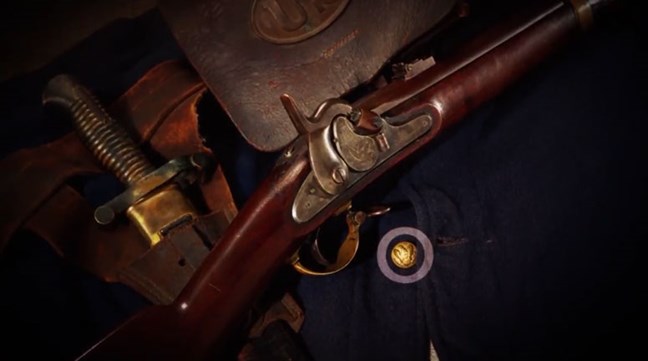
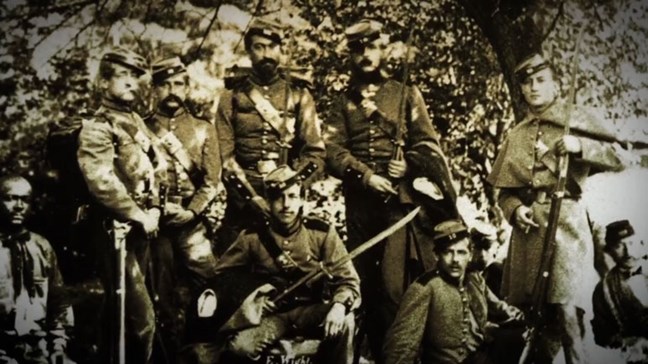
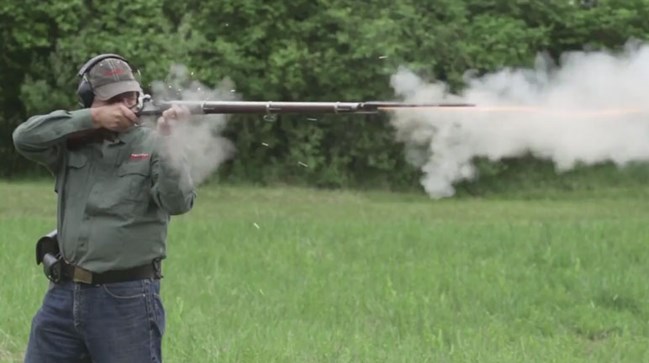
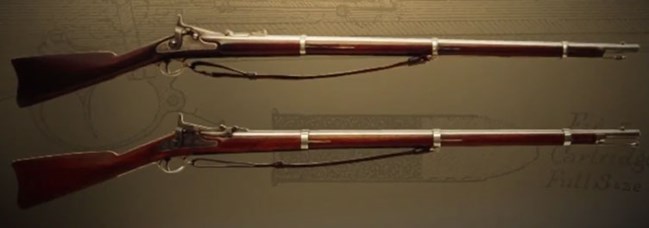
The Model 1863 Springfield Rifle Musket has its beginnings in the Crimean War when the Pattern 1853 Enfield Rifle Musket was the world's premier infantry weapon. Concurrently, the U.S. government was creating its rifle musket the Model 1855 and then later the Model 1861. Shortly after, the Model 1863 was developed as a more expedient version of the Model 1861 and was being made during the Civil War. It was the last percussion muzzle-loading firearm made by the Springfield Armory. However, it continued its service because it could be converted to a metallic cartridge by installing a trap-door type of conversion. And even though production of the Model 1863 ended in 1865, it is still made today in the form of Italian replicas. For more on the Model 1863 Springfield rifle musket, watch this "I Have This Old Gun" segment from a recent episode of American Rifleman TV.