** When you buy products through the links on our site, we may earn a commission that supports NRA's mission to protect, preserve and defend the Second Amendment. **
Gallery
Most Popular



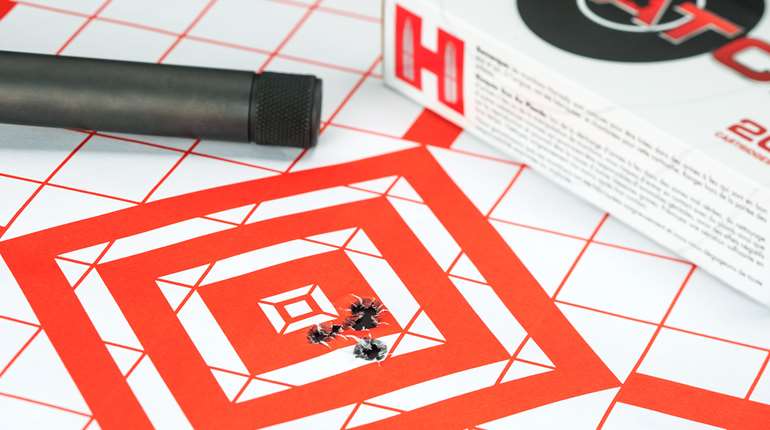
No matter what firearm you're using for whatever purpose, even if it's simply a trip to the range, always resist the temptation to accept “good enough” if there is the possibility of better performance.
Since January 2025, the Crime Prevention Research Center has documented 16 defensive gun uses in which police say armed citizens stopped mass public killings.


Federal and Mossberg are working with Palladyne AI in the creation of SwarmShot, a kinetic defense system that employs swarms of armed drones to shield troops from unmanned aircraft system threats.


Defensive gun use is defined by uncertainty. You don’t know when it will happen, how far away the threat will be, how many threats you will face or what position you will be in when it begins.


In 2025, Turkish manufacturer Derya Arms opened a new facility in Florida, enabling the company to produce a number of new products domestically, such as its new OBone suppressor.

Read today's "The Armed Citizen" entry for real stories of law-abiding citizens, past and present, who used their firearms to save lives.