In doing some research for the “From the Editor” for the September issue, I spent some time looking at William Batterman Ruger’s first contribution to American Rifleman, and no it wasn’t his “.22 Ruger Pistol” that made its debut in a September 1949 advertisement, nor was it Technical Editor Julian S. Hatcher’s extremely favorable review of “two production-line samples of the .22 Ruger” that ran in November 1949.
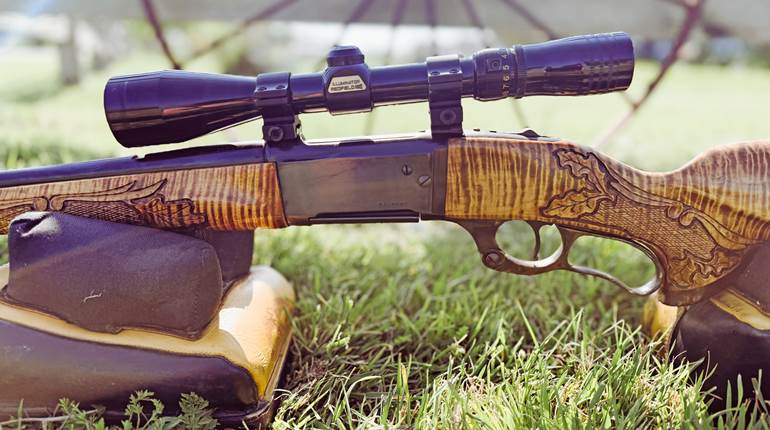
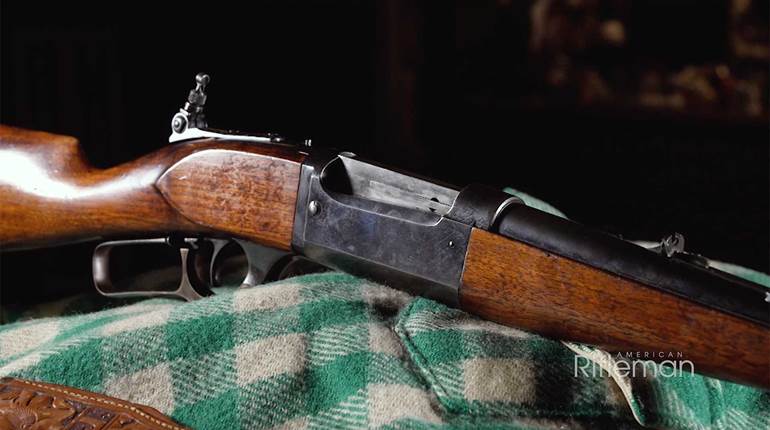
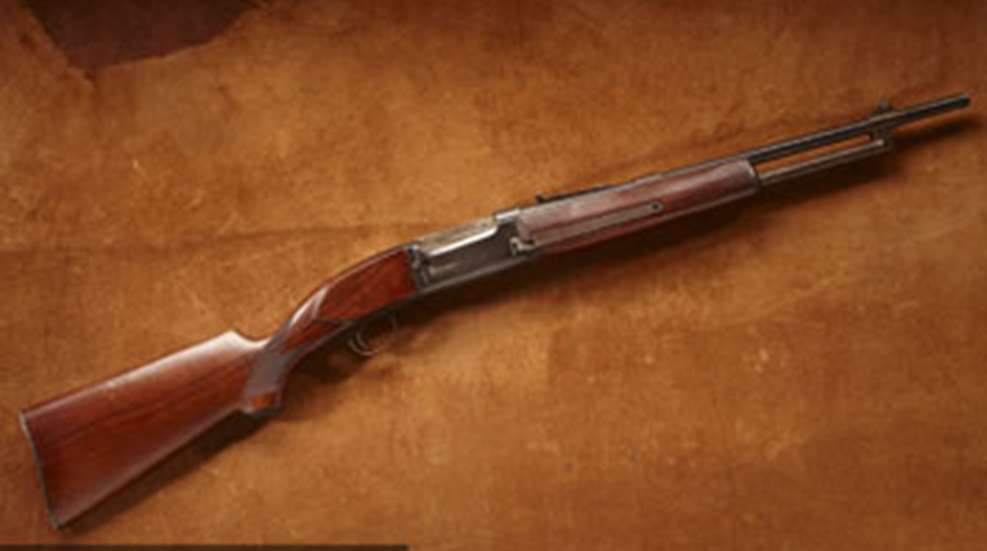
No, the first Ruger in the magazine was an article written by the young inventor in December 1943, at a time when he was working on a machine gun design for the U.S. Ordnance Dept. Titled “Semi-Automatic .250-3000,” Ruger detailed the conversion of a Savage Model 99 from a lever-action to a gas-operated semi-automatic, noting “This conversion can be accomplished with only superficial changes in a few of the parts.” Even in this first gun, aesthetics mattered to the young inventor: “The rotary type magazine has adequate capacity and does not require projections on the exterior of the gun.” Of course, some of those features would be seen in Ruger’s later designs, especially a flush-fitting rotary magazine.
Prophetically, Ruger closed the description of the conversion with the following: “I believe after this war there will be a great upsurge in the popularity of self-loaders for sporting purpose, just as there was a great increase in the popularity of bolt-action guns after the last war. If such a trend does come, this trim little self-loader, if it were made commercially available, should be right in step with prevailing fashions in firearms.” He later set the trend in that fashion in 1961 with the introduction of the Model 44 Standard Carbine in .44 Mag., followed, of course, by the 10/22 in 1964.
The rifle, the first Ruger, was donated to NRA’s National Firearms Museum by Bill Atkinson, one of Ruger’s oldest friends dating back to the “red barn” days, after William B. Ruger, Sr., died in 2002. Atkinson was allowed to select one gun from Ruger’s personal collection, and he chose the .250-3000 and immediately donated it the National Firearms Museum. This was the design that gained the young Bill Ruger employ as an arms designer, and it put him on the road to becoming a household name in firearms. And you can see it for yourself the next time you are in Fairfax, Va.
Most Popular