“Dreaded Dry Fire” is the training conversation most shooters would rather avoid. Mention it at the range, and you can watch enthusiasm drain out in real time. Eyes drift away. Someone changes the subject to ammo or the latest gear review they watched online. Almost anything sounds more appealing than the disciplined, repetitive work of dry practice.
The uncomfortable truth is impossible to ignore. Talk to the best shooters in the world—Grand Masters, national champions, professional instructors—and you will hear the same story: the majority of their skill development did not happen on the range with ammunition. It happened in living rooms, garages, basements and hotel rooms.
The first time a developing shooter hears that, it usually lands like a cold mackerel of reality across the face. Most people assume improvement lives in live fire. The recoil and immediate feedback feel like “real training.” Dry fire, by comparison, feels sterile and joyless. There is no recoil, no holes appearing in targets, no satisfying confirmation that a round went where it was supposed to go.
The reason elite shooters rely so heavily on dry fire has nothing to do with how good it feels. It has everything to do with developing efficiency and control. Dry fire builds skill. Live fire tests that skill.
From a purely diagnostic perspective, recoil makes it more challenging to see exactly what the shooter did during the trigger press or presentation. The slightest change in grip pressure can be masked by recoil. A rushed trigger press may still produce a decent hit simply because the gun went off during a moment of acceptable alignment. The shooter walks away believing the mechanics were solid when they were barely adequate. Dry fire removes that camouflage completely.
Without recoil, flaws become visible. If the sights dip during the trigger press, you see it immediately. If grip pressure changes, or the sights land inconsistently in your field of vision or wobble unacceptably, nothing is masked. Every movement of the gun is unobstructed feedback.
That honesty is exactly why high-level shooters embrace dry practice. It allows them to engineer mechanics at a level of precision that live fire alone simply cannot provide.
What’s actually being built is a neuromuscular pathway—a refined communication loop between the brain and the hands. Each clean repetition strengthens that pathway. Each sloppy repetition damages it.
There is a brutal rule that experienced shooters understand quickly. If the sights move during dry fire, they will move more during live fire. Dry fire reveals mechanical and visual discipline problems early while they are still manageable.
Another advantage of dry practice is skill isolation. Most shooters spend their range time running entire drills from beginning to end. They draw, fire multiple shots, reload, transition to another target and repeat the sequence again. The problem with that approach is that multiple skills are executed simultaneously, so if a single wheel starts to wobble, it is not noticed until it falls off completely.
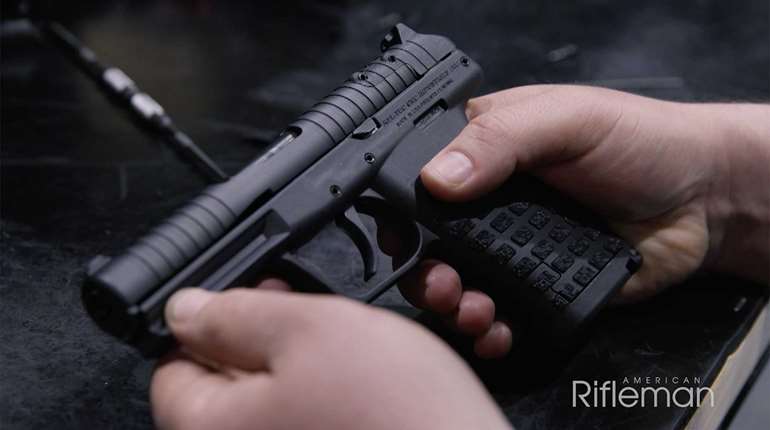
Dry fire allows skills to be fully isolated. The draw stroke and its constituent parts can be practiced by themselves. The trigger press can be isolated and refined. Reload mechanics can be broken apart and rebuilt until they contain no wasted movement. Transitions between targets can be rehearsed without the distraction of recoil or muzzle blast.
Elite shooters spend a surprising amount of time working on single isolated elements this way. They don’t try to fix everything at once. They focus on one component until it becomes reliable. Locate, isolate and eliminate one problem at a time before plugging it back into the full skill set.
Another uncomfortable reality about dry fire is that it requires discipline. There’s no range fee, no spectators and no adrenaline. No one is impressed by a shooter standing in their living room pressing to a click. The work is deliberate and repetitive. That makes it easy to avoid.
Shooters who make real progress solve that problem by engineering dry fire into their environment. They make it convenient. Targets are already mounted. The pistol is staged safely in the same location every day. A timer or par-time app is ready to go. The entire setup takes seconds to start. Convenience matters. If dry fire requires effort to begin, it won’t survive the demands of daily life.
Another mistake some shooters make is allowing dry fire to become mindless. Repetition without mental engagement is wasted time. The best shooters avoid that trap by giving themselves challenging but attainable objectives. They might set a goal of 10 perfect trigger presses with zero sight movement. Or clean draw presentations under a specific par time. Or transitions between reduced targets that demand extreme visual discipline.
The moment dry fire becomes casual, learning stops. Challenge keeps the brain engaged.
Interestingly, the most productive dry-fire sessions are usually short. Ten or fifteen minutes of focused work is far more effective than an hour of distracted repetition. Mental sharpness matters more than duration. When concentration fades and mechanics start to degrade, experienced shooters stop the session. They end while the work is still clean.
Consistency over time is what produces results. A few minutes of deliberate dry practice several times a week can generate thousands of high-quality repetitions in a single month. That volume of clean input quietly reshapes performance. The effects show up later when live fire confirms the value of your efforts.
The shooter who has invested in disciplined dry practice often experiences a surprising moment the next time they step onto the range. Stability builds faster. The trigger breaks cleaner. Sight alignment and realignment become more predictable. What once required intense concentration starts to push into the subconscious.
When pressure shows up—whether that pressure is competition, time constraints, or real-world stakes—dry fire underpins performance.
The irony of dry fire is that it looks unimpressive from the outside. There are no dramatic muzzle flashes and no applause from spectators. But behind the scenes, it is one of the most powerful skill-building tools available to a shooter.
Shooters who plateau often enjoy building brass piles. Those who embrace the unglamorous work understand that the fastest path forward happens in silence, with an empty gun, doing the kind of disciplined repetitions most people would rather avoid.
Most Popular