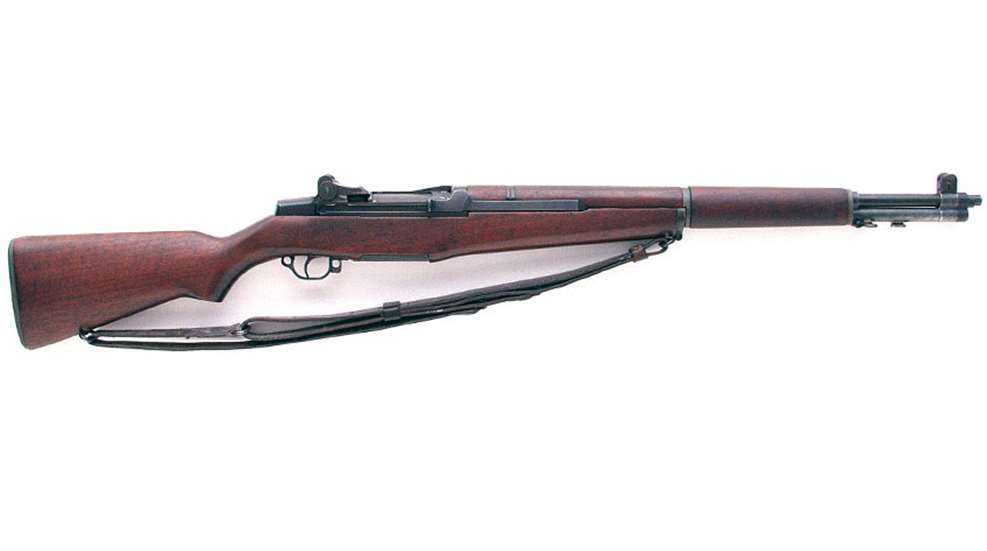
Winchester M1 Garand
Q: In the Bruce Canfield article “‘On Guard For America’: Wartime Winchesters” (August 2019, p. 46), I was struck by the reference to Winchester-made Garand rifles, of which there were more than a half-million. From the production numbers listed, Winchester-made Garands seem unlikely to be “rare birds,” which brings me to the following question: Looking through the Civilian Marksmanship Program online price list, I noted the price of Winchester Garands in excess of $3,000, if I read it correctly. Prices quoted did not seem to be for match-grade rifles, which leaves me curious as to the reason for the seemingly unusually high prices.
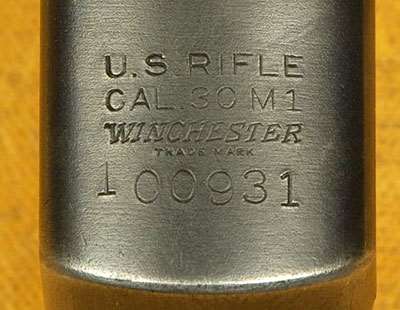
A: The primary reason for the seemingly inflated prices for Winchester M1 rifles is the “mystique” of the Winchester name in the minds of many collectors. As you correctly noted, with 500,000 M1 rifles manufactured by Winchester, the guns are not particularly rare, although they are certainly much less common than the Springfield-made Garands. In order to bring the $3,000-plus prices you noted, a rifle would have to be in the same configuration as manufactured in (or before) World War II, including the correct Winchester-made stock, barrel, operating rod, front sights, etc. Since the vast majority of M1 rifles were subsequently rebuilt in the postwar period, rifles remaining in their original World War II configuration are quite uncommon, and will fetch surprisingly high prices.
Some collectors attempt to “restore” a rebuilt Winchester M1 rifle to the correct World War II specs, but the extreme scarcity of many WRA parts—especially stocks with the proper markings and barrels—makes this a very difficult endeavor. Unfortunately, fake parts are becoming more and more common, and it behooves a collector to be cognizant of the differences between the fake and genuine parts. Regarding M1 rifles modified for match competition, while such rifles are desirable for competitive shooting, they will typically bring much less on the collector market than comparable examples remaining in original “G.I.” configuration. An exception would be the genuine National Match M1 rifles fabricated by Springfield Armory, as opposed to standard rifles “tuned up” for match competition.
--Bruce Canfield
Most Popular