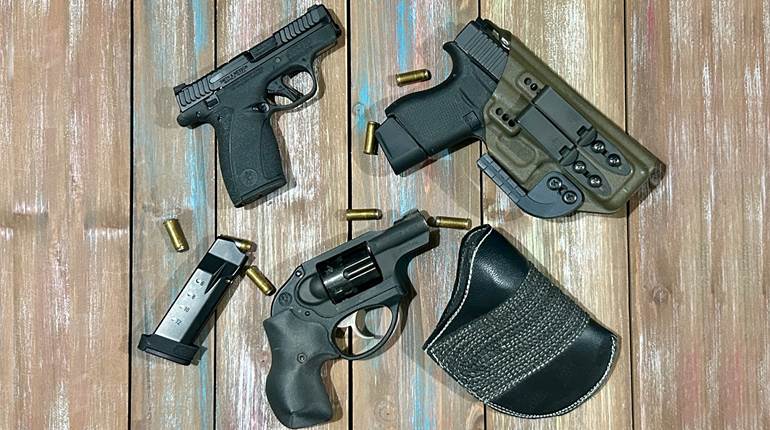
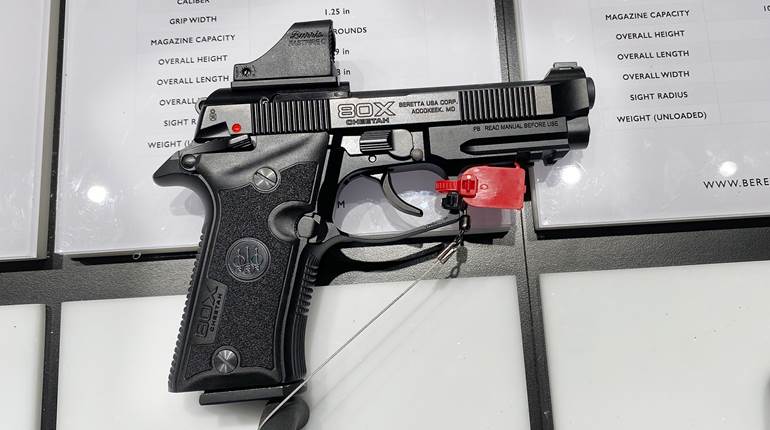
We recently posted a conversation about the sleeper surplus market composed primarily of LE trade-in handguns, rifles and shotguns. The pistols mentioned were fairly common duty-size models familiar to the American marketplace, including options from Beretta, Glock and Smith & Wesson. But, police and military service pistols from overseas are still cropping up in the surplus arena from time to time. Due to their age, caliber or less familiar manufacturers, they can be found in top-notch condition at comfortably low prices.
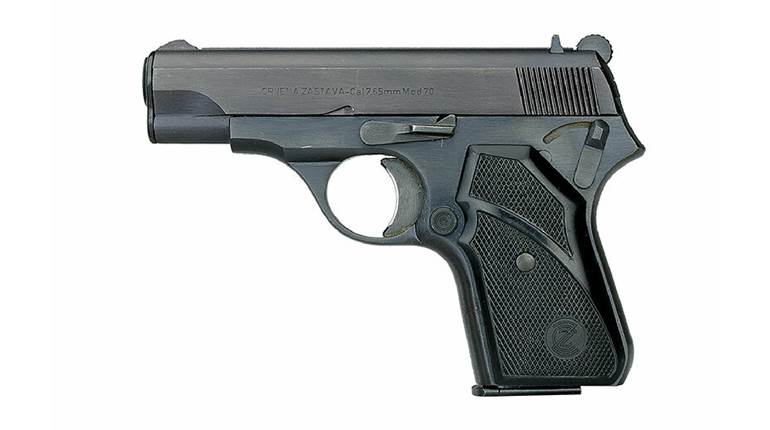
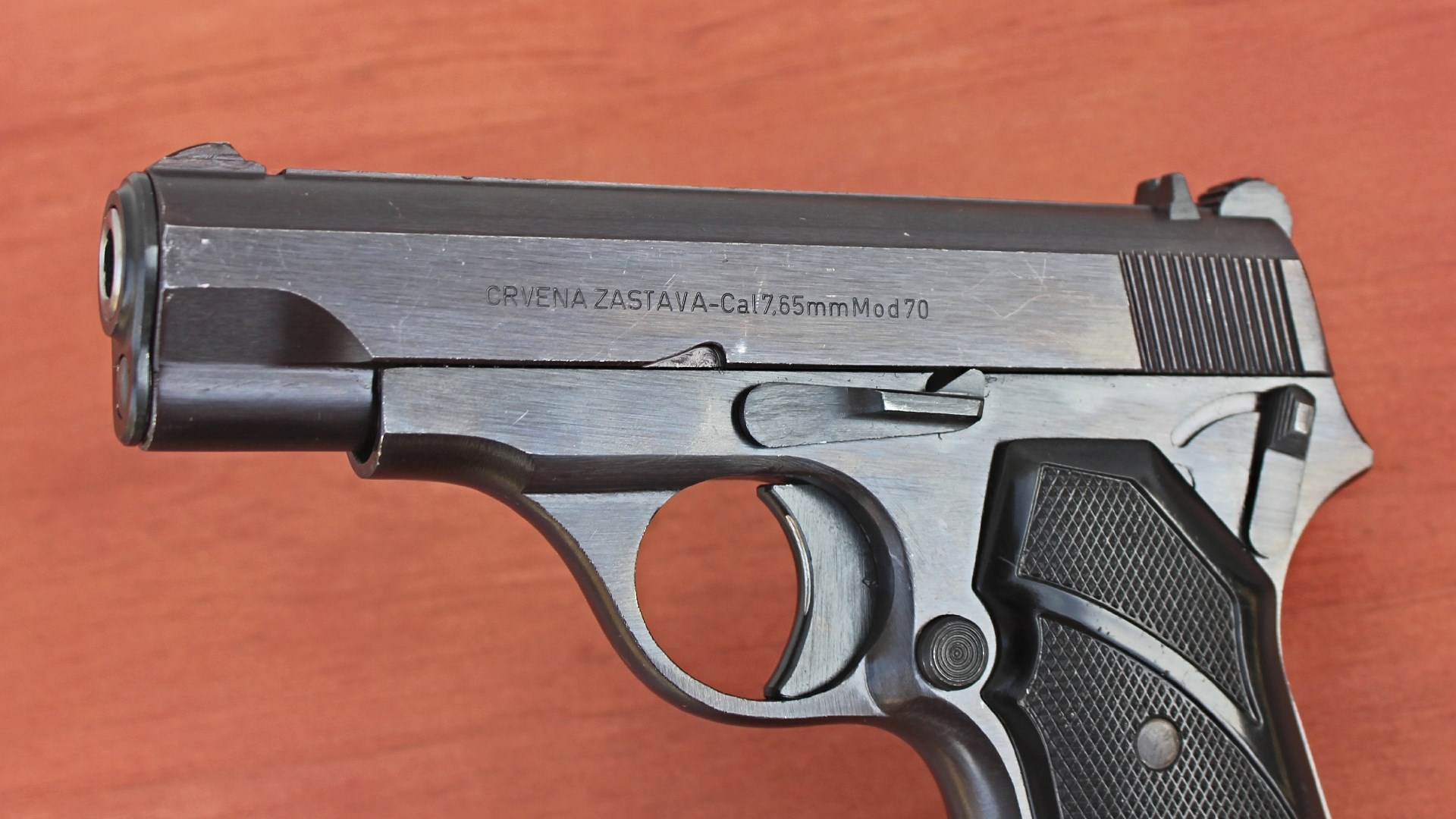
Not too long ago I came across just such a pistol listed on the AIM Surplus website dubbed the Yugoslavian Zastava M70. Formerly designated the CZ M70 (Crvena Zastava Model 1970), it is an all-steel, compact pistol produced by Zastava Arms for the Yugoslav police force and some military personnel. Nicknamed the 'Little Bee,' it's chambered in .32 ACP (sometimes called 7.62 Browning or 7.62 Auto) with a design loosely based on the Zastava M57 which fires the more potent 7.62x25 Tokarev cartridge.
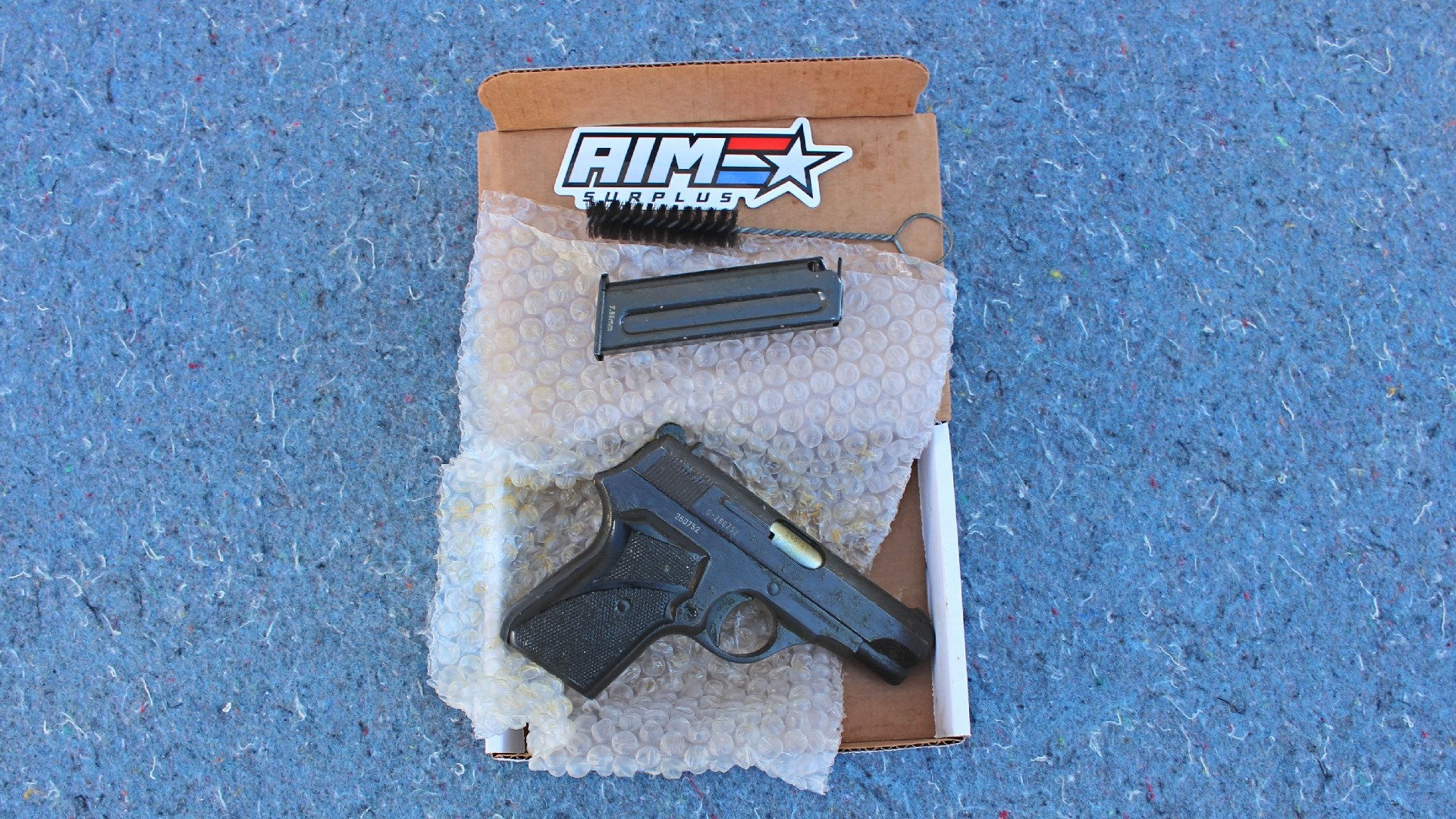
When it comes to the more casual collectibles and surplus handguns, I have a penchant for .32-caliber revolvers and pistols just like this one. Any excuse to shoot up .32 ACP ammunition at the range is a good one. And, with a price tag of $239.95, I had to give it a try.
At the bottom of the web listing, the AIM Surplus team made two statements that proved to be true. The first was, "This shipment is extremely clean with only very minor finish wear." The pistol I received was in almost new condition mechanically with just little hints of wear to the matte blued finish common to surplus guns that have been shoved around with something less than tender loving care. From what I could see, it is likely this pistol had not been issued.
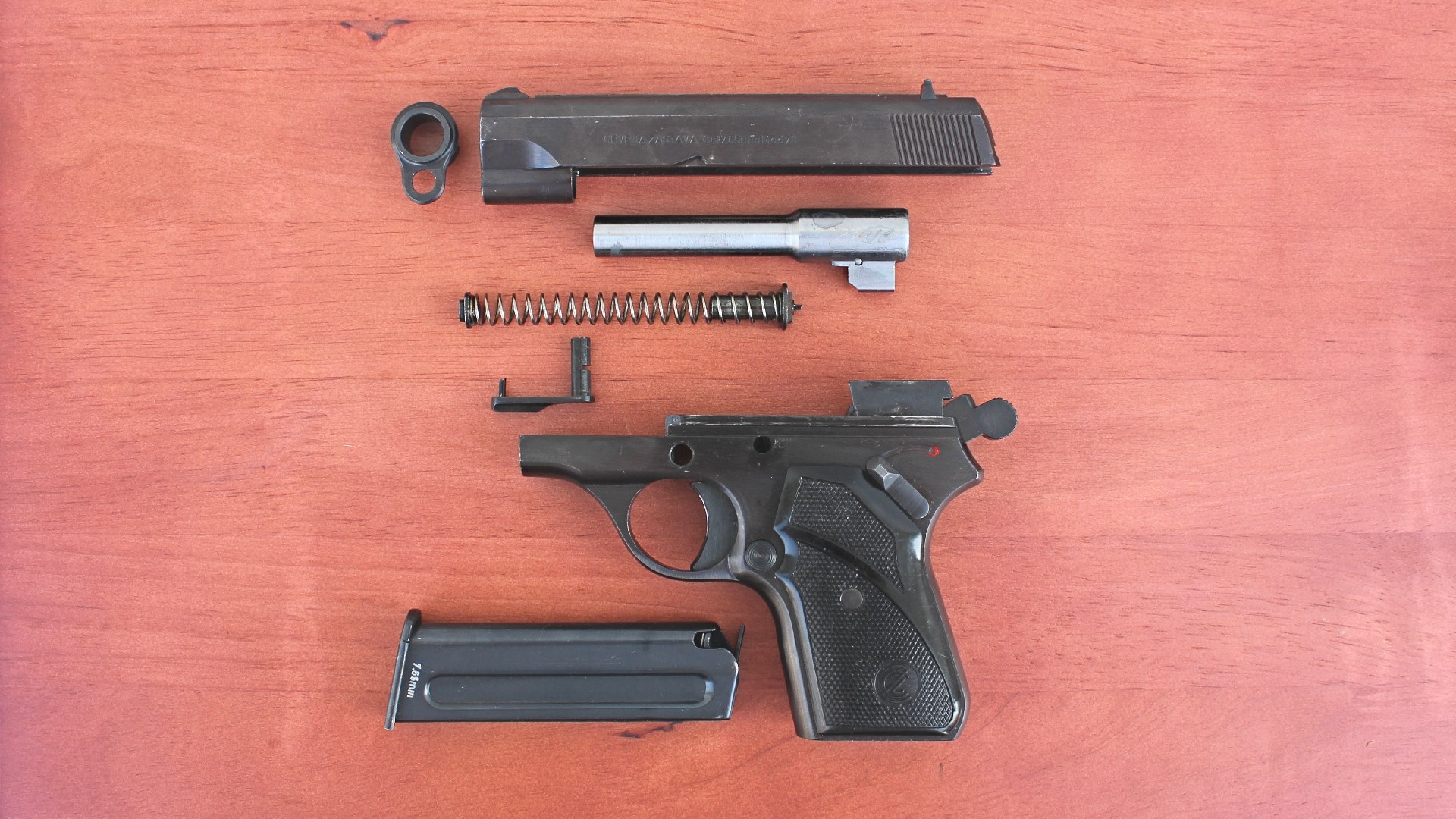
The second note was short but important noting that, "They are caked in Cosmoline." For those who are less familiar with this preservation method, Cosmoline is a thick, waxy, petroleum-based product applied to metal components to form a protective, but gooey, coating that prevents corrosion during storage and transport. Whoever applied the Cosmoline to the M70 I worked with must have loved their job because there was plenty of it. It's likely that this gun was manufactured in the 1980s, which means the Cosmoline had roughly four decades to age into a gelatinous tar that had to be completely scrubbed out before this pistol could be put to work.
Cleaning a thoroughly Cosmolined pistol can either be an enjoyable Saturday afternoon's work for the dedicated hobbyist, or a chore to grind through depending on your personal proclivities. There is more than one way to get through this greasy process and plenty of resources online to guide the novice. In this case, it took about four hours working with hot water, degreaser and brushes to get the job done.
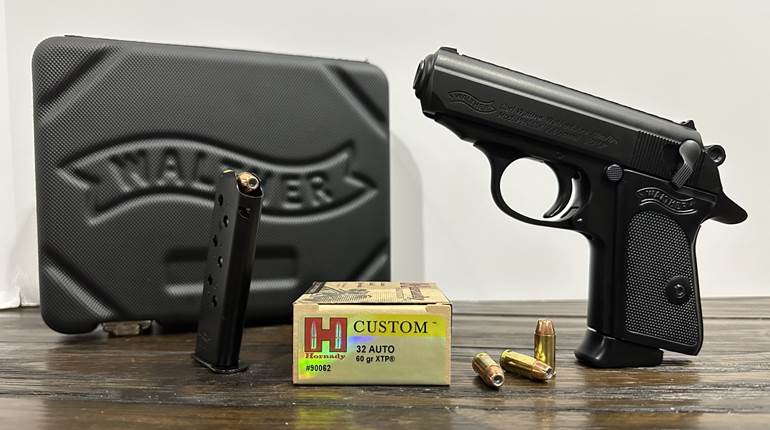
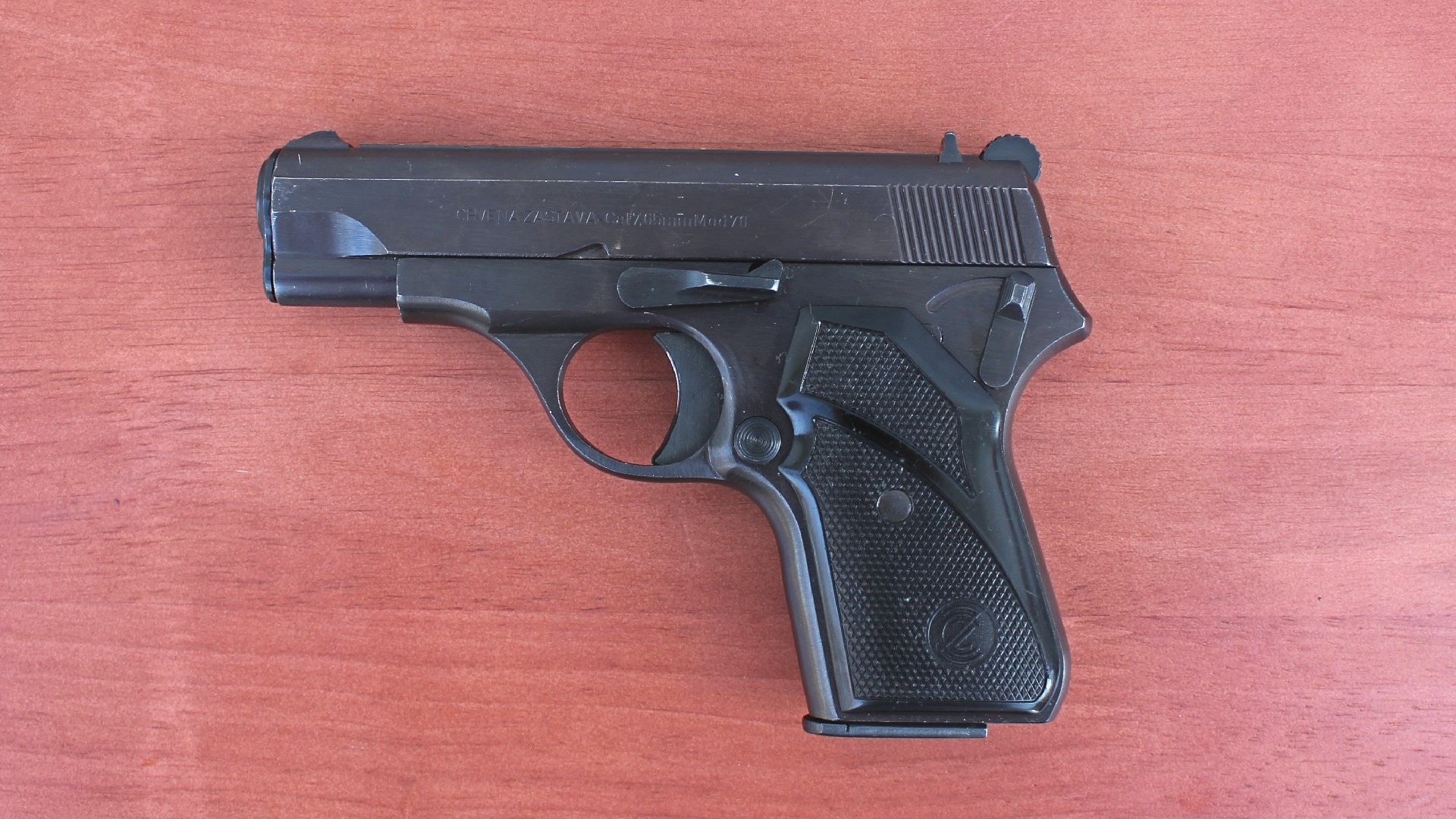
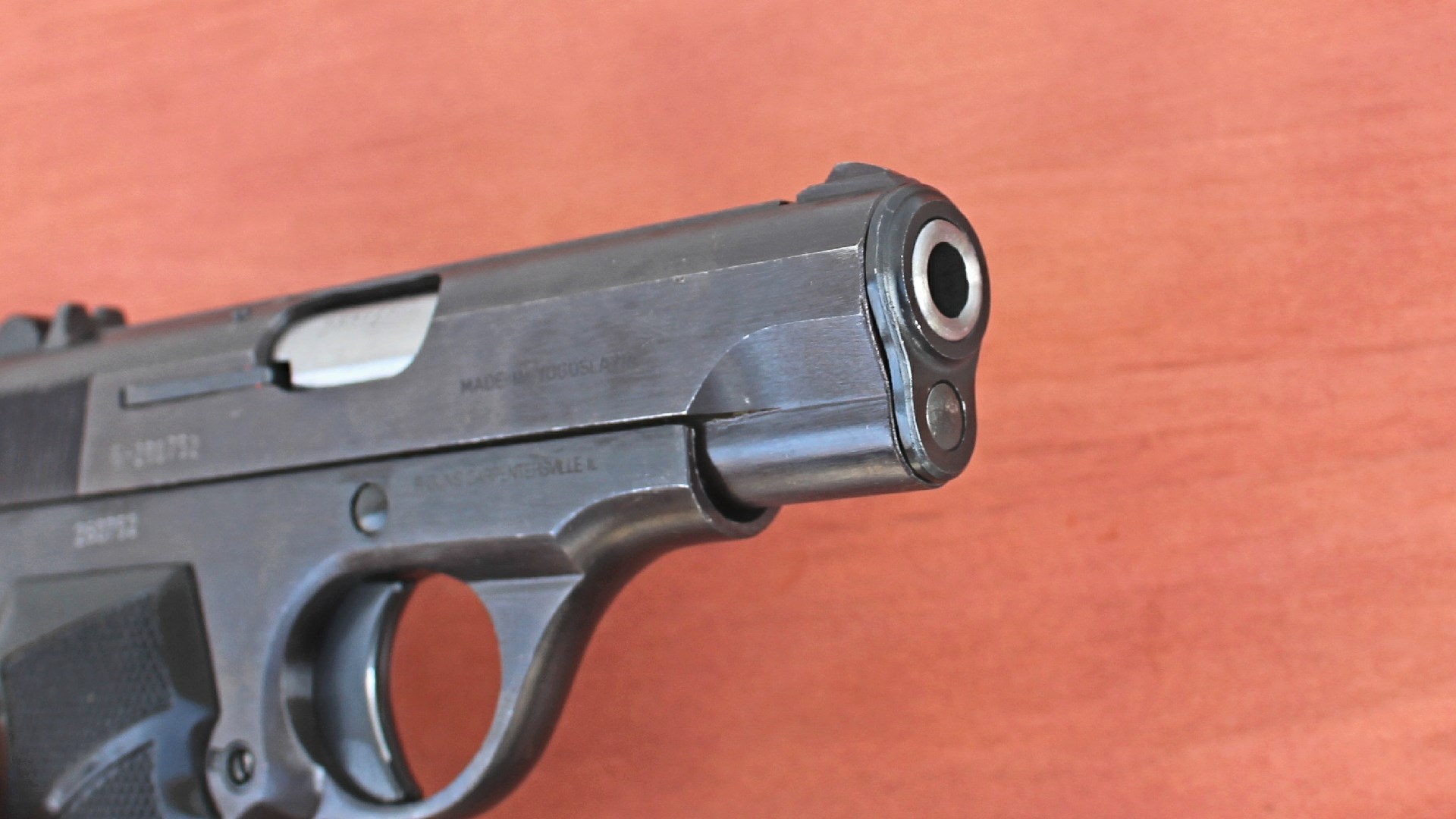
The M70 is a centerfire, semi-automatic pistol that employs a simple blowback-operated action. Its profile and footprint are comparable to those of the eight-shot, .32 ACP Walther PPK/s, although the M70 is 2.6 ounces heavier. It is wholly constructed of a carbon-steel alloy treated with a matte-blue finish throughout. The only polymer components are the two black checkered grip panels.
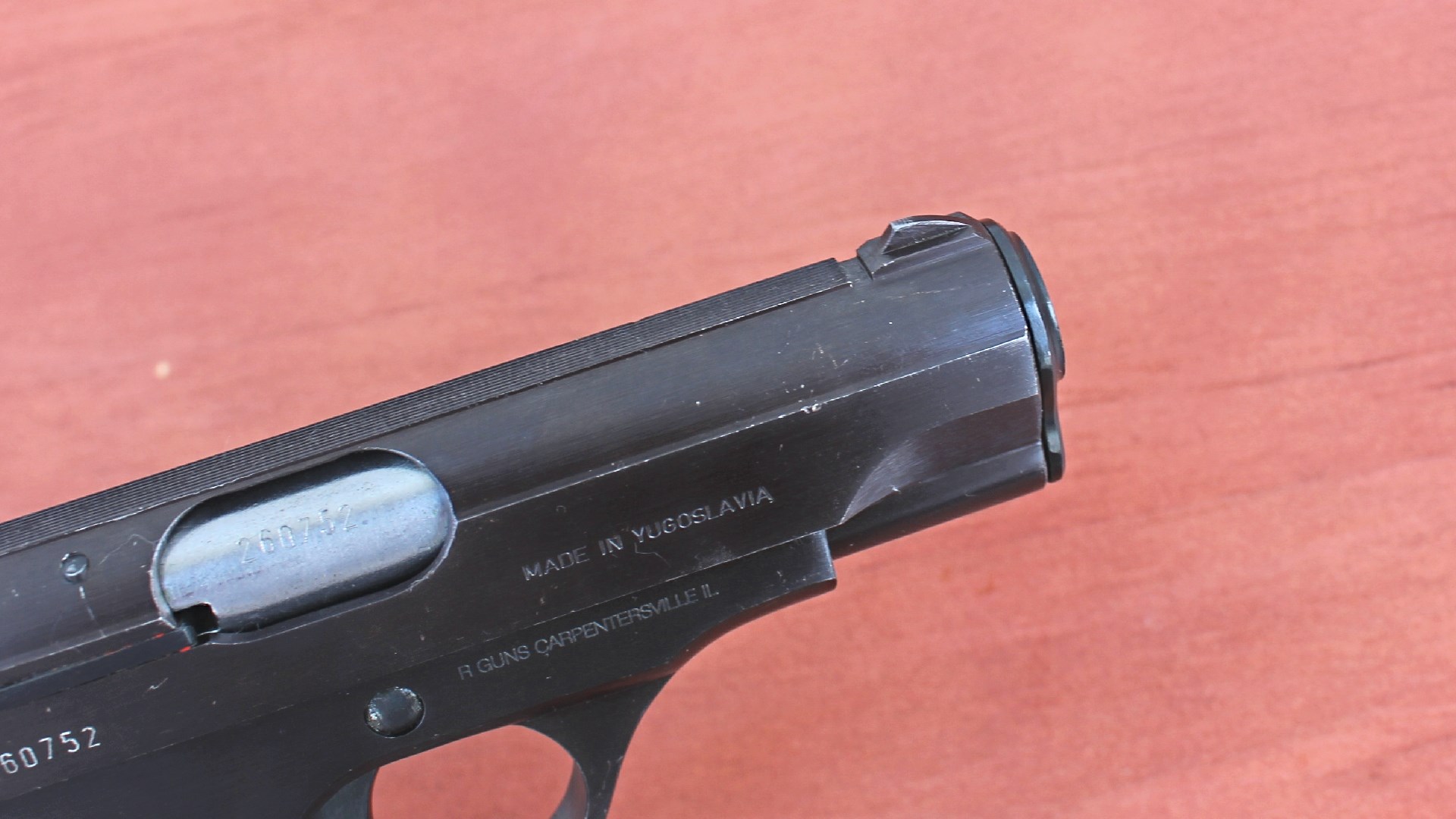
The slab-side slide profile, barrel bushing and canted rear cocking serrations appear to be borrowed from the M1911 pistol design. The top of the slide sports a milled-in front sight blade with a grooved top strap to reduce glare. The rear sight, which has a U-shaped notch, is dovetailed into the slide, which allows it to be adjusted for windage. The slide's right side extractor appears to have had some red paint on it at some point, perhaps to serve as a loaded chamber indicator.
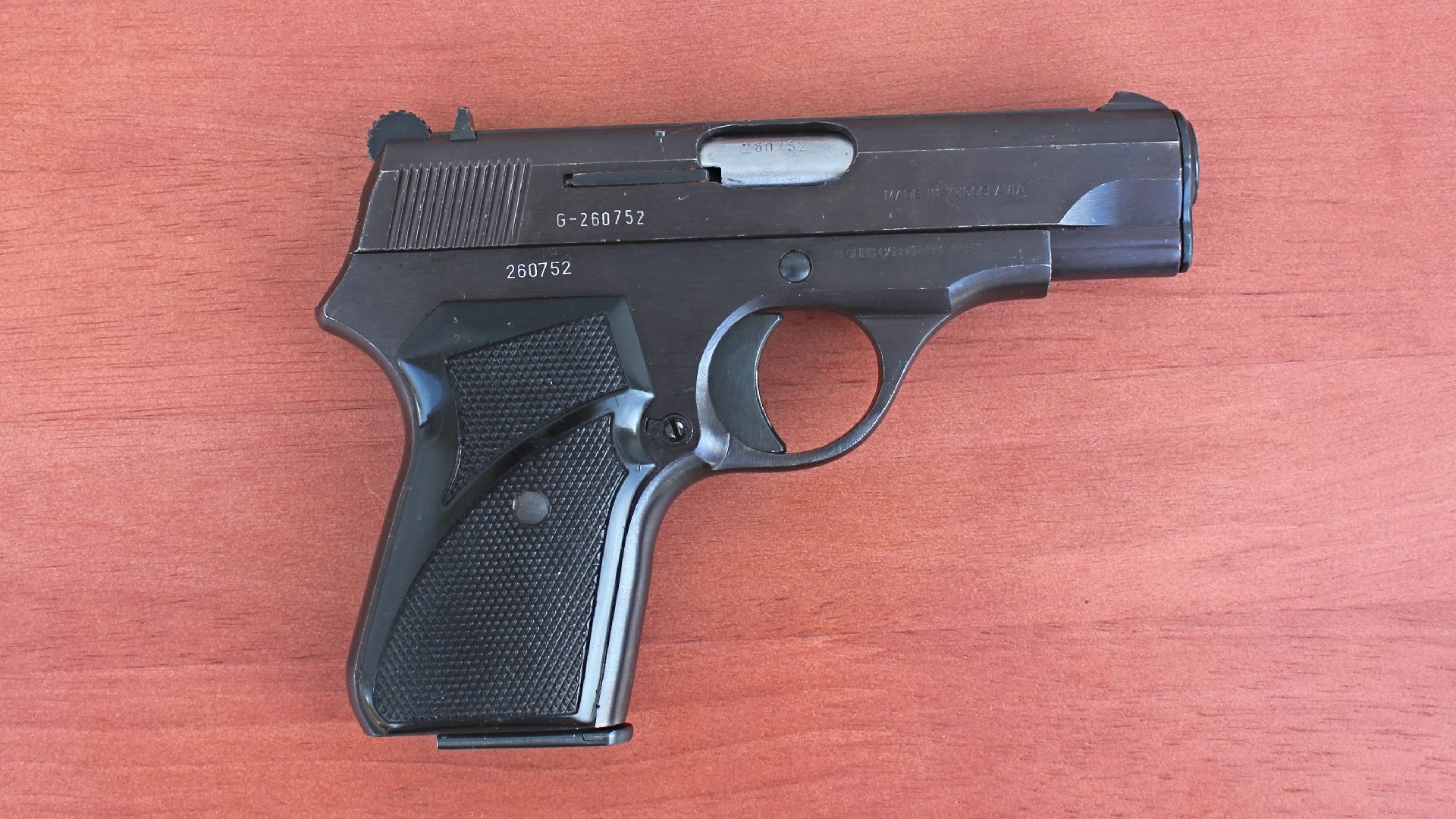
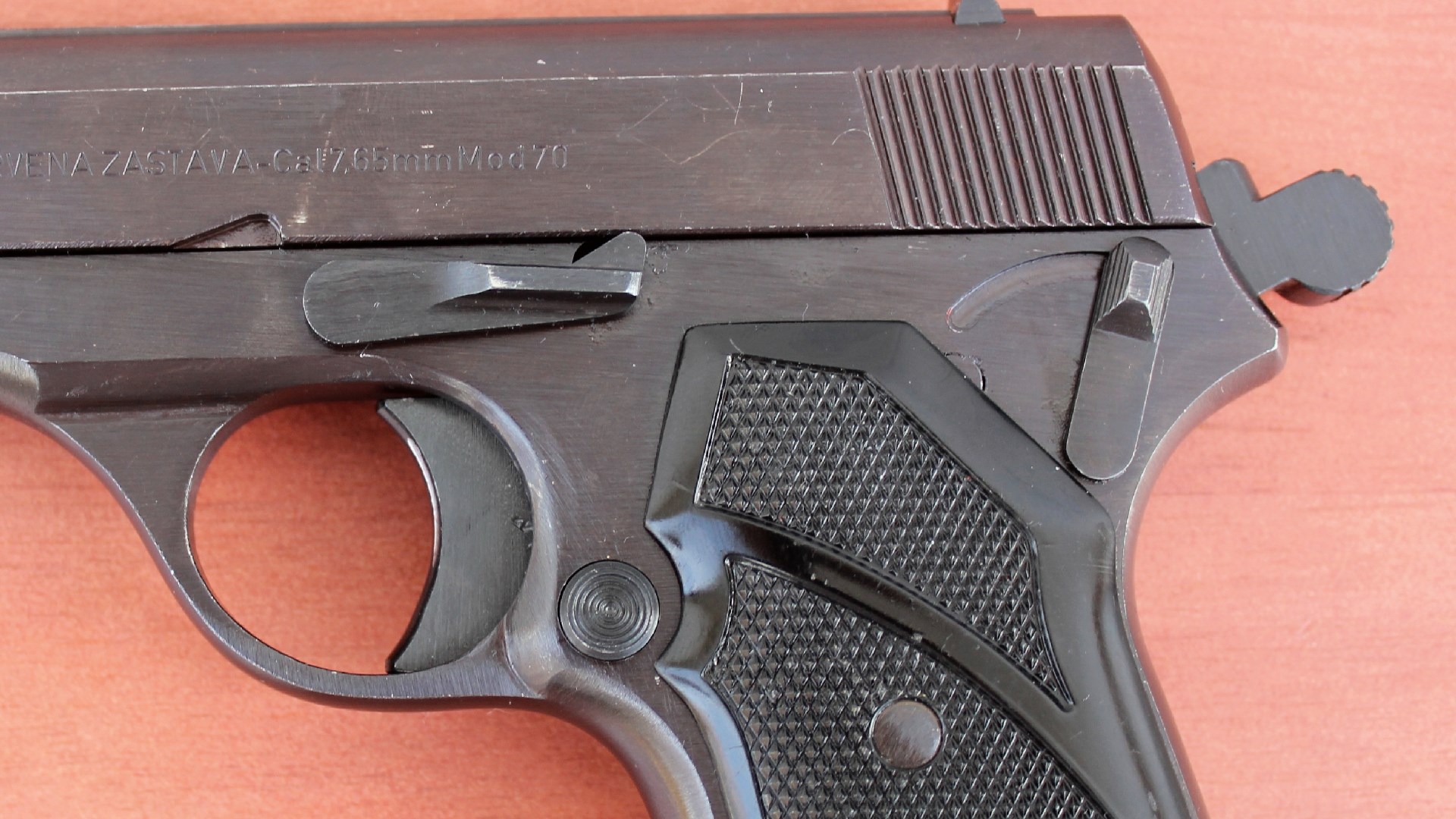
The one-piece steel frame sports a short dust cover and a rounded trigger guard. The left-side controls include the slide stop lever, which is also the takedown pin, a grooved round button magazine release and the thumb safety lever. This safety's pivot point is at the bottom next to the grip panel. It swings back towards the hammer into the SAFE mode which blocks the trigger and the slide from cycling. When the safety is thumbed forward, into the FIRE position, a red dot is exposed on the frame.
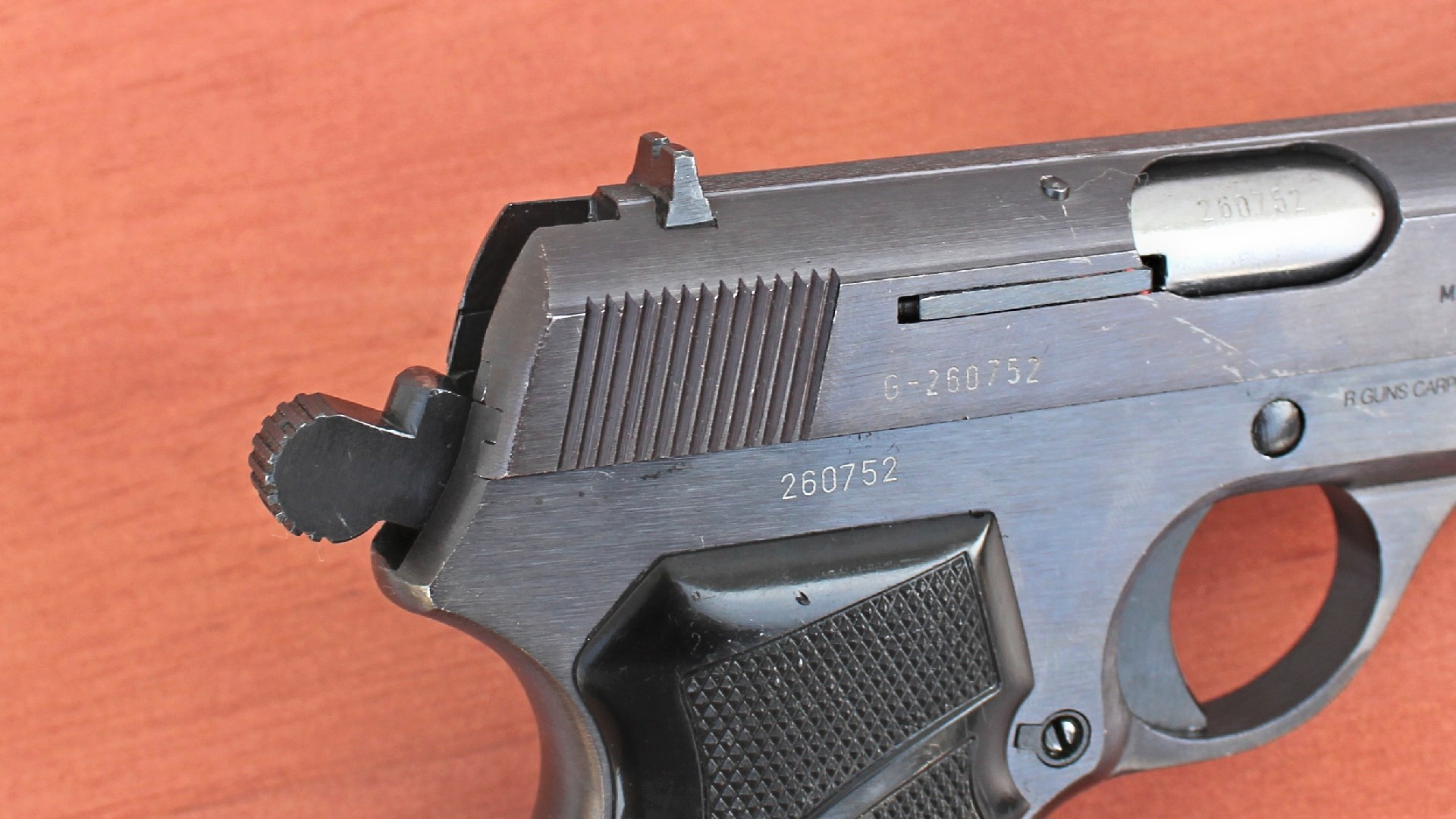
The curved steel trigger is single-action, meaning that the hammer must be cocked in order for the pistol to fire. The two methods for carrying the M70 safely would either be with an empty chamber, or 'cocked and locked' with the hammer cocked and the thumb safety engaged. It should be noted that this gun does not have a de-cocker mechanism. In fact, it seems superfluous for the hammer to have a grooved cocking spur. It only has two positions, fully forward or fully cocked. The only safe way to cock it is by cycling the slide. This pistol does not have a magazine safety either, which means it will fire with the magazine removed from the grip.
The trigger pull felt lighter than expected. Apparently some M70's have triggers that weigh in at more than 11 pounds. The example I worked with measured 7 pounds, 1 ounce according to a Lyman Products digital trigger gauge. Although this is not a light trigger by modern standards, the arc of travel was short with a hint of take-up before a smooth, clean break. This gave the trigger something closer to a 5-pound feel. Although I would not choose this trigger for a competition pistol, it was more enjoyable to work with than I thought it would be.
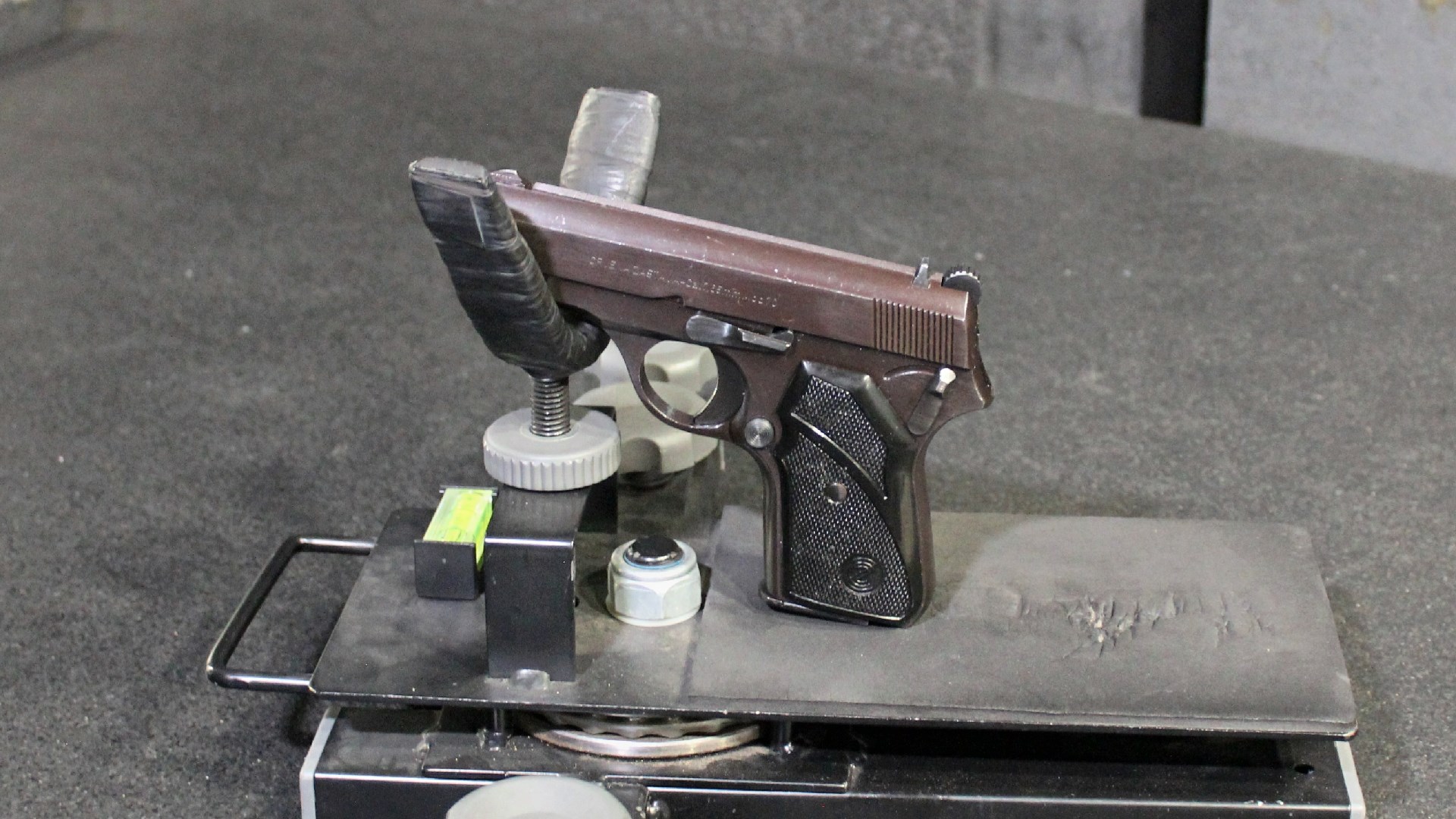
The compact grip frame is relatively short, providing a two-finger grip for the shooting hand. The grip frame's front and back straps are smooth and free of any texturing. Although there is a hint of a hammer extension, there is no beaver tail to protect the shooting hand from hammer bite. The hammer did not pinch me during the shooting portion of the test, but someone with large hands or a high grip just might feel the hammer spur's less-than-gentle caress. The M70 arrived with one eight-round, single-stack magazine that does not drop free when the release is pressed. Instead it drops about a quarter of an inch out of the magazine well so that it can be manually extracted.
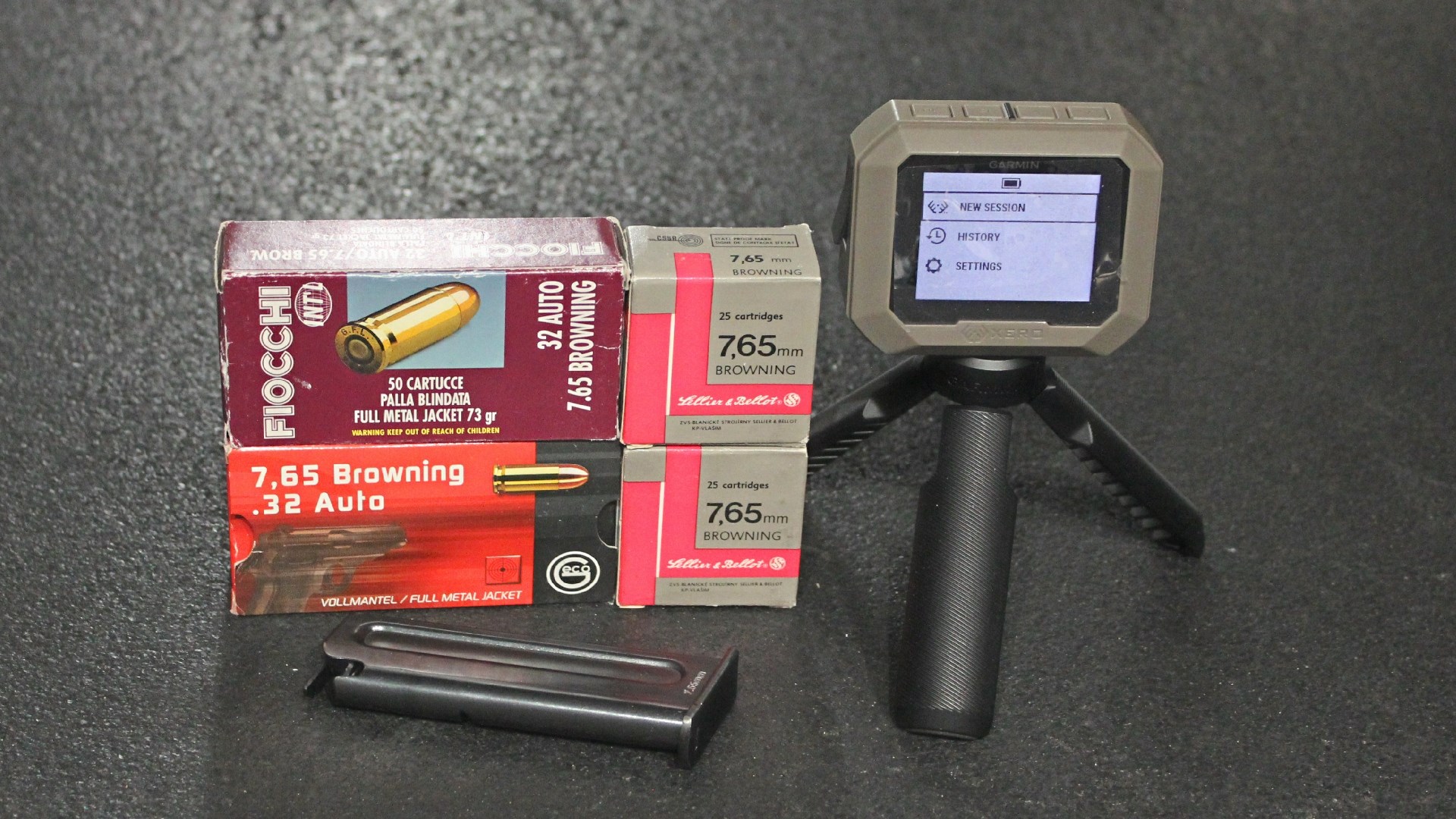
With regard to ammunition selection, the older military-grade .32 ACP pistols like this have been designed to operate reliably with 7.65 Browning (European specification) type loads topped with relatively heavy 73-grain, full-metal jacket bullets. Trying to shoot modern American defensive hollow points with lighter bullets is likely to cause the gun to jam. Rather than burning up relatively expensive and hard to find hollowpoints, the range evaluation was conducted using ball loads from Fiocchi USA and Geco Ammunition. The test set was rounded out with a couple of boxes of surplus Sellier & Bellot (S&B) rounds provided by AIM Surplus.
Due to the M70's weight and caliber, levels of felt recoil were on the modest side of the scale. Using the ammunition mentioned above, the pistol proved to be 100-percent reliable throughout the course of testing. I thought a break in period might be necessary to smooth out the action but this was not the case. The M70's reputation for being sturdy and reliable proved to be the case for this particular pistol. Due to the test ammunition having the same bullet weights and types, along with similar listed velocities, the performance was fairly consistent across the board in regards to accuracy and velocity.
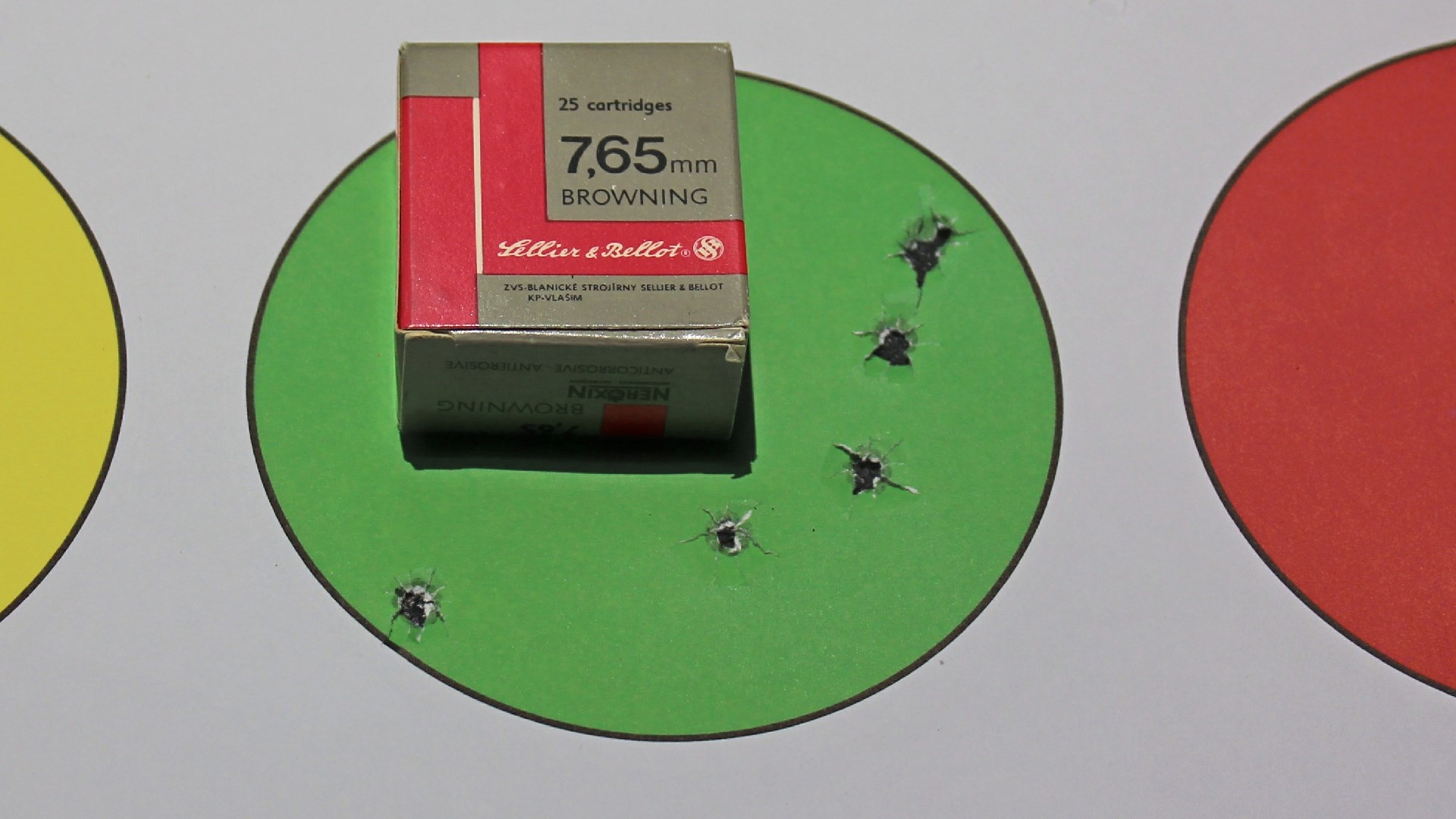
These little pistols have a reputation for being fairly accurate. But that may depend on target distance. I think this one would have yielded more respectable numbers at 7 yards. But, the 3.5-inch-barrel length put this gun right on the cusp of the 15-yard test distance requirements. Firing bench rested, five-shot groups at this distance, the pistol did not shine as brightly as I had hoped. Accuracy was merely adequate, with groups hovering around the 3.5-inch mark.
Shooting Results
| Load | Velocity | SD | Energy | Group Size | ||
| Smallest | Largest | Average | ||||
| Fiocchi USA 73-grain FMJ | 943 | 13 | 144 | 3.41 | 3.84 | 3.61 |
| Geco Ammunition 73-grain FMJ | 929 | 8 | 140 | 3.36 | 3.94 | 3.63 |
| Sellier & Bellot 73-grain FMJ | 992 | 7 | 160 | 3.49 | 3.87 | 3.66 |
Velocity and standard deviation (SD) measured in fps 6 inches from the muzzle for 10 consecutive shots with a Garmin Xero C1 Pro chronograph. Muzzle Energy (Energy) measured in ft.-lbs. Temperature: 54 degrees Fahrenheit. Humidity: 37 percent. Accuracy measured in inches for five consecutive, five-shot groups at 15 yards from a bench rest. Abbreviations: FMJ (full metal jacket).
Overall, I found the Zastava Model 70 to be an enjoyable sliver of military history to work with. The full disassembly and deep cleaning process, its soft shooting characteristics and rugged reliability give it a charm that fans of military surplus handguns will find engaging. This particular model has some intriguing design choices, including the grip panels that use locking plates instead of screws to secure then to the frame.
Some readers will be curious about this pistol's potential as a concealed-carry or defensive option. When loaded properly, it's certainly rugged and reliable enough to use in that role. But, its weight, modest caliber, heavy trigger, single-stack capacity and out-of-date features make it strictly a 'whatchagot' defensive option. Instead, it should be pursued for what it is, an enjoyable casual collectible for military surplus fans. For more information about this and other AIM Surplus offerings, visit aimsurplus.com.
Yugoslavian Zastava Model 70 Specifications
Action: single-action; blowback operated; centerfire semi-automatic
Caliber: .32 ACP (7.65 Auto)
Finish: Blued carbon steel alloy
Grips: Checkered black polymer
Sights: Fixed front; dovetailed round-notch rear
Barrel Length: 3.5 inches
Overall Length: 6.35 inches
Height: 4.6 inches
Width: 1.15 inches (at the grip)
Weight: 26.4 ounces with empty magazine
Trigger Pull: 7 pounds, 1 ounce
Capacity: 8+1 rounds
Twist: 1:9.45-inch, RH
Grooves: 6
Accessories: one magazine, cleaning brush
MSRP: $239.95