** When you buy products through the links on our site, we may earn a commission that supports NRA's mission to protect, preserve and defend the Second Amendment. **
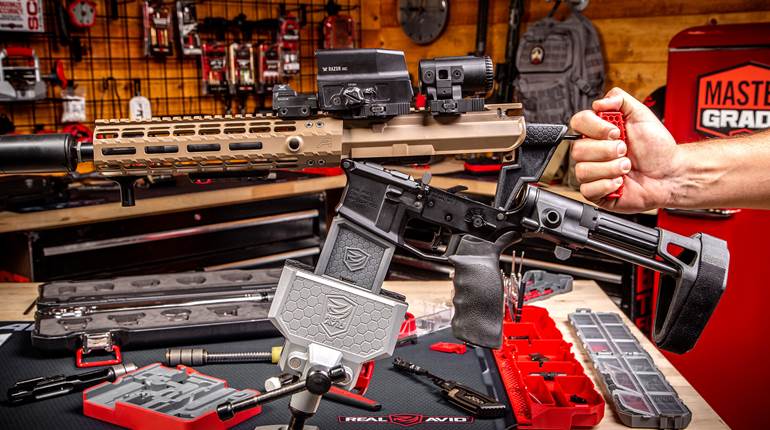
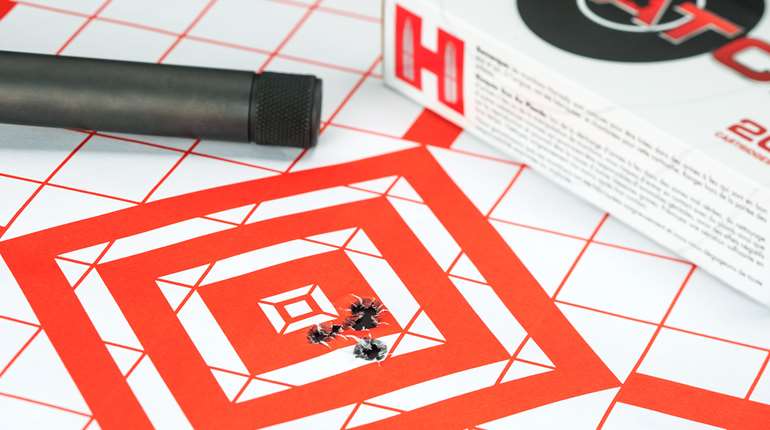
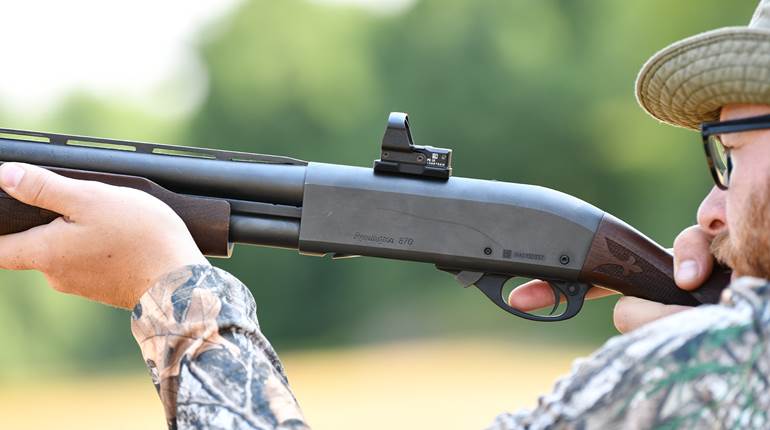
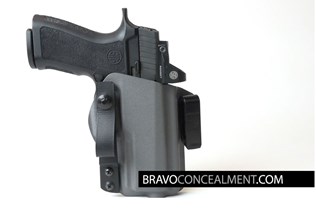
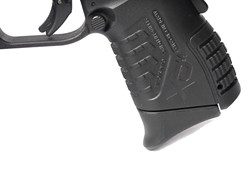
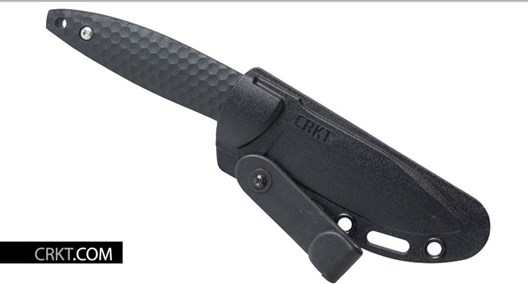
This week, American Rifleman’s Joe Kurtenbach discusses some of the little things you can do to improve the functionality of your gear. “Always Improve Your Position” is a mantra Kurtenbach picked up during his time as a U.S. Army Cavalry Scout, and while he’s no longer establishing observation posts or building up defensive positions, the philosophy still holds true. Don’t get complacent, don’t be satisfied with good enough. There are always little things you can do to ensure you and your gear perform when needed. Learn more in this week's NRA Gun Gear of the Week video.
Additional Reading:
Range Report: SIG P320 X-Carry Part 1
NRA Gun Gear of the Week: Springfield Armory XD(M) 3.8" Compact Pistol
Additional Reading:
Range Report: SIG P320 X-Carry Part 1
NRA Gun Gear of the Week: Springfield Armory XD(M) 3.8" Compact Pistol