One of the most iconic sidearms ever made, the P08 Luger was a mainstay in the German army from before World War I until the end of World War II. Watch our "American Rifleman Television" I Have This Old Gun segment above to see the details of the classic German Luger and understand its history, which started with the Borchardt Luger of 1893.
" The Borchardt Luger was, of its type, revolutionary. One of the things that it did have is kind of very intriguing proprietary toggle action. However, it was a little on the cumbersome side, and it did have its difficulties, including a coil spring and things like this," American Rifleman Field Editor Garry James said. "So Luger put his mind to work, and he came up with an improvement in 1900, which today we call the Luger."
In construction, the Luger borrowed the toggle-locking, semi-automatic operating system from the initial Borchardt design, but with a smaller, refined mechanism. From the early 20th century, Luger developed several variations of his design, with different nations adopting different models. Finally, the German military took an interest, but it wasn't the army that was interested, initially.
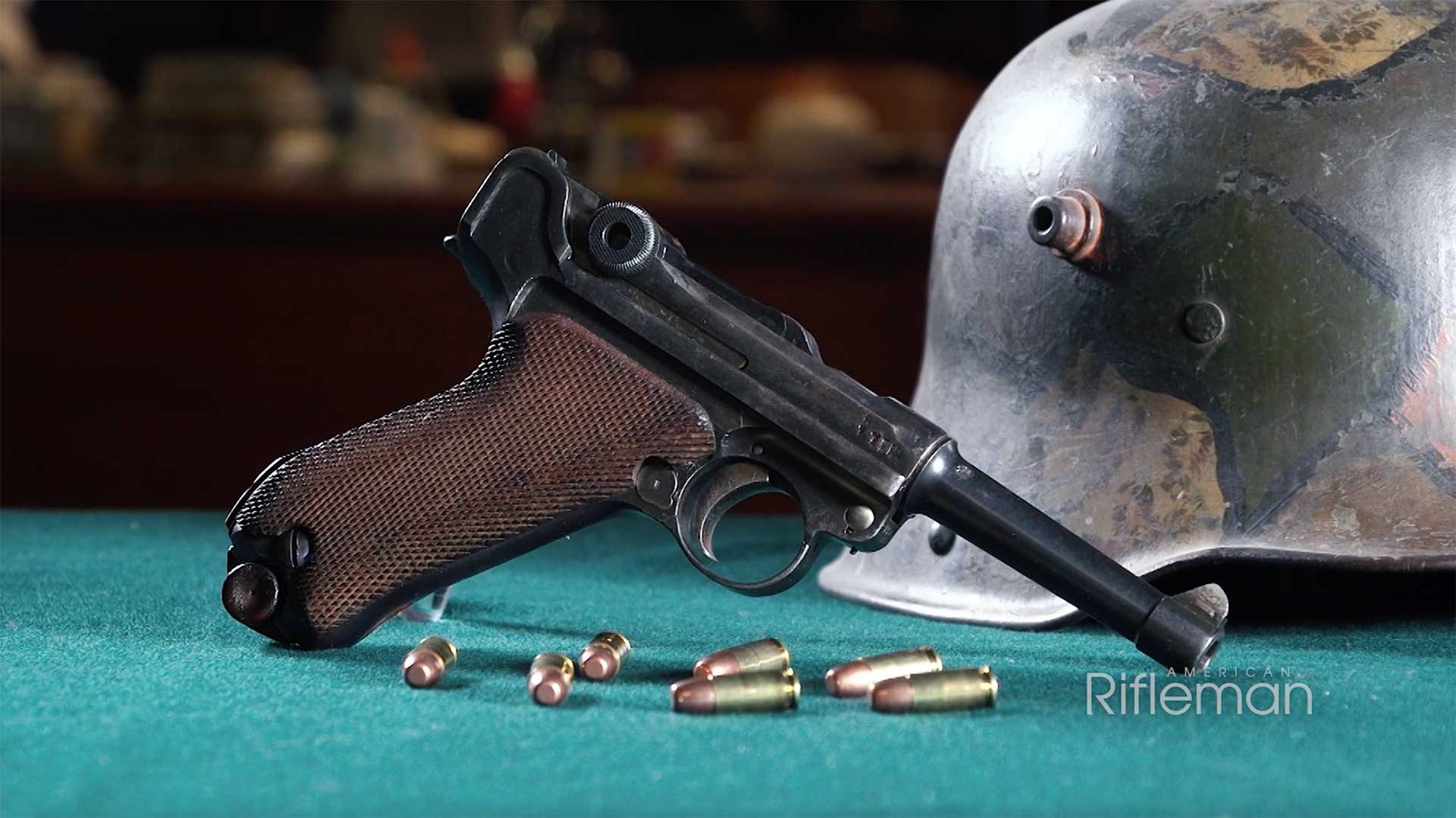
"There are an enormous number of different Luger variants out there. You have your Swiss Lugers, you have your American Eagle Lugers, your Dutch Lugers. I mean, they're all over the place. But it's not until 1904 that the Germans really take any interest in it. And at that point, it's the German navy that picks it up," American Rifleman Executive Editor Evan Brune said. "Even then, the German army still takes another three or four years to look at the design. And there, they realize that there's still a few changes that need to be made to the Luger design. And so, ultimately, the P08 has a number of features that you won't find in earlier designs."
Notably, the German army Luger, the Pistole 08, had one feature that would go on to have an immeasurable impact on future handgun design. Its detachable box magazine held eight rounds of 9 mm Luger, which outlasted its host firearm to become one of the most significant cartridge developments in firearm history.
"It turns out to be the longest lasting legacy of the Luger pistol," NRA Media Editorial Director Mark Keefe said. "There are people who have actually never seen a Luger, but they know what 9 mm Luger is, because it's become the most dominant defensive handgun cartridge in the late 20th and early 21st century."
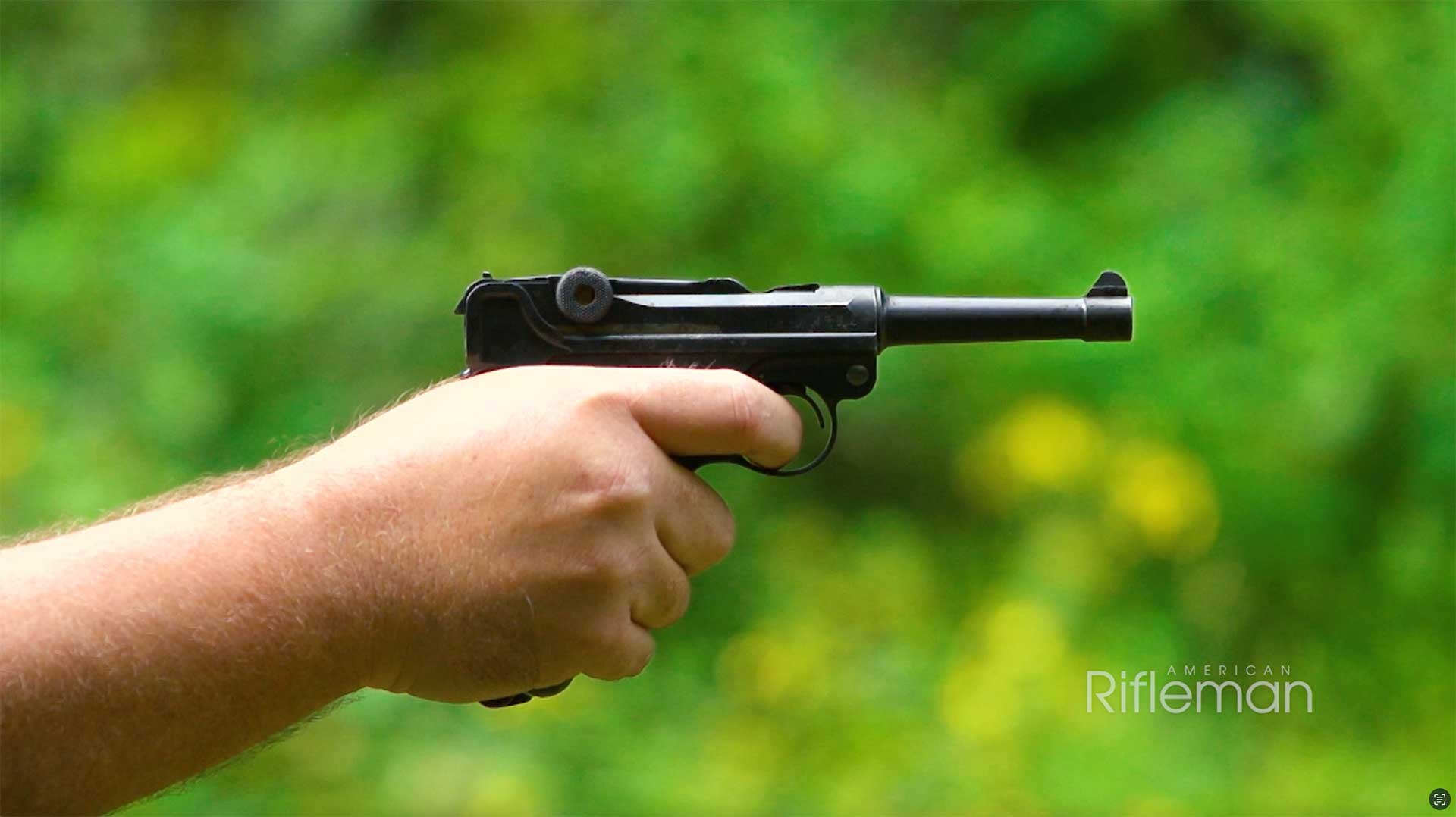
As for the P08 Luger, though, its service life would be limited as handgun development proceeded. Its construction required finely machined components that slowed production, and many components required labor-intensive hand-fitting, which required that fitted components be marked with matching serial numbers to ensure function.
"The gun itself had a reputation for being a little cranky, especially ammunition-sensitive. They were built to such tight tolerances that they could, they were susceptible to problems in the trenches, no question about it, in general service," James said. "So the Germans started casting around and in 1938, they adopted the Walther P38."
To watch complete segments of past episodes of American Rifleman TV, go to americanrifleman.org/videos/artv. For all-new episodes of ARTV, tune in Wednesday nights to Outdoor Channel 8:30 p.m. and 11:30 p.m. EST.