A “Supply Chain Risk Management Report” [PDF] issued earlier this year by the U.S. Office of the Assistant Secretary of Defense for Sustainability indicates disease, social unrest, record-setting firearm sales and politics no longer hold the exclusive for creating gun and gear shortages. The study clearly states foreign powers are exploiting supply-line logistics to gain a tactical and diplomatic advantage over the United States. The shooting sports are not the primary target in the clandestine war, but 2020 and 2021 make it obvious they’re standing in no man’s land.
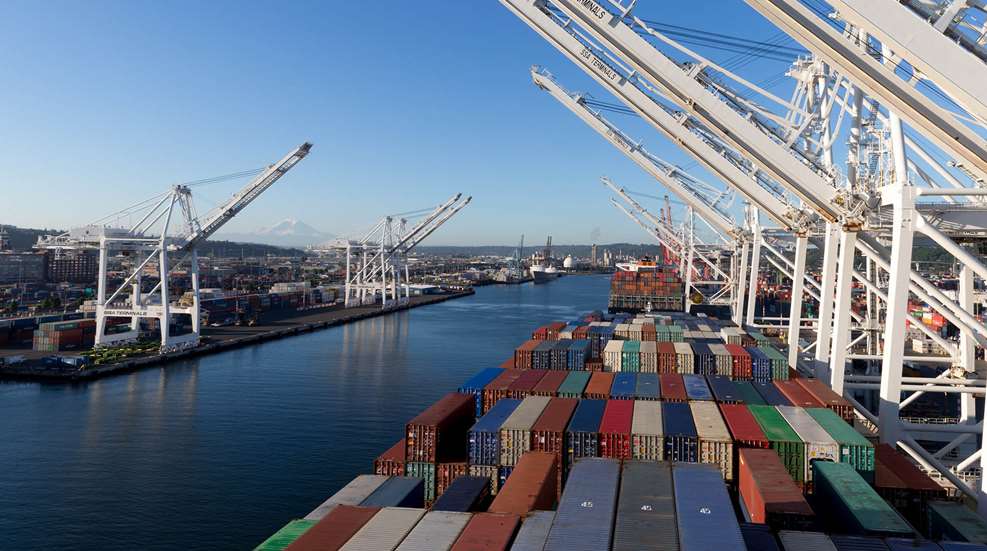
The gun industry isn’t immune to the affects, despite the fact it is overwhelmingly reliant on U.S.-produced materials. When canals get blocked, cargo ships stall and shipping containers grow scarce, huge stateside corporations that habitually buy cheap abroad have no other choice but to purchase domestically. The volume of their orders and ability to pay a premium price command a priority among providers. That leaves gun companies short of raw material, scrambling to find transportation for finished products and shrinking inventories at FFLs.
“While many practitioners of supply chain management have long understood the global dependencies—and associated risks—of our supply chains,” the report states, “it took a pandemic and the resultant supply disruptions to fully expose the national security implications associated with these supply chain vulnerabilities.”
Post-pandemic interviews conducted by American Rifleman with major manufacturers found they have—unanimously—made modifications in ordering, warehousing and shipping procedures to ensure their products reach FFLs should another “perfect storm” strike. The approaches were different, sometimes subtle, but the Department of Defense report, issues an ominous warning that even radical change might not even be enough to defeat the deeply seated economic infiltration.
“Our adversaries are using supply chains as a non-standard tool to engage in competition below the level of armed conflict,” it states. “The very nature of a modern global supply chain has exposed the nation to increased foreign influence and control in the form of shadowy equity investments, a web of hard-to-trace associations that result from a multitude of mergers and acquisitions, and competitor infiltration deep within the supply chain sub-tiers. Our adversaries have also increased their control of strategic reserves of critical minerals and rare earth elements, just as we grow more dependent on economically fragile sole-source suppliers.”
The report includes an exhaustive list of recommendations designed to minimize the concern, although it’s uncertain how long it will take a slow-moving federal government (that seems to have forgotten the lessons of World War II’s Red Ball Express) to approve, much less implement, change. Odds are good, however, requirements for any manufacturer—firearm-related or otherwise—that submits a military contract bid will encounter more stringent raw material supply requirements.
Most Popular