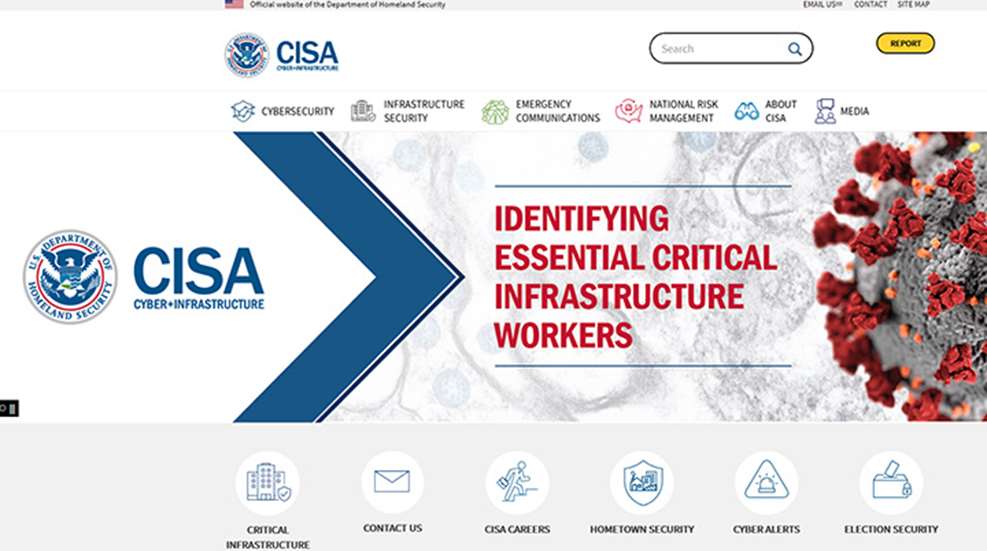
The firearm industry is included in the list of businesses considered essential during the COVID-19 outbreak, according “Guidance on the Essential Critical Infrastructure Workforce” issued on March 28, 2020, by Christopher C. Krebs, director of the Federal Government’s Cybersecurity and Infrastructure Security Agency. The listing falls under the Law Enforcement section and states jobs that can continue include, “Workers supporting the operation of firearm or ammunition product manufacturers, retailers, importers, distributors, and shooting ranges.”
“We are deeply appreciative to the Trump Administration and Department of Homeland Security for recognizing the vital role our industry fulfills in our nation,” said Lawrence G. Keane, senior vice president and general counsel for the National Shooting Sports Foundation.
It’s a recognition of the need for law enforcement to have access to supplies and the right to self-defense during the crisis, but it does not guarantee those FFLs, ranges and manufacturers that are currently open will not close. Cities, counties and states can still impose more stringent guidelines as conditions dictate. “This list is advisory in nature,” the guidance statement explains.
“It is not, nor should it be considered, a federal directive or standard. Additionally, this advisory list is not intended to be the exclusive list of critical infrastructure sectors, workers, and functions that should continue during the COVID-19 response across all jurisdictions. Individual jurisdictions should add or subtract essential workforce categories based on their own requirements and discretion.”
Many indoor shooting ranges, in particular, have already closed their doors to honor the so-called social distancing rules and minimize exposure risk to their customers and staff—despite cutting-edge ventilation systems capable of ferreting out the smallest airborne particles. Owners and prospective owners are encouraged to call ahead to ensure the store or range is still open and adhere to all shelter-in-place orders in effect in their region.
Most Popular