Many Americans live in small communities. It has been that way since the country was born. For generations, small-town folks have lived pleasant, usually quiet lives. For the most part, when excitement comes to such places, the reality is rarely a pleasant one.
That was the situation in the border community of Columbus, N.M., in March 1916. New Mexico had only recently become a state on Jan. 6, 1912. The border with Mexico is just 3 miles from Columbus, and the locals were quite familiar with America’s troubled southern neighbor. The Mexican Revolution began in late 1910, and by 1916, many Mexicans had fled the violence in their own country by crossing into America. In those days, crossing the border was easy, and shops in Columbus had many Mexican customers. Life wasn’t easy in Columbus in those days, but it wasn’t easy anywhere else, either. Even so, the good people on both sides of the border could never imagine the events that would occur on the night of March 9, 1916.
Why Columbus?
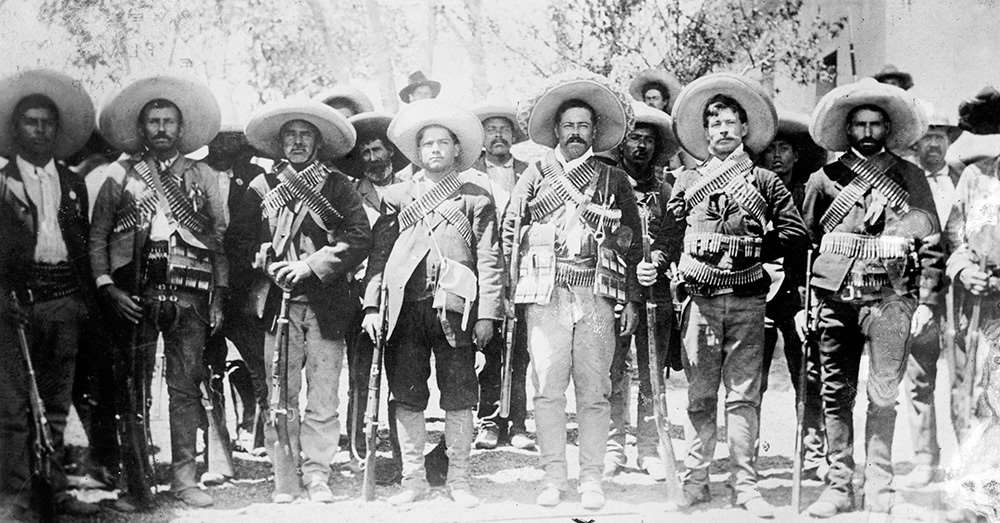
One of the key figures in the Mexican Revolution was Francisco “Pancho” Villa, a guerilla leader and politician who was instrumental in the ousting of Mexican President Porfirio Díaz in 1911. As the Mexican Revolution continued, Pancho Villa’s power had waned, but he and his small army remained dangerous. By early 1916, in the mountains near Chihuahua, Villa and his loyal followers (the remnants of the “Division of the North”) regrouped while their leader re-energized himself with hatred toward America. Apparently, he also had a significant grudge against the Ravel brothers, Sam and Louis, owners of a popular dry-goods business in Columbus. The Ravels may have cheated Villa on a deal, or Villa may have simply imagined it. Either way, the Columbus merchants were at the top of Villa’s hit list. In the beginning of March 1916, Villa made his plans to attack America and was on the move with a force of nearly 500 men. By March 7, his men were in position near the border. On the night of March 8, they attacked.
The presence of nearly 200 Soldiers of the U.S. Army’s 13th Cavalry Regiment made Villa’s attack a strange combination of stealth and arrogance. While his men were experienced fighters in Mexico, the nearby U.S. Army garrison should have given Villa some pause. Unfortunately for the residents of Columbus, Villa went ahead with the attack. At about 4:15 a.m., Villa’s heavily armed men, some carrying 5-gallon cans of kerosene lashed to their saddles, thundered onto the streets of Columbus. The shooting started immediately, and soon after, the town was burning.
The Raid
“The thunderous blare of the Villistas’ rifles split wide the night, echoing over the sleeping town like the deafening voice of doom. The sentry dropped. Then, on a wave of killing passion, Villa and his men clambered out of the ditch, some afoot and some mounted. Across the town they swarmed, shooting and yelling, smashing windows and door fronts. They fired at every moving shadow, they looted stores, burning and killing and destroying.
“In the red flare of burning buildings, it was a tableau of death and horror, a reenactment of Dante’s Inferno. Americans, half-dressed and dazed, fought valiantly to protect their homes. They barricaded their doors and emptied their rifles. Screams of the women and children were all but lost in the din.”
—From “Pancho Villa and the Columbus Raid” by Larry A. Harris (Superior Printing, 1949)
On March 10, the Daily Review in Bisbee, Ariz., reported:
“Just before dawn, they crept through ditches, skirting the U.S. Cavalry camp and rushed the sleeping town, firing heavily. The first volley brought the American troopers into almost instant action. While a portion of the raiders engaged the cavalry, others applied the torch, shooting American civilians venturing from the buildings.
“Many civilians barricaded themselves in their homes and fired on the Mexicans as they darted through the streets. The fighting ended as suddenly as it began. Two hours after the first shot, Villa buglers sounded the retreat. The raiders fled in disorder, American troopers closely following.”
The residents of Columbus fought back vigorously with whatever firearms they had—Winchester rifles were common, plus shotguns and revolvers of various types. The number of dead raiders indicates that the citizens of Columbus shot several of Villa’s men, but no firearm forensics were performed on the Mexican casualties. In his book on the Battle of Columbus, Larry A. Harris recorded the thoughts of Jess Fuller, a former lawman who was involved in the fight:
“Jess Fuller had been the Mayor of Columbus for 12 years. Along with several other jobs, Fuller had been a lawman in the border region. On the night of Villa’s raid, Fuller was staying in a shack near the Commercial Hotel, and he was armed.
‘When all hell started to pop, I rolled a big barrel in front of my shack door and got behind it. Sure, I got in a few good shots … but one thing I’ll never be able to explain is why I didn’t shoot Villa’s bugler. He was about fifty feet away and mounted on a grey horse when he blew the call to retreat. I could have shot him easy enough, but I just sat there watching.’”
The Grisly Aftermath
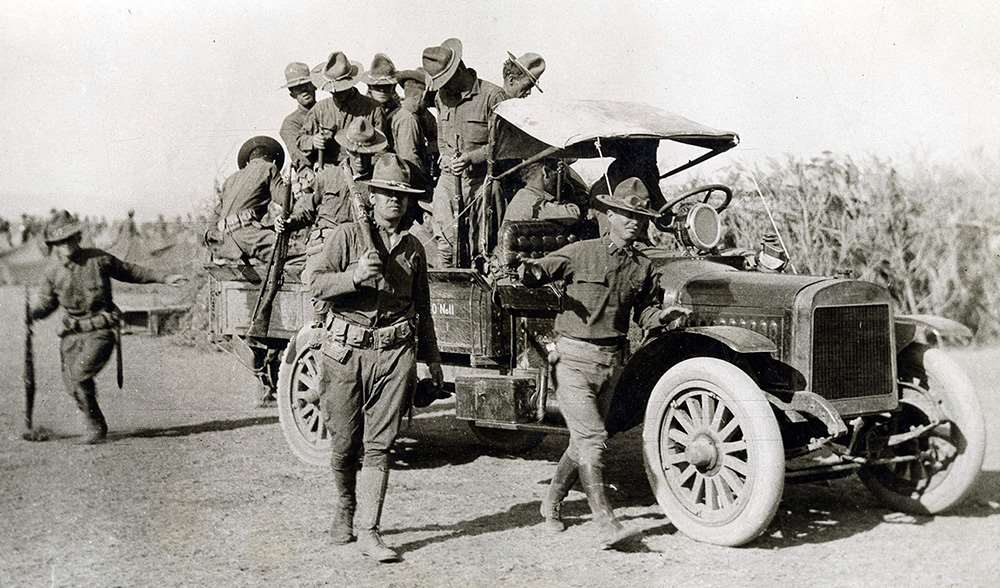
When morning came, the raiders were gone, chased some 15 miles back into Mexico by U.S. Army Maj. Frank Tompkins, leading two troops from the 13th Cavalry. Back in Columbus, the tragic accounting began. Eight civilians lost their lives that night, along with 11 American Soldiers. Several buildings were burned down, while homes and stores were looted. A growing rage gripped both citizens and Soldiers as the locals gathered up the bodies of the men Villa left behind. The dead Mexicans, 63 in all, were dragged about a mile east of Columbus, where the corpses were piled up, soaked with kerosene and burned. Some residents said the horrible smell lingered for months afterward.
Seven of Villa’s men were captured during the raid, and they were quickly tried. One was sentenced to life in prison. The others were hanged—two on June 9th, and the remaining four on June 30th.
Not everyone in Columbus fought back with a gun. Susie Parks, a 20-year-old telephone operator, stayed at the switchboard housed at The Columbus Courier newspaper. Throughout the battle, she kept her head—all while looking after her infant child—and placed multiple calls to bring help to the besieged town. The new technology of the telephone was her “horse,” and the reach of her voice echoed the efforts of Paul Revere.
The Guns of Columbus
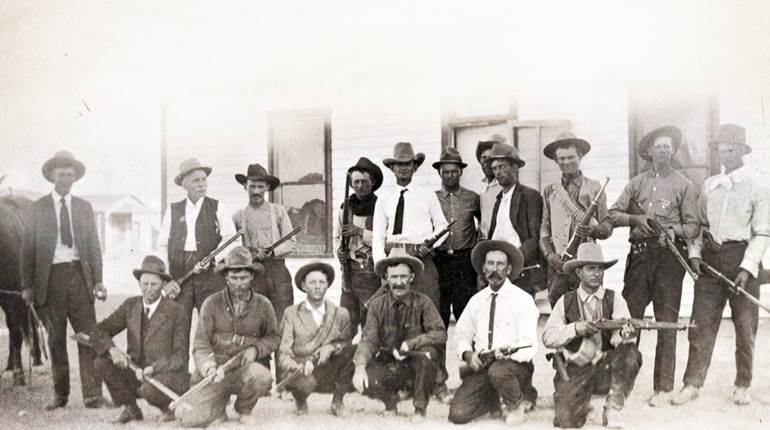
I found an old photo in the National Archives collection, captioned simply: “Citizens of the Home Guard.” Taken within a few weeks of Villa’s murderous raid, 18 men from Columbus, N.M, are shown posing with their rifles. Among the Winchester Model 1894 rifles and a few 7 mm Mexican Mausers is a lone M1903 Springfield rifle. Almost certainly, the M1903 rifle in the photo came from the “National Board for the Promotion of Rifle Practice (NBPRP).” The NBPRP was established by Congress on March 2, 1903, and after 1904, the board worked with the National Rifle Association to vet rifle clubs around the country and give qualified applicants the ability to purchase M1903 rifles, .30-’06 Sprg. ammunition and some related gear from a federal arsenal in their region. On Dec. 13, 1916, the office of the Department of Civilian Marksmanship was established, and the Civilian Marksmanship Program was administered by the NBPRP until 1996.
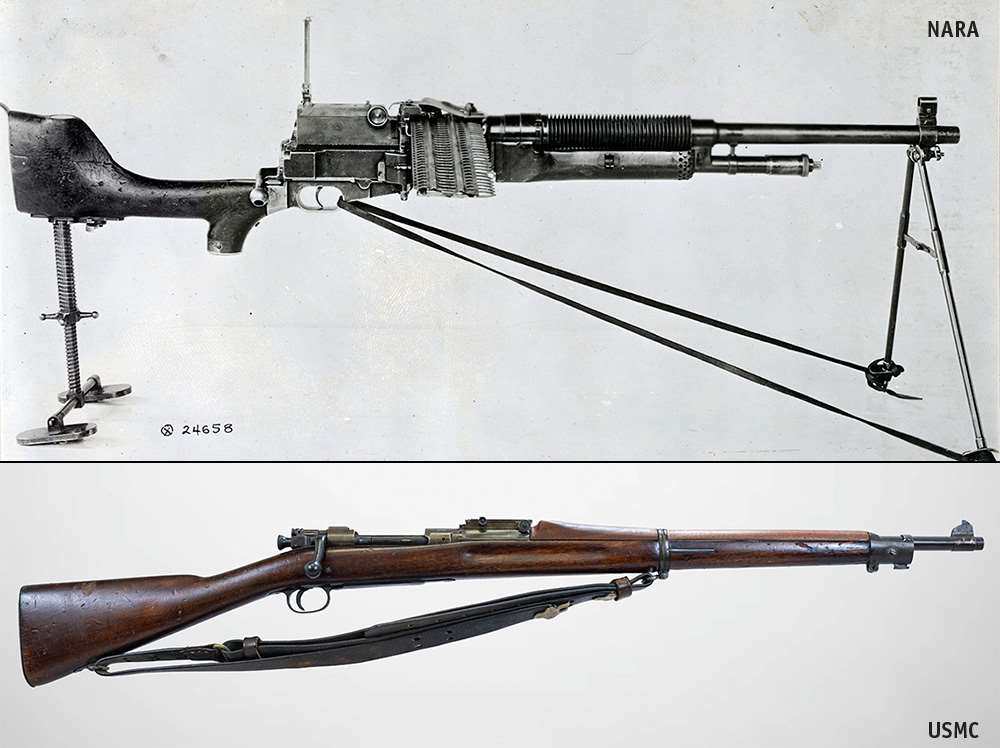
Americans were outraged by the attack on Columbus, and rightly so. Soon after Villa’s raid, there was a significant rise in Home Guard or Home Defense groups formed around the nation. But, there was a very limited supply of M1903 rifles while the United States was feeling a growing pressure to participate in World War I.
The July 6, 1916, issue of the NRA’s Arms and the Man discussed the question of providing modern M1903 Springfield rifles to American rifle clubs for the purpose of home defense. The following are excerpts from that article:
“When Pancho Villa crossed the Rio Grande to ‘shoot up’ Columbus, N. Mex., he touched quick flame to the tinder of anger which had been smouldering for months among the members of border civilian rifle clubs. News that American dead lay in the wake of the running fight which followed the bandit’s attack, brought overnight to the War Department a flood of large orders for service rifles and ammunition from members of the rifle clubs adjacent to the international river.
For a few days it seemed likely that these men, trained in the use of arms, contemplated taking the field in defense of their frontier as an irregular force. And, according to the belief expressed at that time by War Department officials, only the immediate issue of an order holding up the requisitions for rifles averted such a course. The order side-tracking the requisitions was followed within a few days by an official order of the Secretary of War, limiting the issue of weapons to clubs in this section, so that today all likelihood that an irregular force of sharp shooters armed with military weapons will spring up in the border towns has been averted.
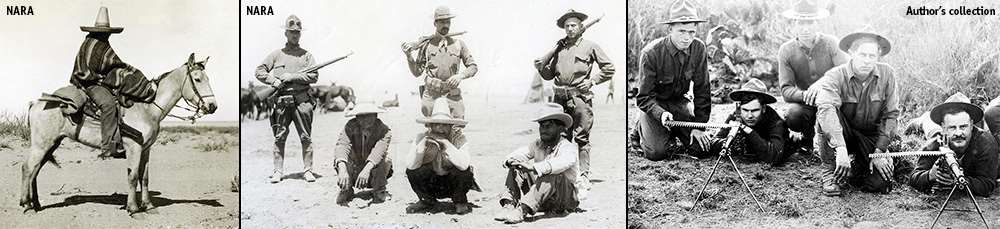
But while the situation held, it furnished a particularly interesting side light upon this latest of our Mexican troubles, and demonstrated beyond all doubt that the members of civilian rifle clubs are destined to show up well in ‘an emergency.’
When the offers of wholesale purchase of rifles came from the border clubs upon the heels of Villa’s visit, the War Department frankly admitted that if the clubs were permitted to arm, there might be men among the organizations who would shoot straight and quick upon any repetition of the bandit’s raid, and followed this up by side-tracking the requisitions, a storm of protest came from the border clubs.
Apparently overlooking the very important fact that inasmuch as Congress, in providing for the purchase of rifles by civilian organizations, had vested in the Secretary of War full power to regulate their distribution, the members of some of the clubs in the Southwest argued that they were being unfairly dealt with.
The War Department replied with a statement from the Secretary, who said: “The question of supplying arms to rifle clubs along the Mexican border has been submitted for the consideration of the Secretary of War, who has reached the conclusion that owing to the panicky state of mind of the citizens along the border, it would be inadvisable to place arms in the hands of any bodies of men excepting those who are under the severest discipline.”
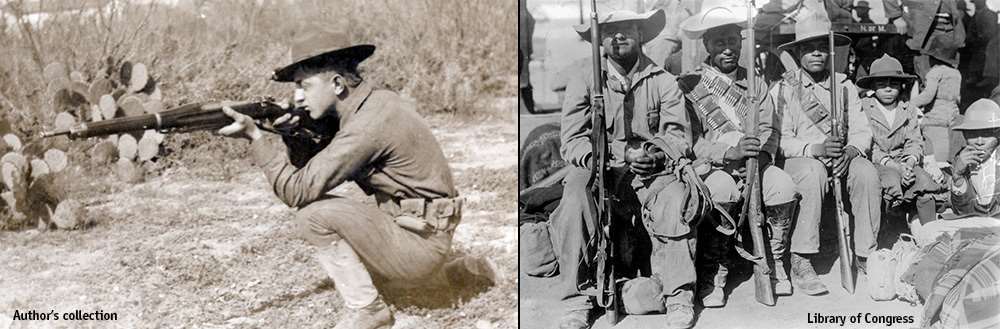
Among the clubs, which, before realizing the power vested in the Secretary to rule upon the question, took exception to the action of the War Department, was the Frontier Rifle Club of Pharr, Ariz. Members of this border-adjacent rifle club declared:
“The people down here are not children, but are cool-headed. We are not liable to be attended with panic, fright or anything else if we are in a position to protect ourselves; and this is simply a matter of the Government assisting the people on the border to arm themselves with good guns and ammunition instead of poor [ones]. The people on the border are already armed, even though some of them have only muzzle-loading shotguns. If we are backed by the Government to the slight extent of selling us guns and ammunition no longer used by the Army, and for which we are willing to pay, we feel that we will be able to give an account of ourselves.”
The NRA and the government agreed upon a solution, and this was rooted in remaining true to the original purpose of the program:
“The clubs were impressed with the fact that the law granting the privilege of purchasing ordnance supplies was for the “promotion of rifle practice only.’ Every assistance will be given to citizens who desire to perfect themselves in marksmanship, but at this time it is not the intention of the Association or the Government that the rifle club members consider themselves as armed citizens or volunteers. The clubs were cautioned to keep in mind the purpose of the organization—the promotion of rifle practice only. These statements operated to relieve the tension of the situation.”
America walked on the razor’s edge of war with Mexico as Gen. Pershing led the Mexican Punitive Expedition in pursuit of Pancho Villa. Careful attention was paid to calm and protect the communities along the southern border. The National Defense Act of 1916 (enacted on June 3) updated the Militia Act of 1903. Fifteen days after the National Defense Act was passed, President Woodrow Wilson called up the National Guard to assist the regular Army with the crisis on the Mexican border.
As for Columbus and the rest of New Mexico, the Annual Report of the Secretary of War for 1918-1919, with information provided by the Militia Bureau, shows that New Mexico created a home guard of seven companies, but no details about these units were available.