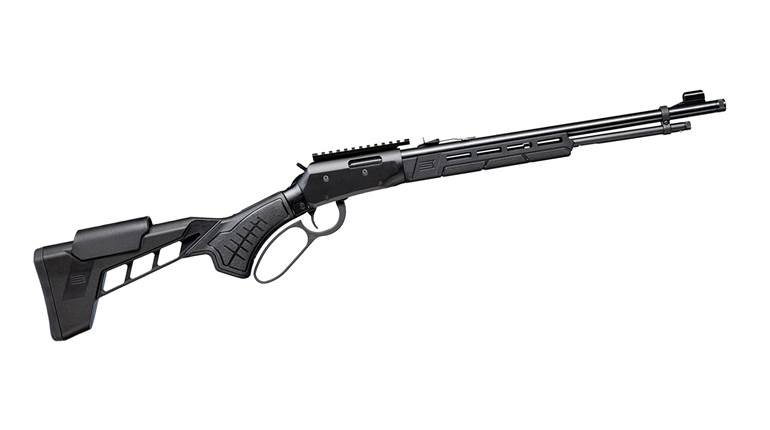
Every shooter has two grips living inside them, and most never realize it until they are exposed by a timer. One grip is built for applause, the sub-second draw, the clean first shot, the illusion of total control. The other is built for consequence, the second, third, fourth and everything that comes after recoil starts demanding enduring muzzle control. The problem is a majority of shooters only train one of them, and it’s the wrong one.
You see it all the time. Clean presentation, lightning hands, gun gets out, sights flash, pew. It looks good. It feels good. The timer agrees. But the grip that got you your first hit was never built to survive anything beyond that one round. It was braced, not built. It's good enough to pass the circus trick, but not the one reality is about to test.
Here’s the part that gets ignored: Recoil doesn’t care about your draw speed. Physics doesn’t care about your hit time if your fire-control stability collapses under pressure. The moment the gun cycles, everything you thought you had either holds or it doesn’t. And if it doesn’t, you’re already behind. That’s the tale of two grips. The one you think you have, and the one that actually survives.
Most shooters, whether they admit it or not, train the draw as a one-shot event. They chase speed to get out of the holster, rush to extension and settle for just enough stability to fire one round. They build a grip that’s fast to acquire but not built to endure. Then they’re surprised the second shot doesn’t land where the first one did. When transitions feel like wrestling an alligator back into alignment under movement or time, it’s not a failure of “accuracy” but of stability.
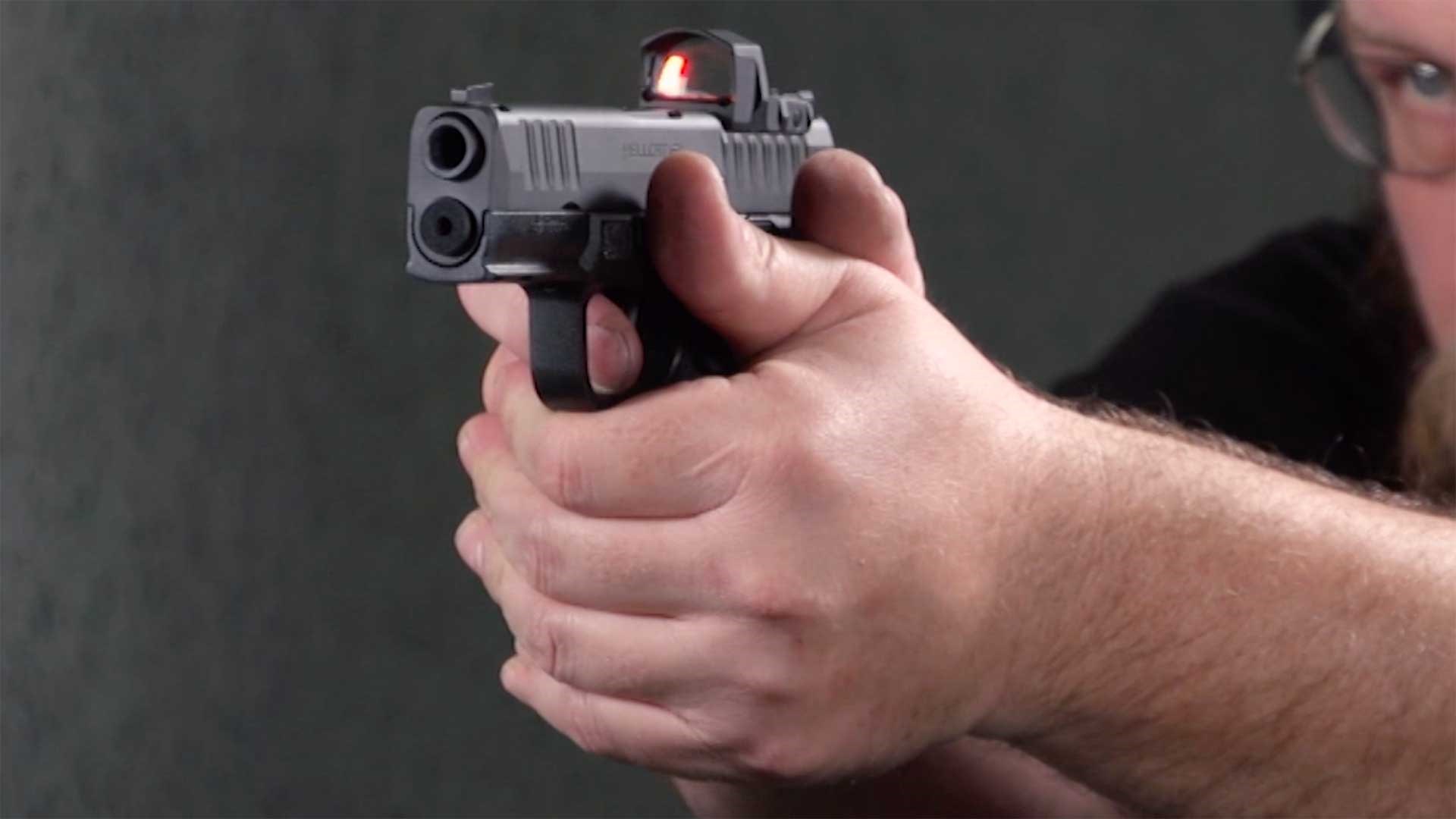
Tier-one shooters don’t play that game. They don’t separate the first shot from the rest of the string. They don’t build a “draw grip” and then upgrade it on the fly. The grip they establish on the gun is the final grip from the get- go. No mid-flight adjustments like changing grip pressure or hand position. If it needs fixing midstream, it was wrong from the start.
What separates them isn’t that they grip harder. In fact, that’s where most people go wrong. They hear “control” and translate it into “crush the gun” which creates tension, the destroyer of performance.
A strong hand does its job, but it doesn’t strangle the gun. It allows the trigger to move without interference. The support hand does heavy lifting stabilizing the platform, applying consistent pressure that shouldn’t change. The moment pressure changes, the resulting destabilization translates as input to the gun, which alters muzzle alignment and results in a missed shot.
This is where most shooters fool themselves. They think they’re adjusting to the gun, adapting and making corrections. What they’re actually doing is chasing instability they created. You don’t outshoot it. You can only build something that doesn’t need fixing.
That’s where the idea of a “signature grip” comes in. One that fits your specific physical profile, hand size, strength and position. Finding your own personal grip can take time. You try variations. Some parts of it work, and some don’t. You refine again. Over time, what survives becomes your signature not because someone told you it was right but because it proved itself by being successfully repeatable.
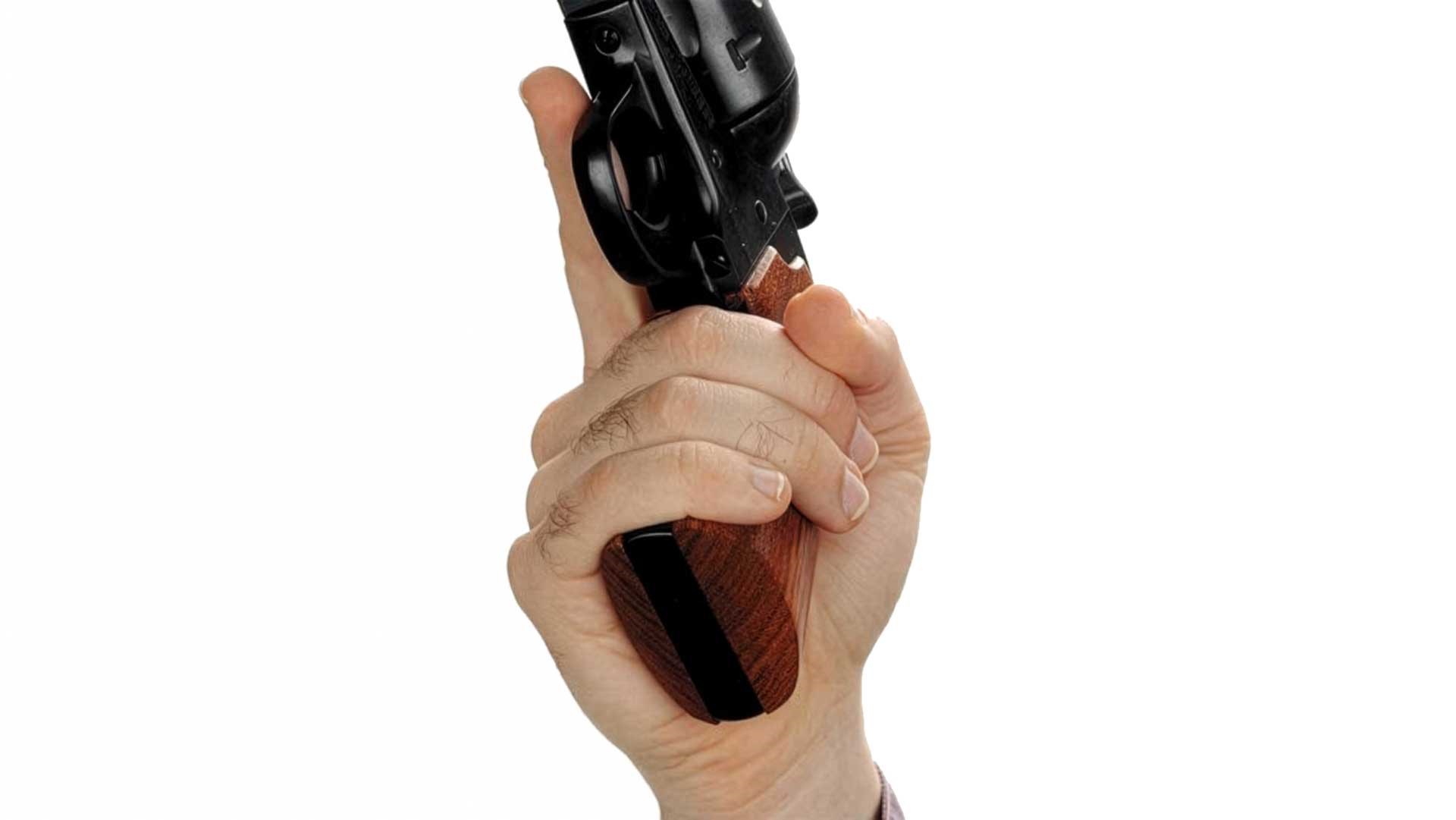
And once it’s there, it doesn’t change much. It's just like a signature you’ve written for years. There are small tweaks, maybe, but the stability stays.
All the pros say the same thing; build your grip early. Get there ahead of the gun. By the time the sights matter, the muzzle is stable. Stability first and then alignment. When you’re stabilized early, transitions are less bumpy, and realignment seems effortless.
It’s a trade most shooters are unwilling to make. They want the fast first shot and the stable string. They want both without paying for either. But it doesn’t work that way. You either build a grip that survives or you keep rebuilding it during recoil. Reconstruction always costs more than building it right the first time.
You can watch the wheels wobble if you know where to look. Not on the first shot but after the rise, recovery and realignment phase of recoil. If you need to muscle it all back, your grip didn’t hold. That’s not a visual focus or a trigger control problem; it’s stability breaking down under stress.
It doesn’t matter whether you’re on a competition stage or in a defensive scenario. The physics don’t change. The gun cycles the same way. The requirement is the same: Whatever you build has to survive.
The solution is simple. Implementing it isn’t. You build the final grip early every time. You don’t accept “close enough” on the draw. If it’s wrong, fix it before the shot, not after. You train it dry until it shows up in live-fire.
You test it under longer strings, not just single rounds. You pay attention to what breaks, not what works once. In the end, there’s only one grip that holds. The only time it should ever change is when the gun goes back in the holster.
Most Popular