by
Support NRA American Rifleman
DONATE
** When you buy products through the links on our site, we may earn a commission that supports NRA's mission to protect, preserve and defend the Second Amendment. **
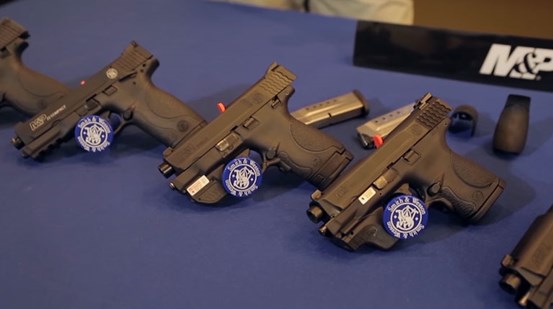
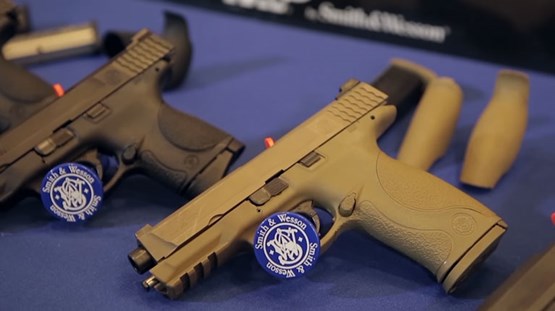
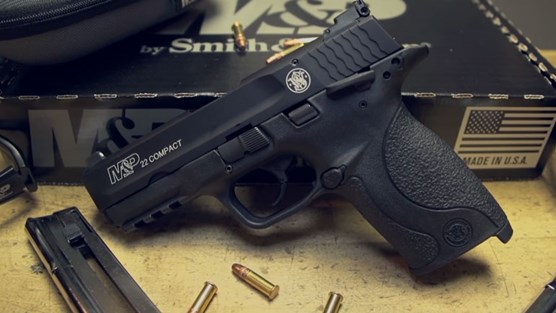
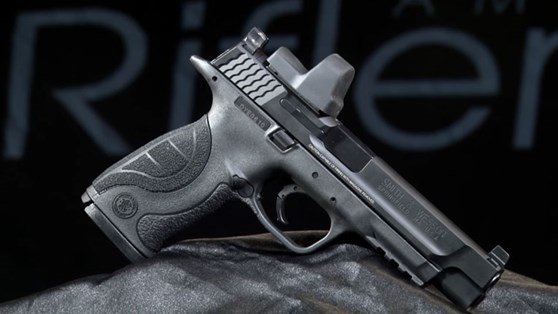
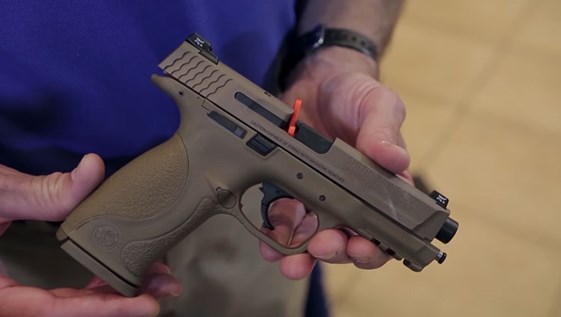
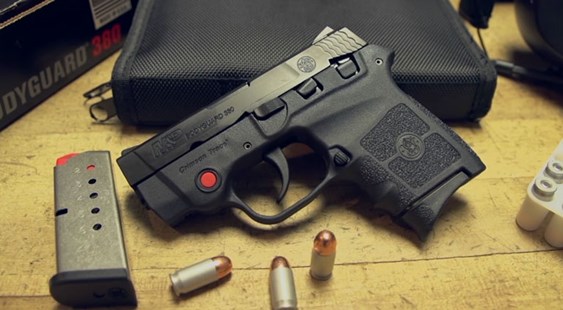
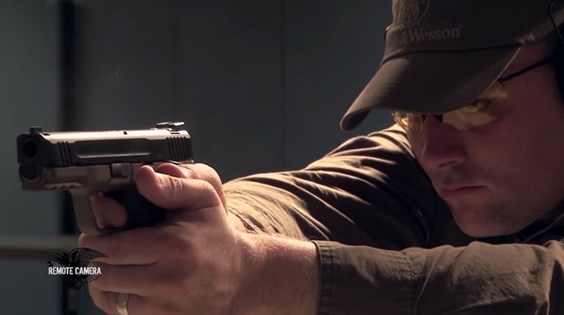
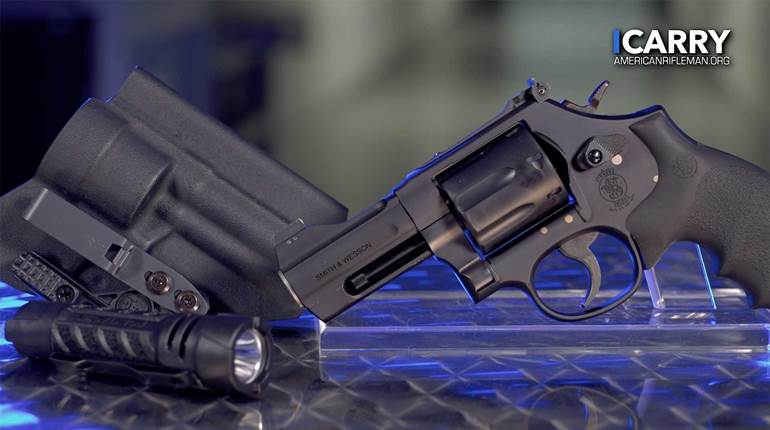
Smith & Wesson's M&P line traces its roots all the way back to 1900 and its original Military & Police .38-cal. revolver, with the Model 10 being the longest and continuously running production firearm in the world. Over the years, the company has expanded its M&P line, with modern iterations including the Bodyguard .380 ACP, the Shield, the M&P9 or 40 Compact as well as the M&P45, with many having the option of Crimson Trace laser grips. After the line's introduction, it saw wide adoption to this day by law enforcement agencies across the world, as well as with consumers. To learn more about the evolution of the Smith & Wesson M&P brand of pistols, check out this feature segment from a recent episode of American Rifleman TV. For all-new features like this, tune into ARTV Wednesday nights on Outdoor Channel.