by
Support NRA American Rifleman
DONATE
** When you buy products through the links on our site, we may earn a commission that supports NRA's mission to protect, preserve and defend the Second Amendment. **

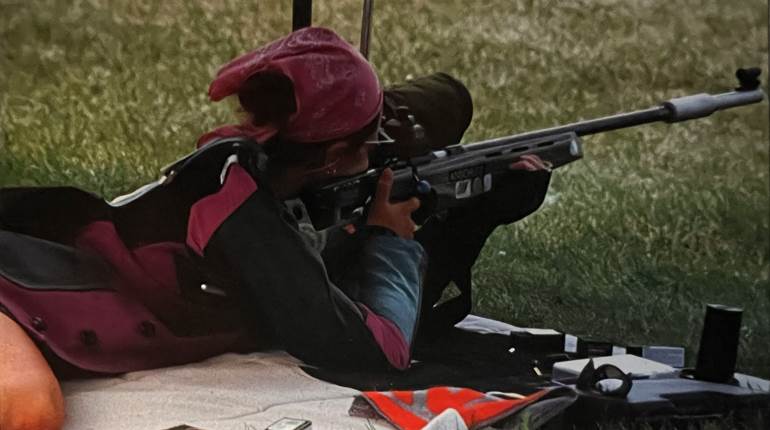
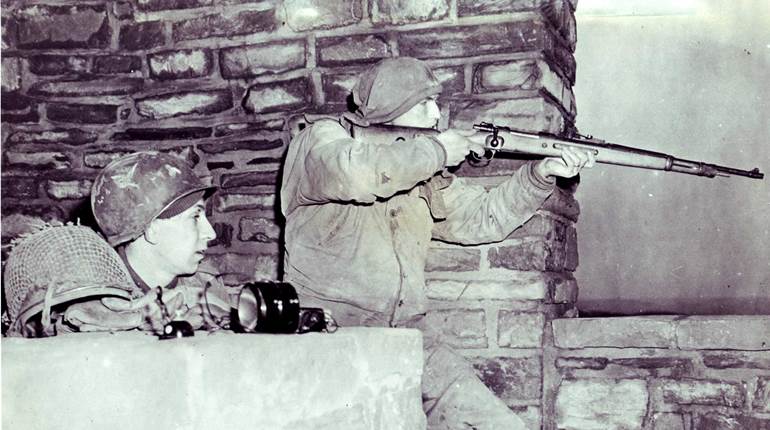
When it comes to sniping, Major John L. Plaster, USAR (Ret.), is an authority not only on the modern, practical side—he is the author of "The Ultimate Sniper" after all—but he is also the top author and historian when it comes to the history of snipers and the equipment they used. In this presentation, Major Plaster will discuss and show imagery of the snipers, their tactics and their equipment from World War II. He will cover both Allied and Axis armament, training and tactics of snipers in the Pacific and European Theaters of Operations. When it comes to the war in Europe, he will cover both the Eastern Front as well as snipers in France and Italy. Attend the American Rifleman Special Presentation,"Sniping in World War II," at the NRA Annual Meetings & Exhibits in Dallas, Saturday, May 5, 2018 (1:30 p.m. to 3:30 p.m., Room C140 and 142) to find out more. Regular session attendees know the seats fill up fast, often rendering the event Standing Room Only. In other words, get there early!
Most Popular