by
Support NRA American Rifleman
DONATE
** When you buy products through the links on our site, we may earn a commission that supports NRA's mission to protect, preserve and defend the Second Amendment. **
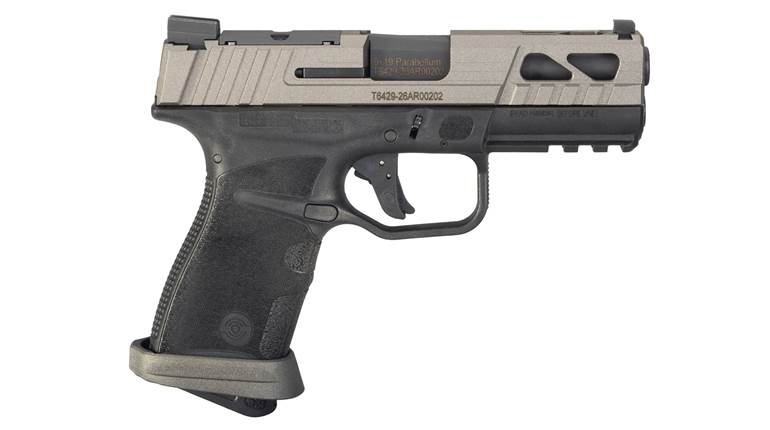
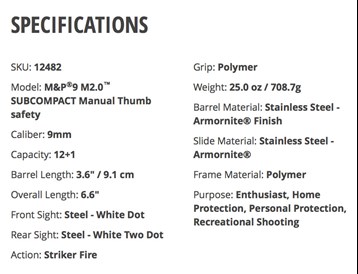
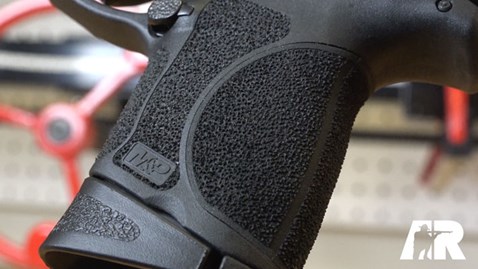
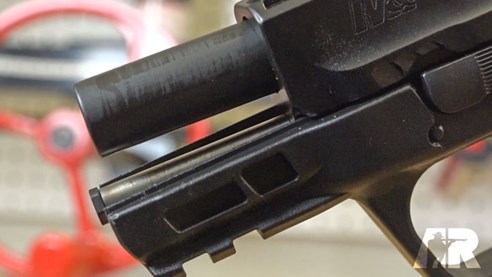
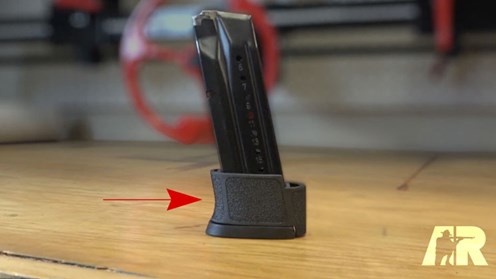
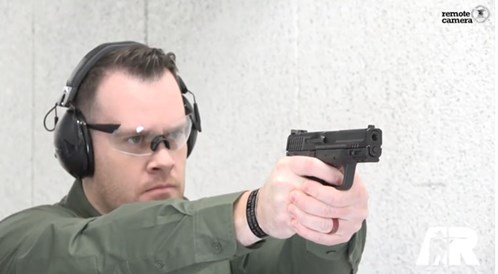
Less than a year after the M&P 2.0 Compact was awarded American Rifleman’s 2019 Golden Bullseye for “Handgun of the Year,” Smith & Wesson has homed in on the concealed-carry market, introducing a subcompact model to this popular family of pistols. The M&P M2.0 Subcompact features a 3.6” barrel and is offered in three ehamberings—9 mm, .40 S&W and .45 Auto—and is replete with the full array of enhancements offered on the Full Size and Compact models, including aggressive textured grips and lighter trigger pull, with a tactile, audible trigger reset. The pistol ships with four interchangeable palmswell grip inserts and two magazines. And like the Compact model, the package includes two magazine extender sleeves for use with M2.0 Full Size and Compact magazines. MSRP is $569. American Rifleman’s Joe Kurtenbach recently met up with Smith & Wesson Media Manager Matt Spafford to check out for the first time the 12+1 capacity M&P9 M2.0 model. Watch the video to learn more about this pistol as we send some rounds downrange. For more, visit smith-wesson.com.
Additional Reading:
Smith & Wesson Announces $50 Rebate on M&P Shield Pistols
Tested: Smith & Wesson's M2.0 Pistols
American Rifleman's 2019 Golden Bullseye Awards
Additional Reading:
Smith & Wesson Announces $50 Rebate on M&P Shield Pistols
Tested: Smith & Wesson's M2.0 Pistols
American Rifleman's 2019 Golden Bullseye Awards