Nearly 90 years ago, the Battle of Shanghai introduced the world to the horrifying brutality of modern urban combat. Prior to the hellscape of Stalingrad, the fighting in Shanghai showcased man's inhumanity to man on a grand scale within China's largest and most modern city, years before World War II. By the time the Battle of Shanghai was over, nearly 200,000 Chinese were killed or wounded, along with almost 50,000 Japanese. Most modern weapons were used in the battle, including poison gas, deployed by the Japanese 13 times by their own admission.
The Second Sino-Japanese War began with the Japanese invasion of Manchuria during 1931. At that point, few westerners paid attention to what they considered "an Asian problem." By July 1937, international attitudes had changed dramatically. China was an international arms bazaar, particularly for small arms. The size of the opposing forces had grown, as well as the scope of the battlefield. In the summer of 1937, the Japanese threatened Shanghai, China's largest and most modern city, and the fifth largest in the world. Some historians believe that the Chinese government welcomed a pitched battle in "The Pearl of the Orient," putting their cause on display for the many westerners residing in Shanghai's large international settlement.
Chinese troops were reasonably well-equipped for the era, although their logistics were impossibly complex. Their performance in combat varied from indifferent to incredibly aggressive. Their Japanese opponents were unrelentingly brutal. Even so, the soldiers of the Rising Sun were shocked by the Chinese ability and willingness to resist. The Japanese expected to take Shanghai in a few days, with all of China falling to them soon after. After three months, the Japanese and most of the international observers were shocked by their slow progress and stunned by the carnage.
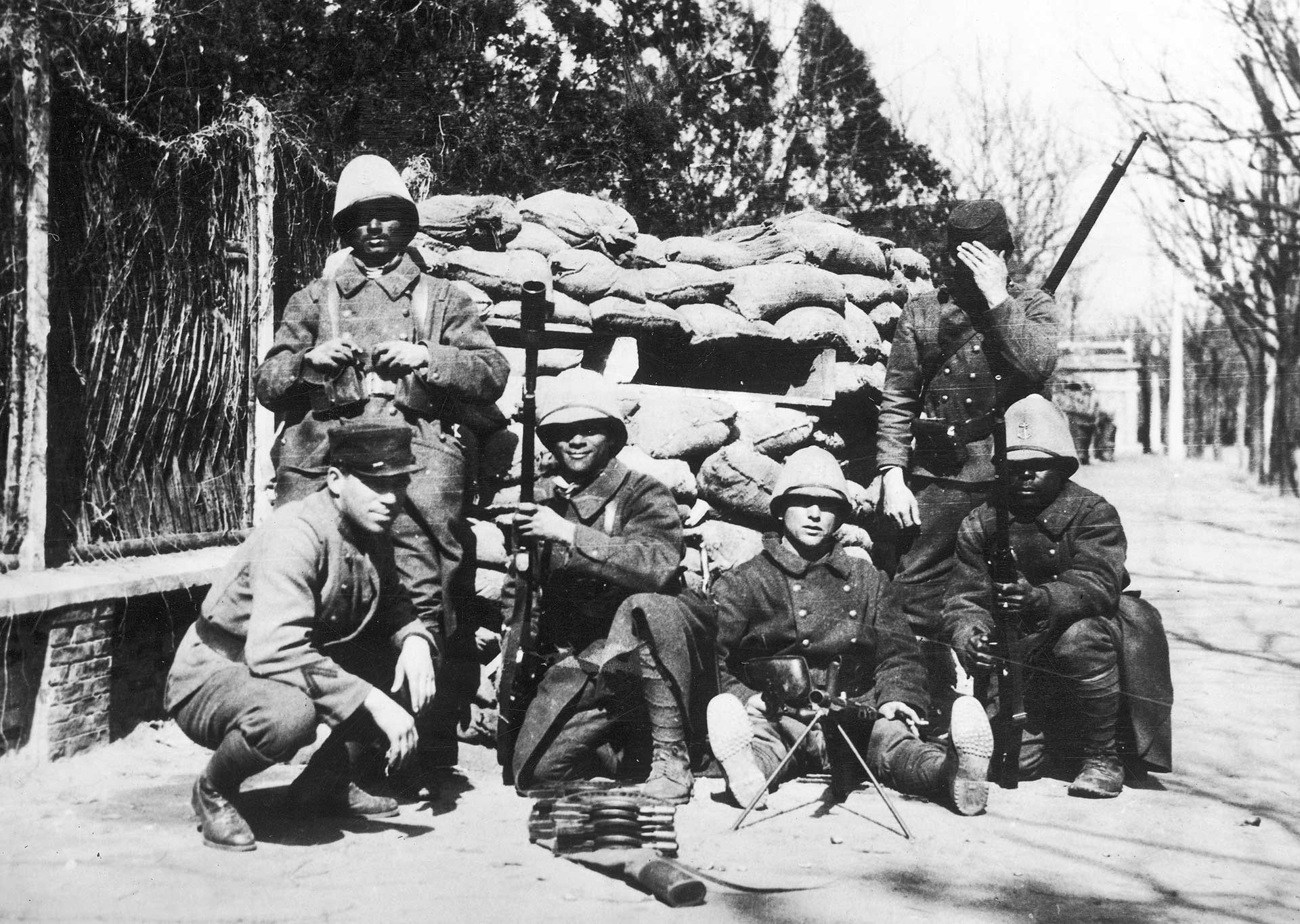
The Shanghai Incident of 1932
The combatants had been here before. The Shanghai Incident (also known as the January 28 Incident) saw intense fighting between Chinese and Japanese forces within Shanghai's International Settlement. Consequently, most western nations had a front row seat to Chinese vs. Japanese hatred. Between January 28th and March 3rd, the two nations' enmity was on full display, and both sides suffered more than 3,000 men killed. There were also about 10,000 Chinese civilians killed. The USA, France and England all worked to protect their significant investment in Shanghai by brokering a ceasefire, but none were successful. Finally, in a rare success for the League of Nations, the Shanghai Ceasefire Agreement was signed on May 5, 1932. Shanghai became a demilitarized zone, and China was forbidden to station troops in or around Shanghai. Yet several Japanese military units were allowed to remain in the city. With anger and bitterness firmly entrenched in Shanghai, the city moved into its uncertain future.
Asia's Urban Battleground
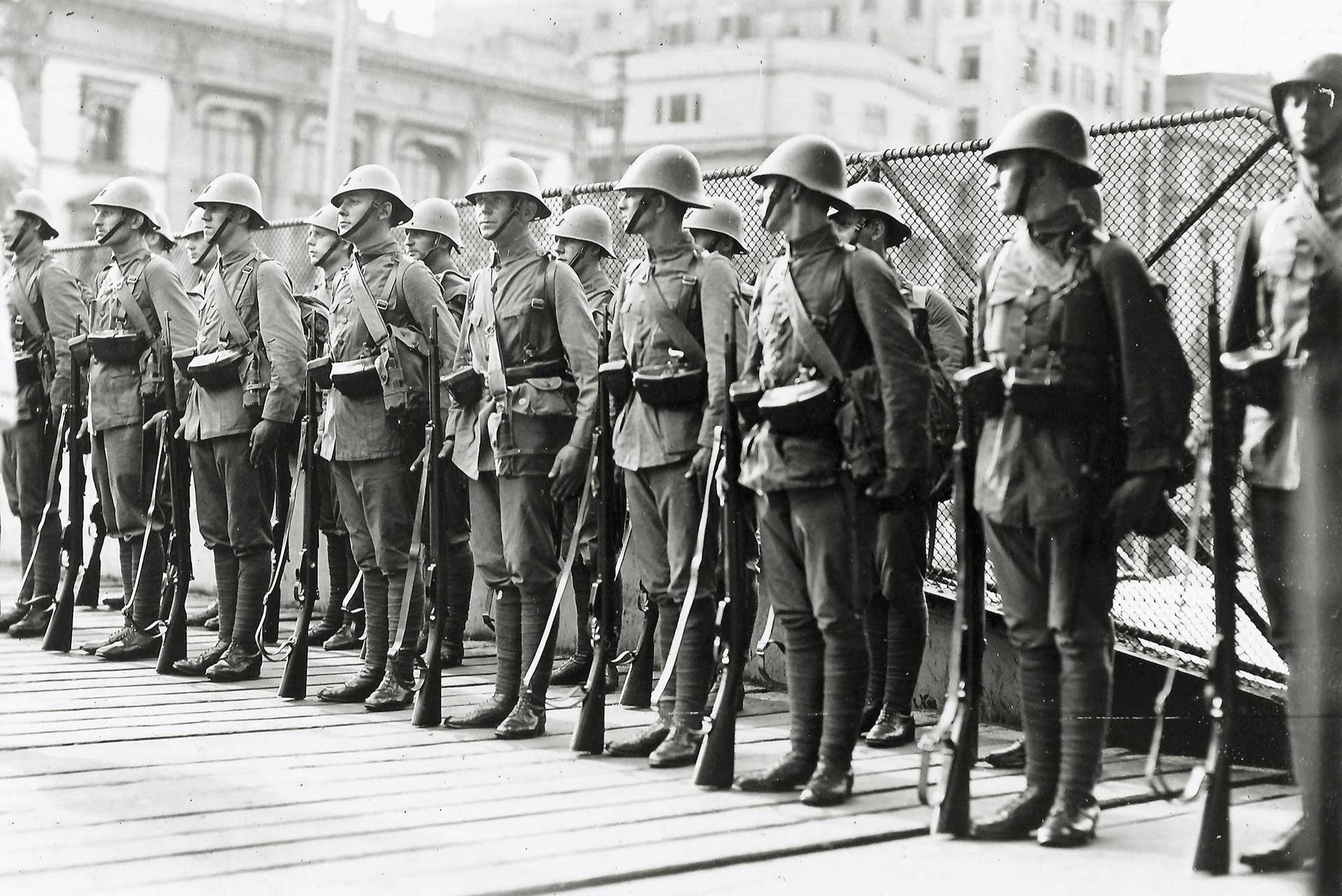
On Aug. 14, 1937, Chiang Kai-shek, chairman of China's Military Affairs Commission, and the Chinese government issued the "Proclamation of Self-Defense and War of Resistance." The Battle of Shanghai began immediately after. For the next three months, the opponents battled in central Shanghai, throughout its suburban towns and along the shores of the Yangtze River.
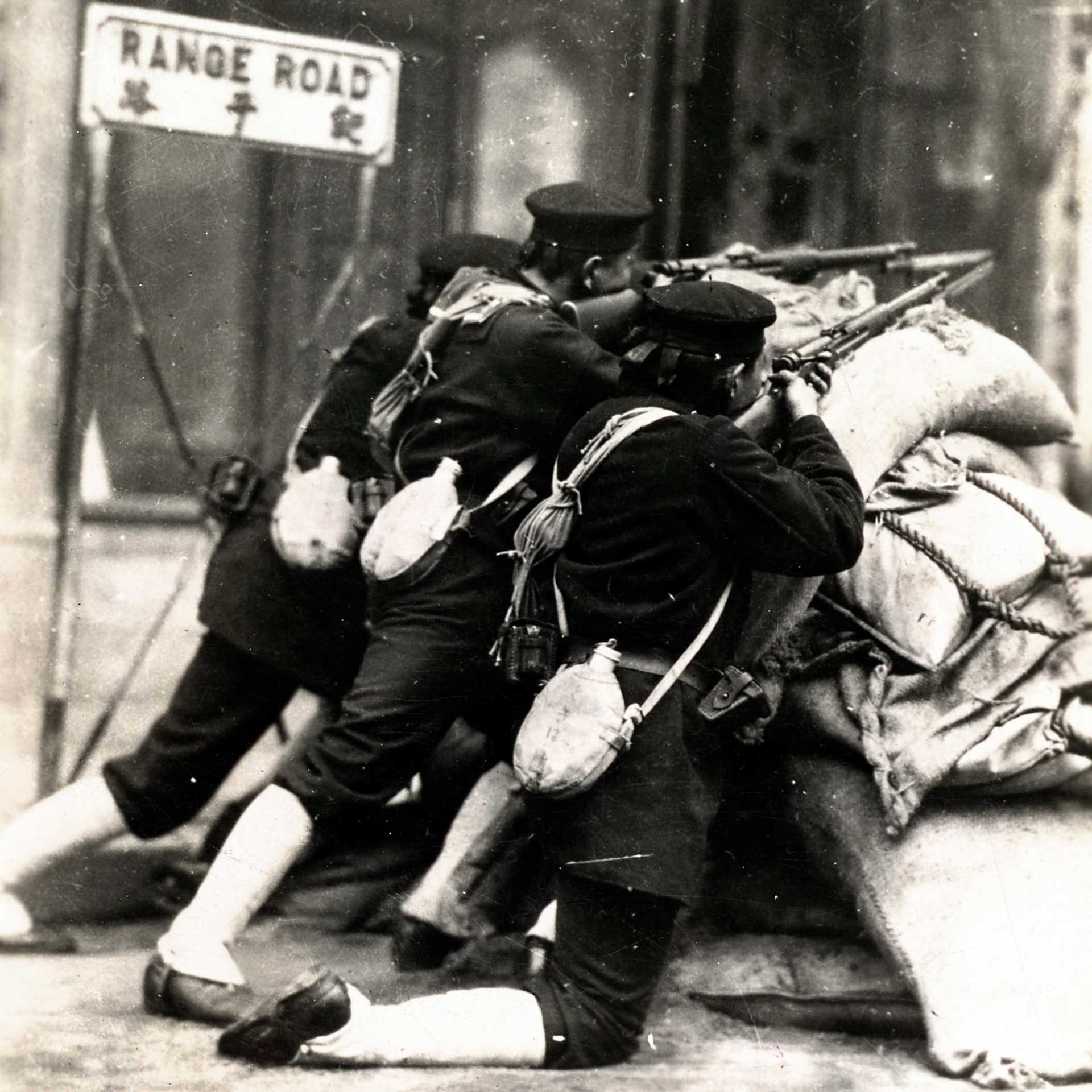
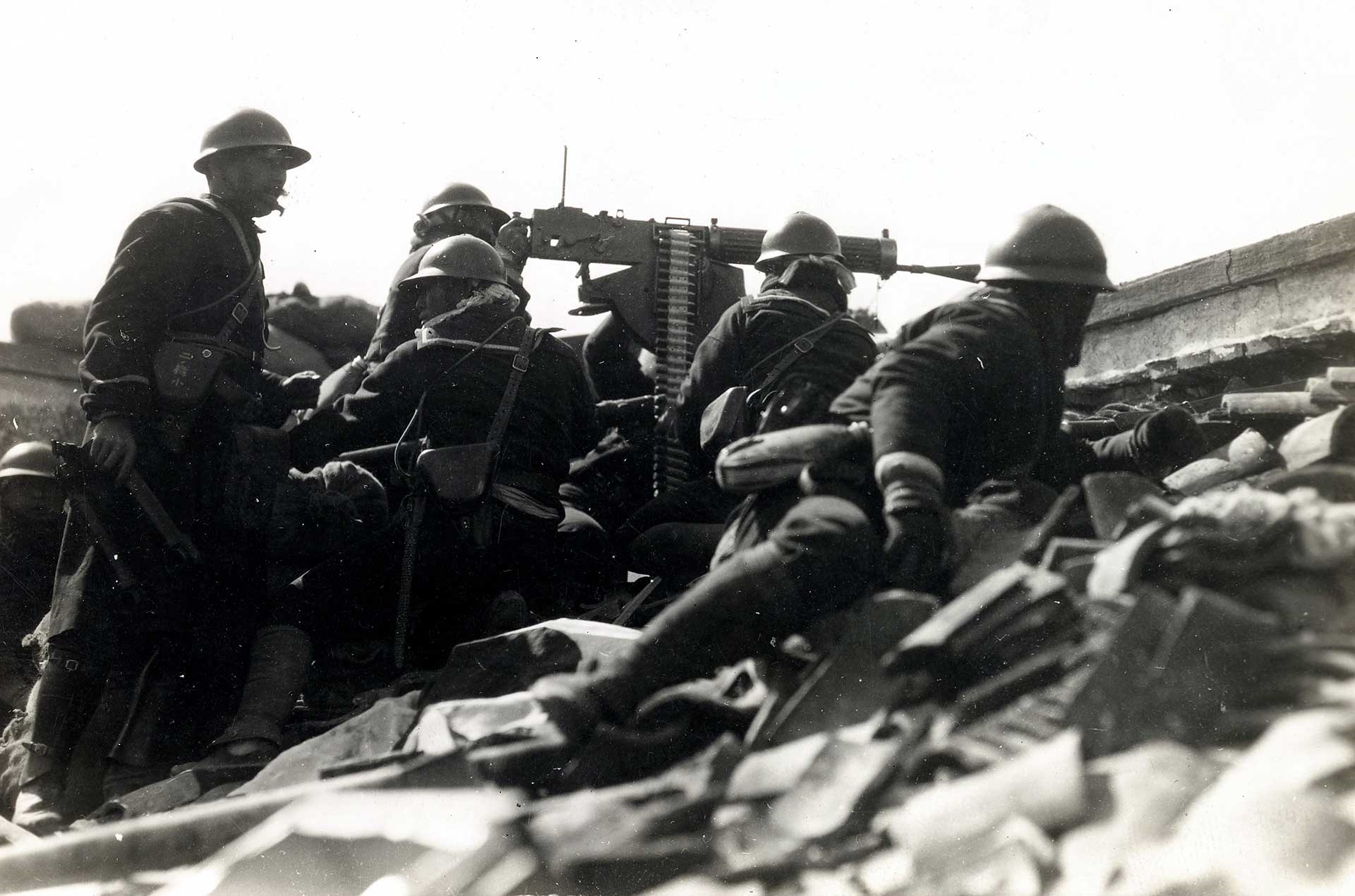
The Japanese Special Naval Landing Forces (SNLF), often called Japanese Marines by western observers, adopted a defensive posture in the downtown area and built heavily fortified positions with concrete and barbed wire. Heavy machine guns and direct-fire light artillery covered the approach routes, along with plentiful snipers in surrounding buildings. The Japanese Third Fleet provided naval gunfire support from their moorings in the Huangpu River.
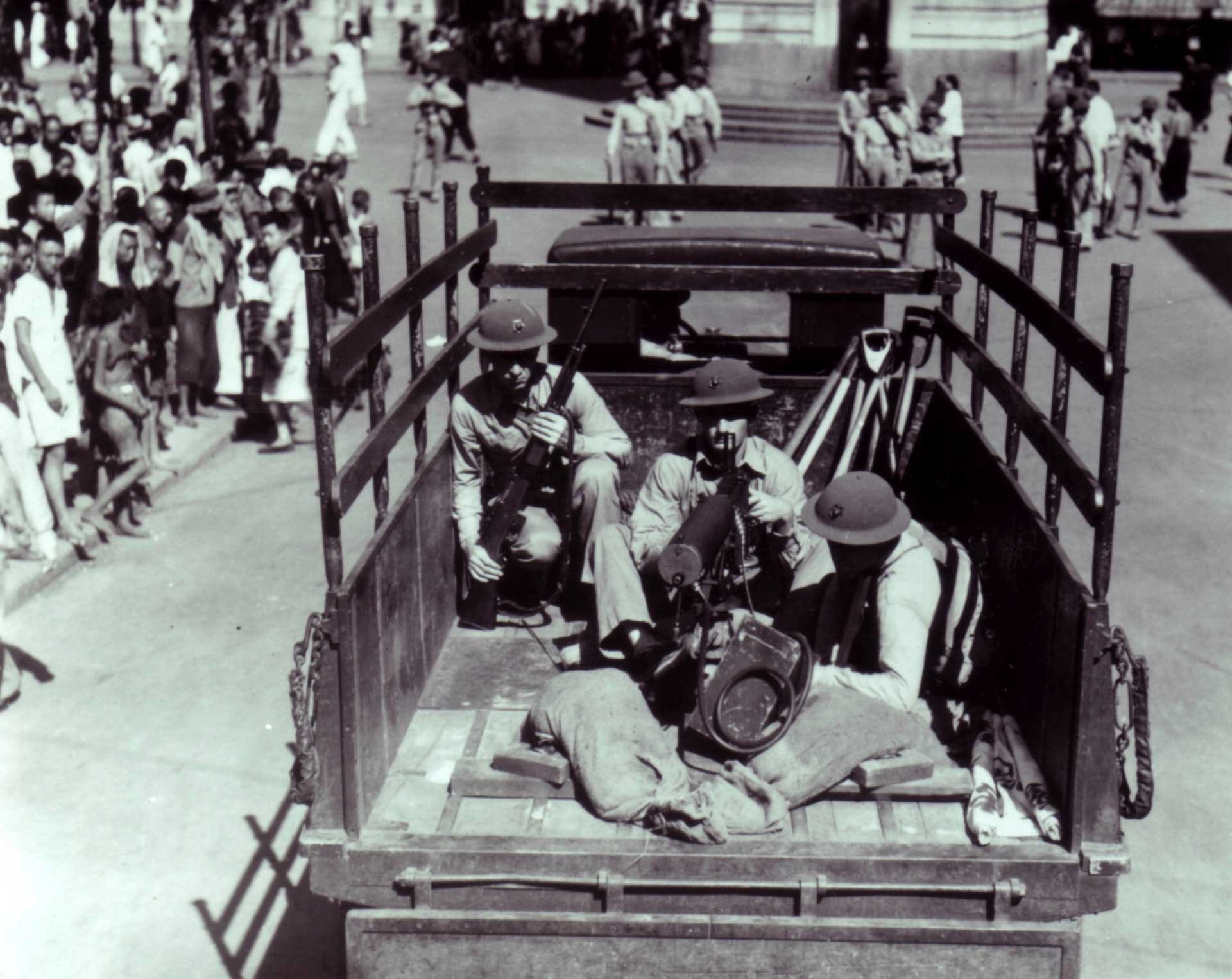
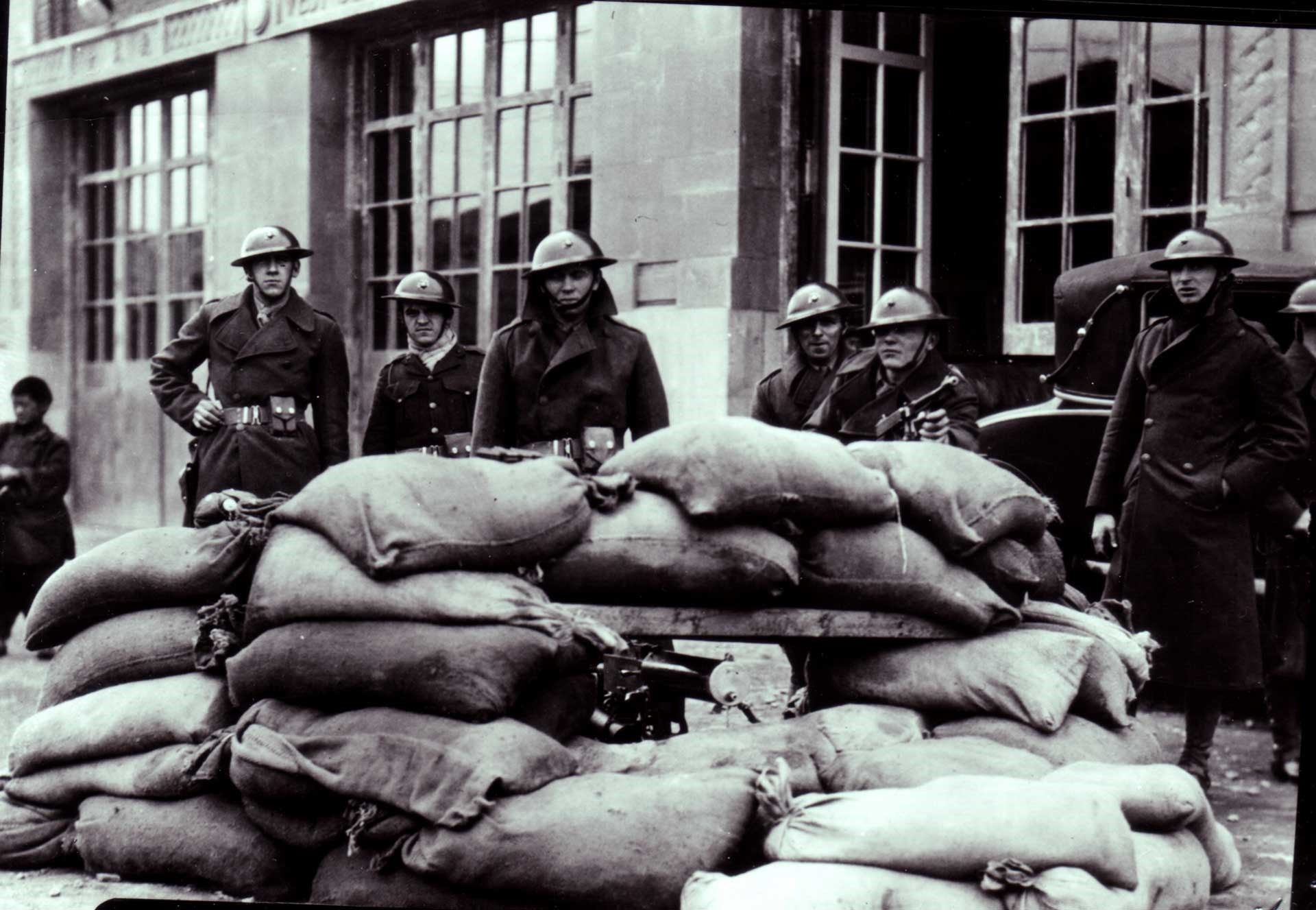
The Chinese assault carried to the edges of the Shanghai International Settlement, where the intense fighting was observed by several western journalists. American journalist Edgar Snow, a correspondent for the Saturday Evening Post, later recalled in his book, The Battle For Asia (1941): "It was as though Verdun had happened on the Seine, in full view of a Right Bank Paris that was neutral; as though a Gettysburg were fought in Harlem, while the rest of Manhattan remained a non-belligerent observer."
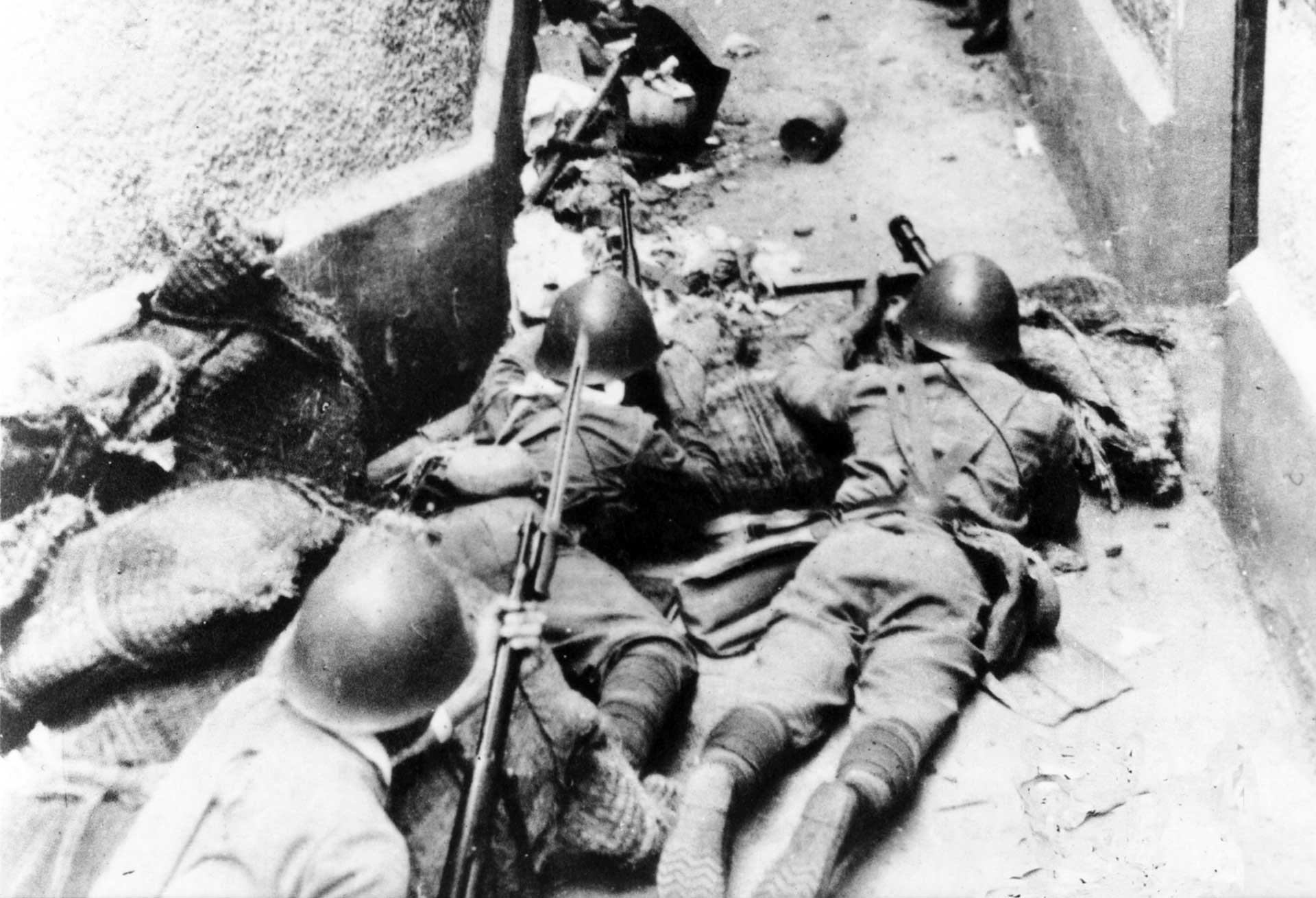
An example of the extreme nature of the urban fighting can be found in an ill-fated attack by the 2nd Assault Battalion of the Chinese 215th Regiment as 300 troops attempted to flank a Japanese position on Kunming Road in Shanghai's city center. The Chinese assault group crowded into an adjacent alley and were trapped by machine gun positions at one end while a pair of Japanese tanks sealed off the other. The Japanese then used flamethrowers to set the buildings on either side of the alley ablaze, and the entire Chinese force was massacred.
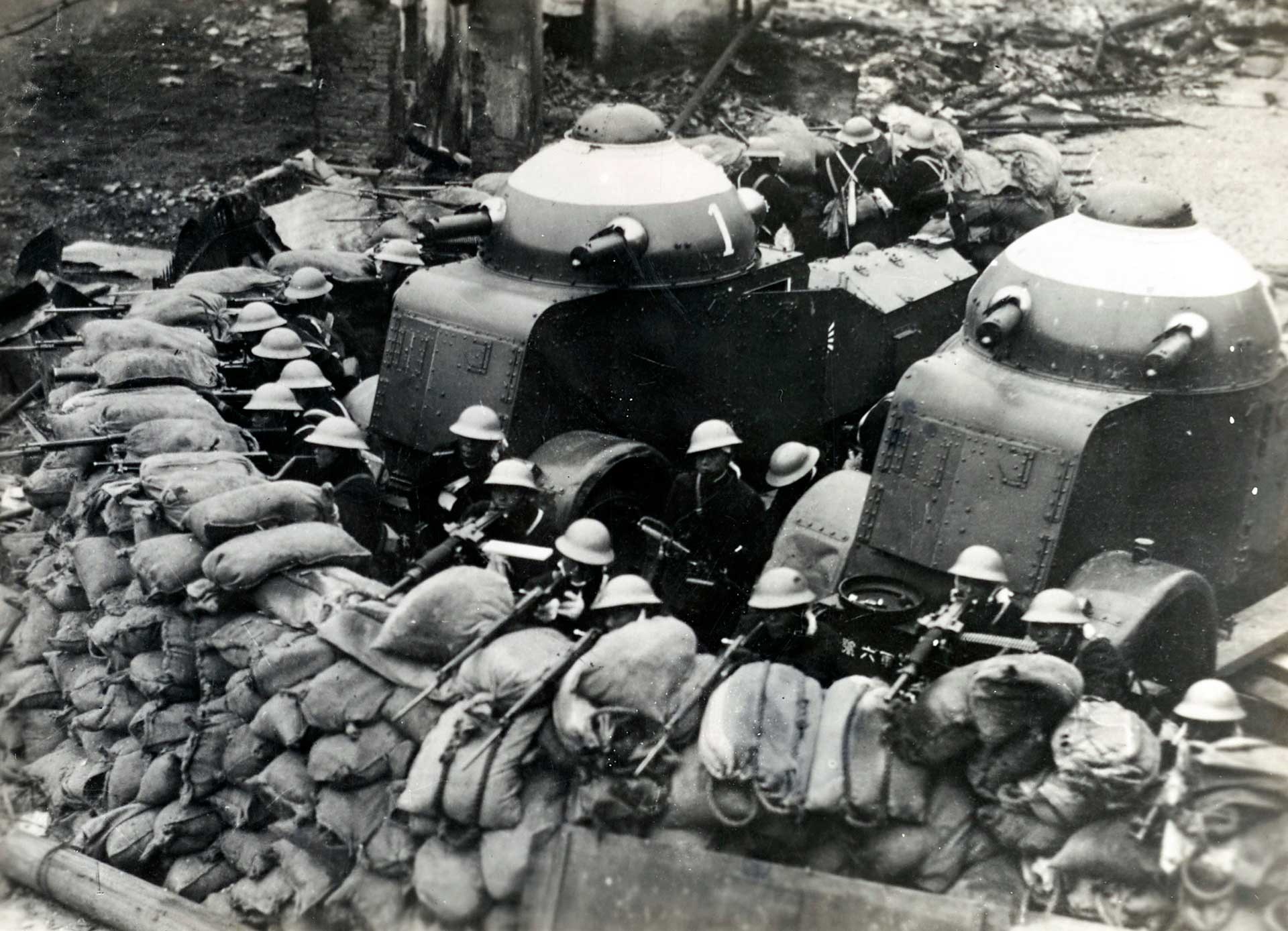
Both sides employed armored vehicles in the urban battleground, but no one had experience in coordinating tank and infantry attacks. Chinese tanks (mostly British-made 6-ton tanks) often outran the infantry they were to support and were then knocked out by Japanese artillery firing point-blank. Lacking heavy weapons, Chinese troops improvised anti-tank methods. Some men became suicide bombers, carrying satchel charges they threw themselves underneath Japanese tanks, detonating man and machine in an instant. Japanese troops would later use the same suicide technique against U.S. Army tanks during World War II.
Chiang's "Germanized" troops, better equipped and trained than the rest of the Chinese national army, fought fanatically as they advanced street-by-street to the banks of the Huangpu. But the Japanese defenses held, and their continuous naval bombardment tore the Chinese to pieces. The Japanese Special Naval Landing Forces could not be dislodged.
"Their Only Prize Was Death"
After the Chinese failed to dislodge the SNLF from the center of Shanghai, the fighting moved to the marshy areas north of the city. Additional Japanese landings followed, along with more than two months of bitter house-to-house fighting, but little changed other than the horrifying tally of casualties on both sides.
By late October 1937, the Japanese finally gained the upper hand. To avoid being encircled, Chinese troops began to withdraw towards Nanjing (at that time the Chinese capital). And while the battle of Shanghai lasted three months, the Chinese national nightmare lasted much longer. Japanese reprisals were brutal, and their executions of prisoners were frequent. The world watched while Shanghai bled.
The Japanese Mindset of Aggression
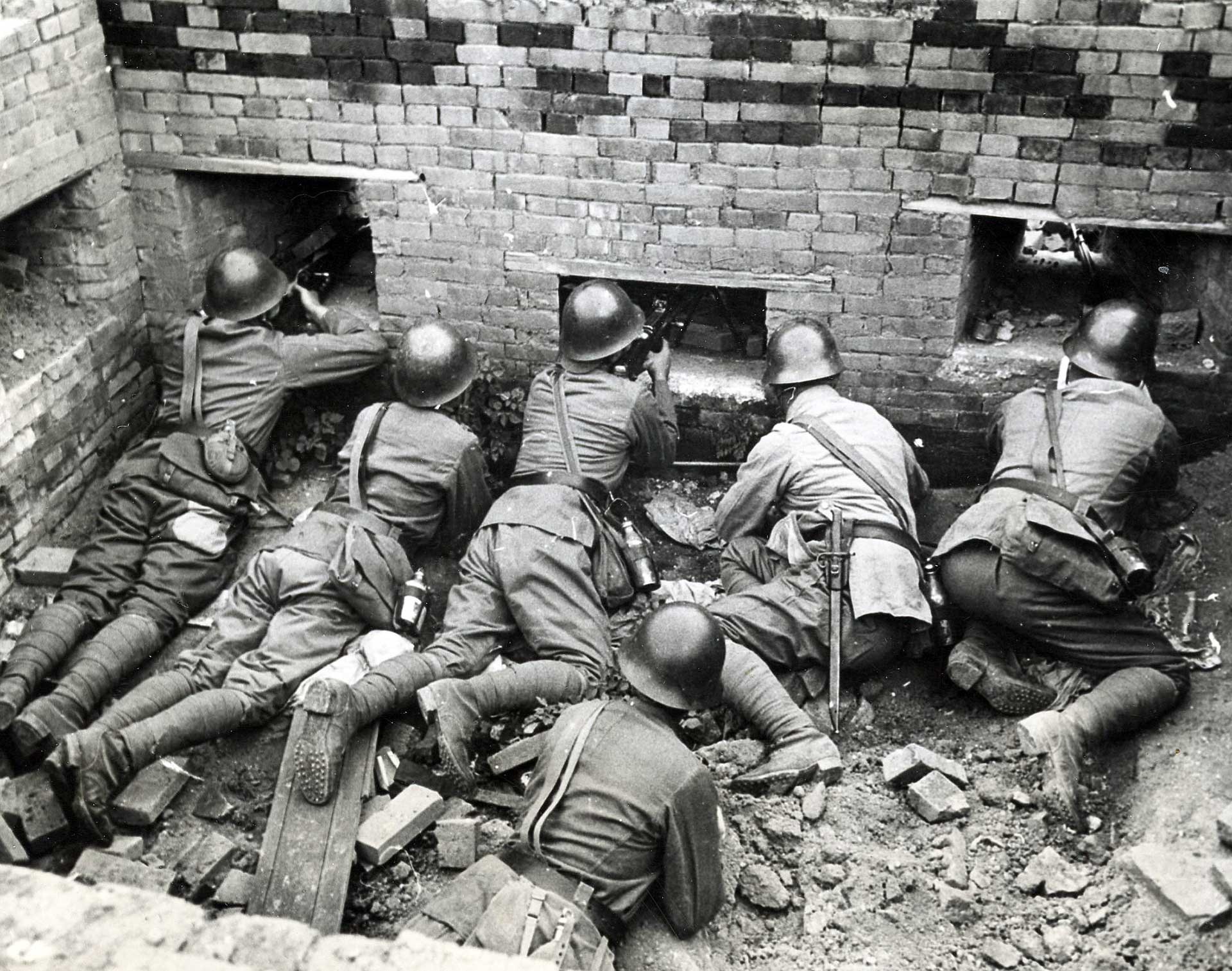
Japan sought to strike first and to always maintain their offensive momentum. Their core belief was that aggression would win the battle. Consequently, Japanese troops were imbued with a powerful martial spirit, a belief in their own superiority and a relentless appetite for destruction that regularly manifested itself as unspeakable cruelty. Throughout the Imperial Japanese Army (IJA), there was tremendous faith placed in the infantryman, his rifle and his use of the bayonet.
Japanese army standards were high at the time; all conscripts were literate and physically fit. Their training was rigorous, with combat preparation lasting up to 11 months. The Emperor's expectations were lofty, and as Japan's supply lines grew longer and more vulnerable in the expanses of China, Japanese troops were expected to provide for themselves by living off the land—and the local population. Throughout the Sino-Japanese War, the IJA maintained a significant firepower advantage, particularly in artillery. Japanese aircraft ruled the skies, and the Chinese could make few significant moves without being observed.
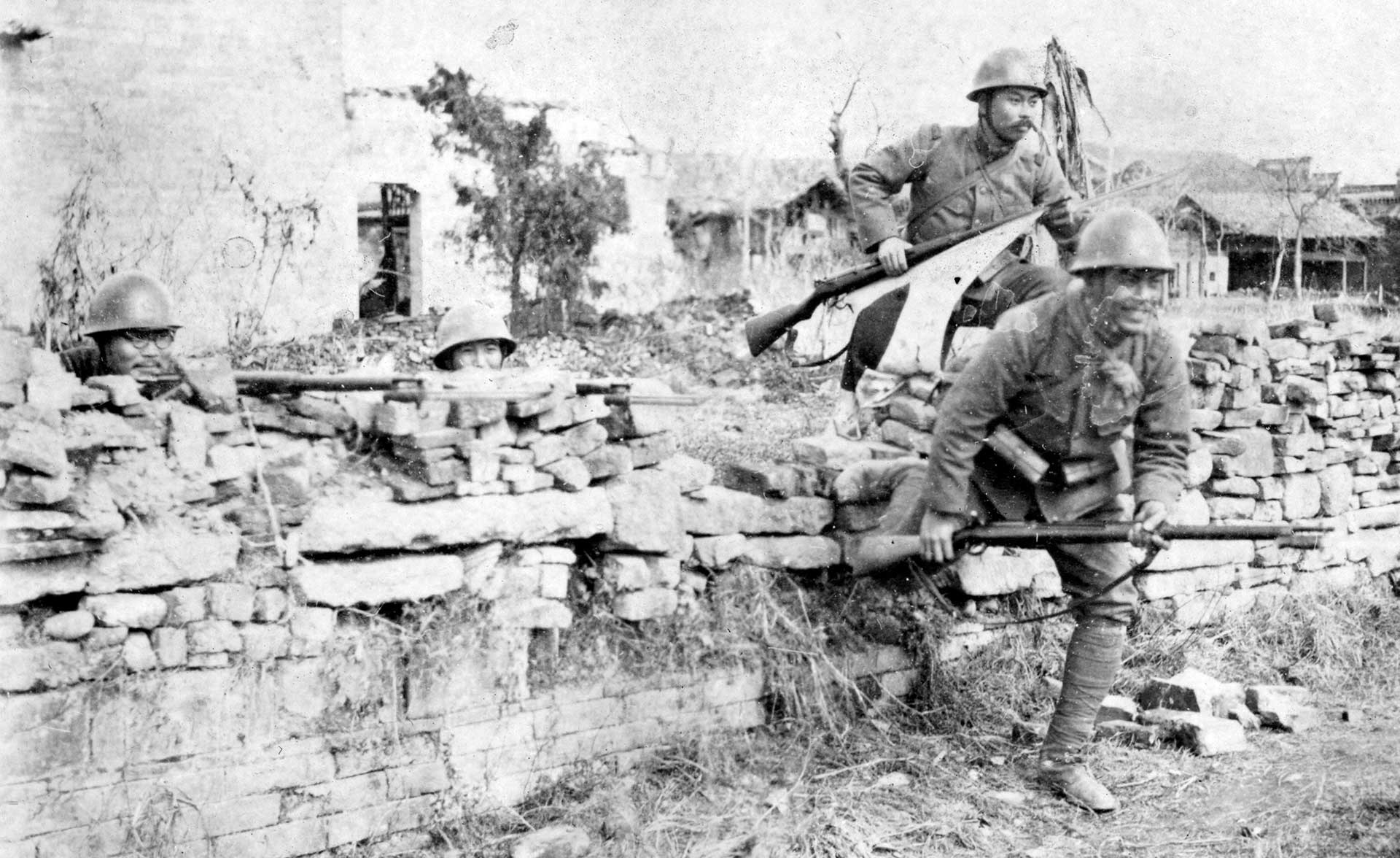
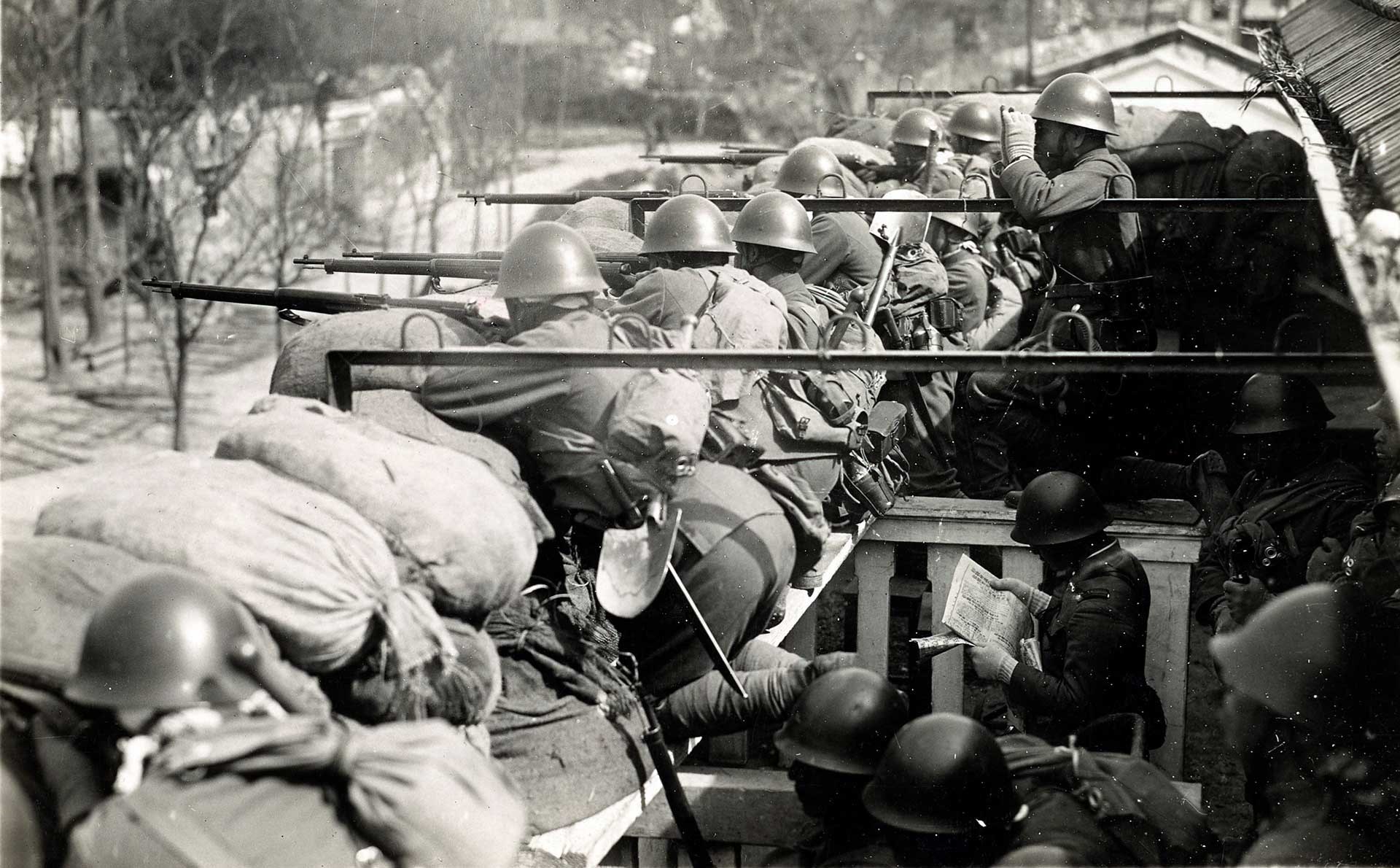
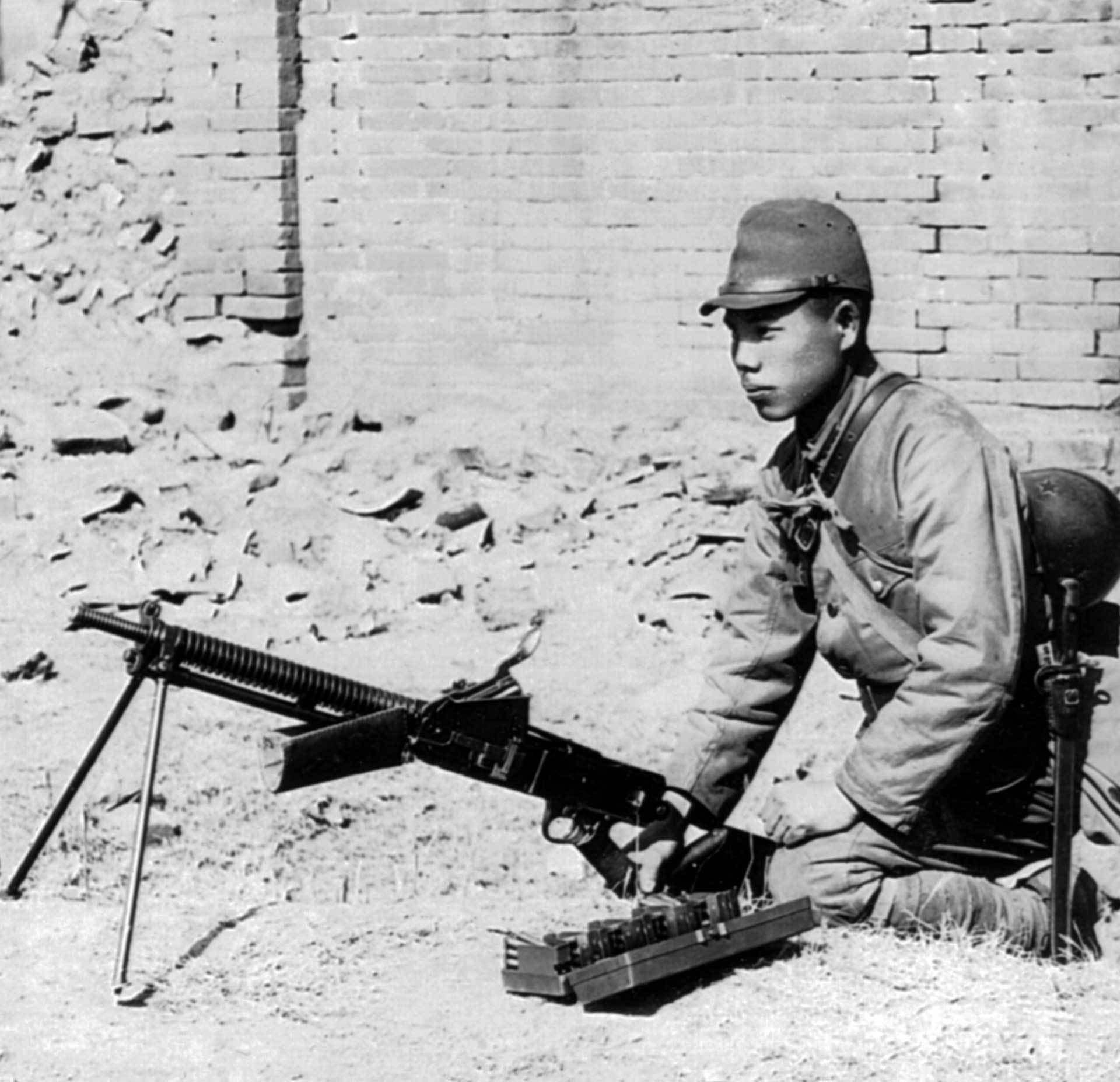
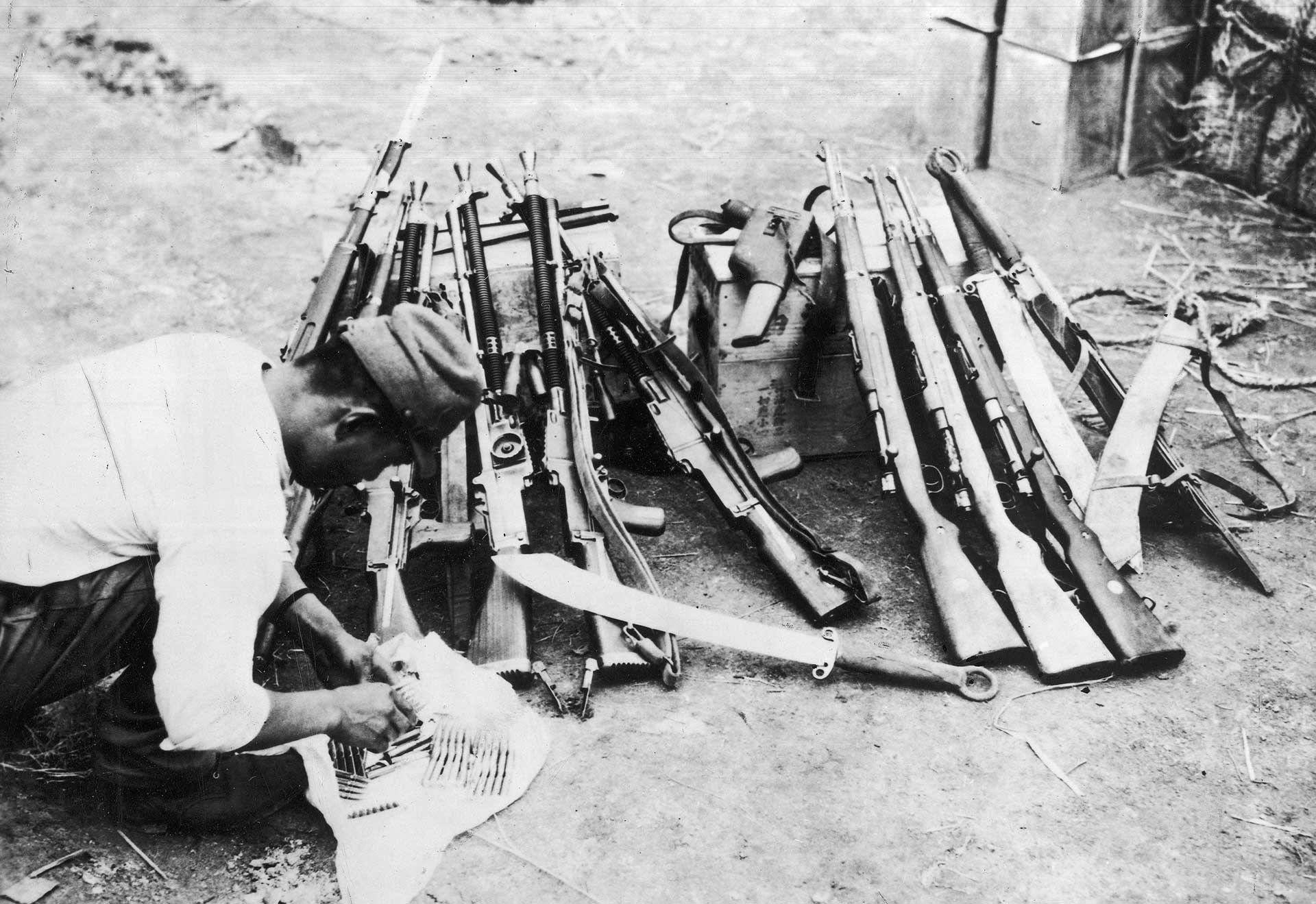
Japanese small arms in the 1930s may not have been exotic from a technological standpoint, but they were reliable and effective. Compared to the Chinese logistical nightmare, Japanese standardization greatly eased small arms supply and repair. In 1937, each IJA rifle squad had one NCO and 12 riflemen armed with Arisaka Type 38 rifles (6.5x50 mm) equipped with a 15.75-inch Type 30 bayonet. Mobile fire support came in the form of the Type 11 light machine gun (6.5x50 mm), fed by a unique 30-round hopper system using five-round rifle stripper clips. One of Japan's most effective infantry arms was the Type 89 50 mm grenade discharger (10.5 pounds). Often overlooked by Western observers in China, the Type 89 would become highly respected by Allied troops during World War II.
Japan's heavy machine gun was the Type 3 HMG, a weapon based on the Hotchkiss M1914 design. Fed by 30-round feed strips, the Type 3's low cyclic rate (450 rpm) created a staccato firing signature that earned it the nickname "woodpecker."
In the battle of Shanghai, the Japanese Naval Landing Forces debuted the "Type BE" submachine gun, the designation given to the Swiss SIG M1920 (7.63x25 mm Mauser) they purchased in small numbers. The Swiss SMG was a fantastic small arm that offered excellent short-range firepower (the Chinese used them as well), but the cost was prohibitive. Japan would never fully commit to the submachine gun as an infantry weapon, even in the midst of World War II.
An International Arms Bazaar
By the time the battle of Shanghai began, almost every military firearm of the 1920s and '30s was available to some extent in China. Consequently, there was a great deal for foreign military experts to observe and remark upon, but the war in China provided a particularly strange context.
During the bewildering Warlord Era of the 1920s, the Chinese had become devotees of short-range automatic firepower. This brought a wide range of automatic pistols and submachine guns from Europe into China. Weapons like the Mauser Schnellfeuer pistol (a C96 variant), the Thompson submachine gun and the SIG Bergmann submachine gun were all greatly prized but were also prohibitively expensive. Consequently, the Chinese began to copy several key designs to meet their expanding needs.
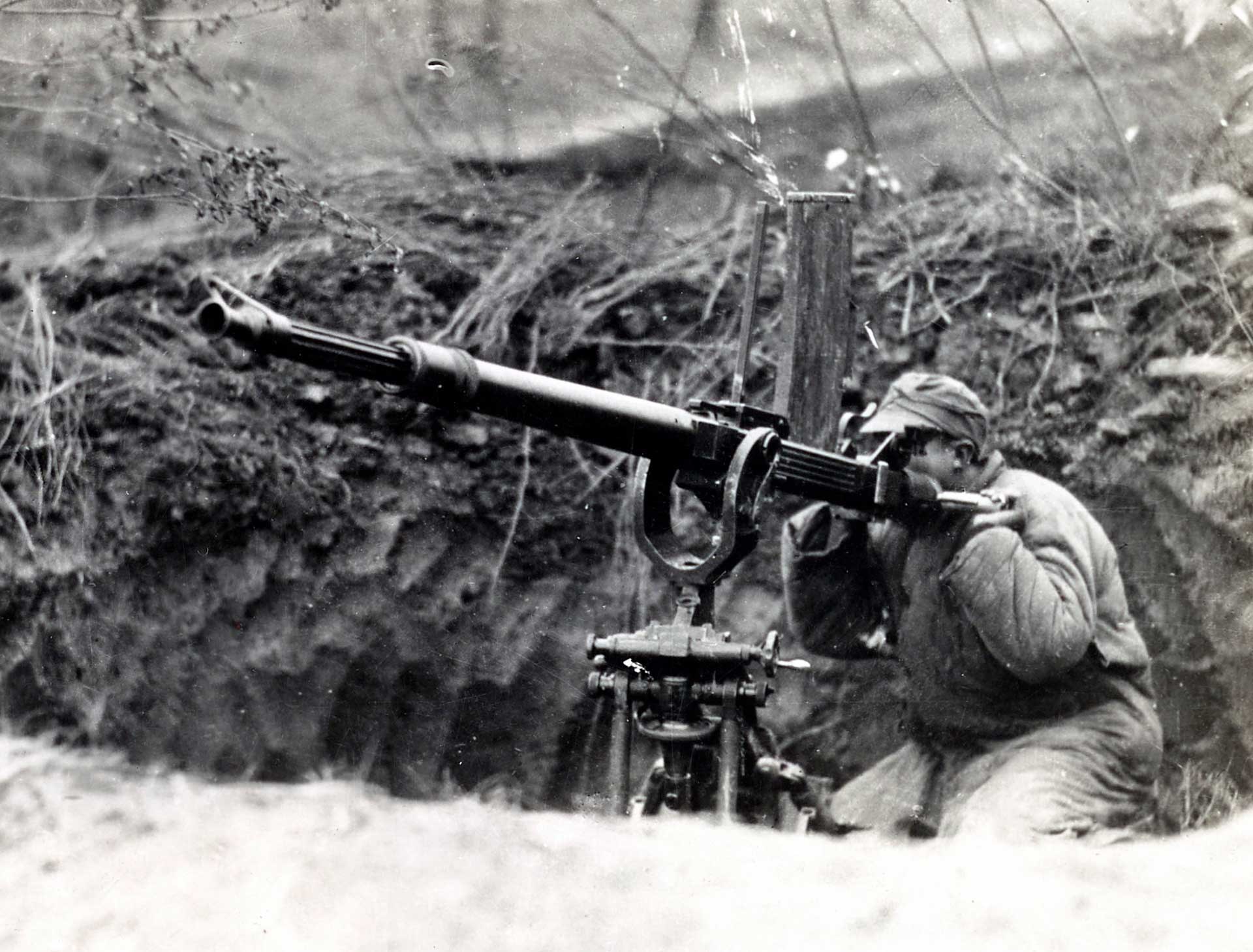
Local arsenals produced a significant number of Thompson SMG and Mauser C96 copies, and while these were often rather crude, they worked well enough. Many of these copies continued to serve in the Nationalist army through World War II. As Chinese government arsenals formalized and achieved a higher level of quality and consistency, other automatic firearms were copied, including the Czech ZB vz.26 LMG and the German Maxim M1909 (the commercial version of the MG08) — which became the Chinese Type 24 (8 mm Mauser) heavy machine gun.
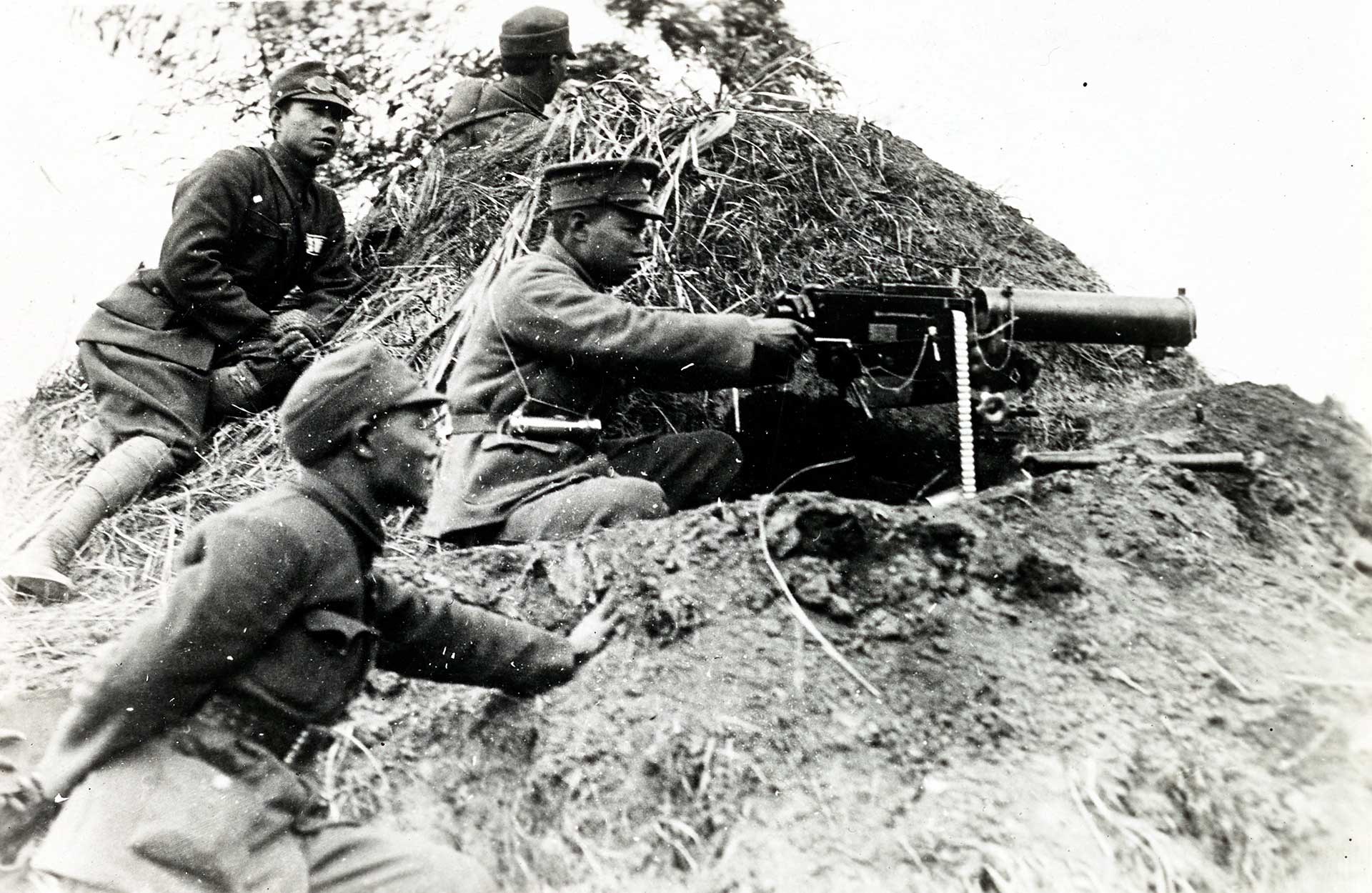
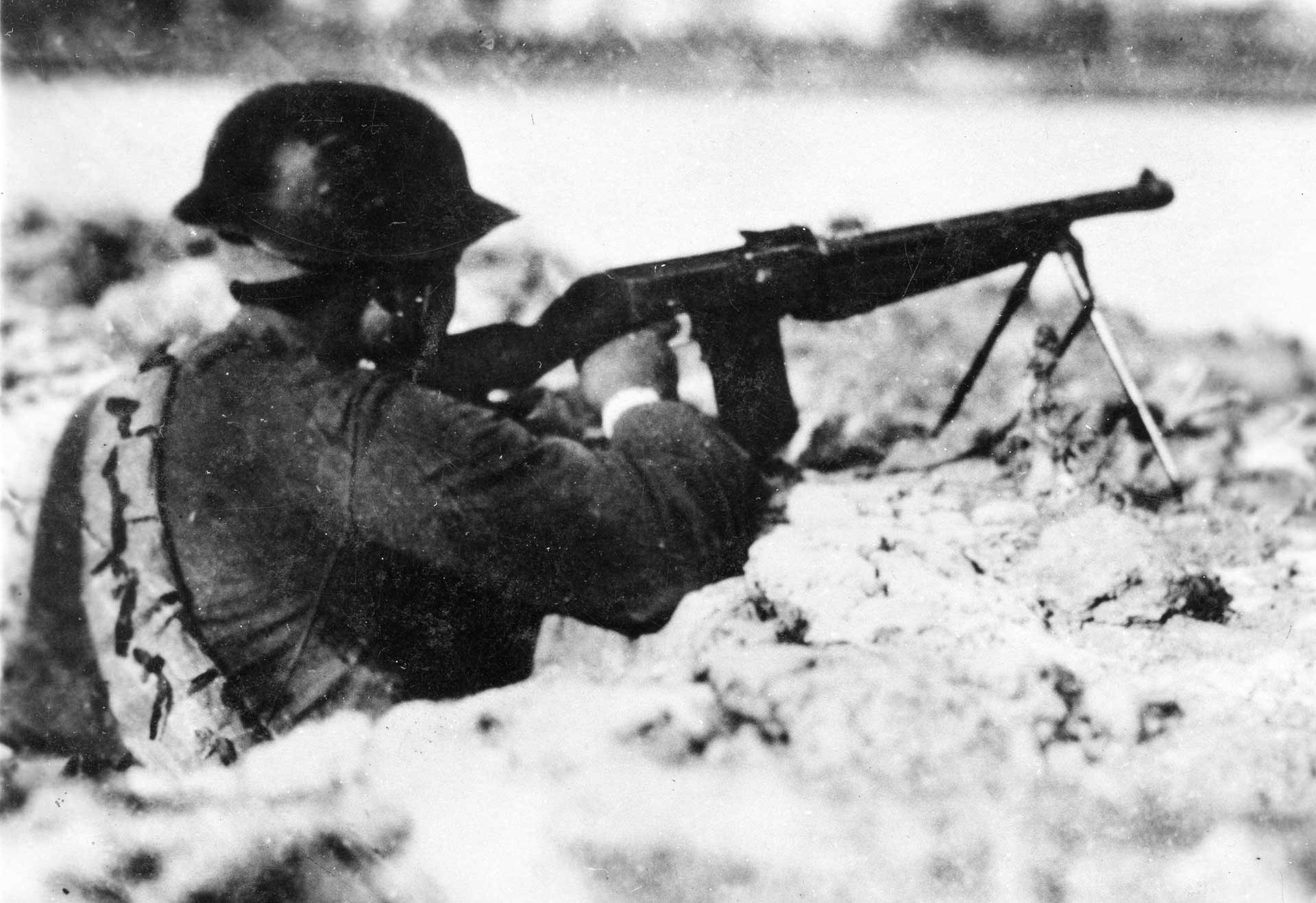
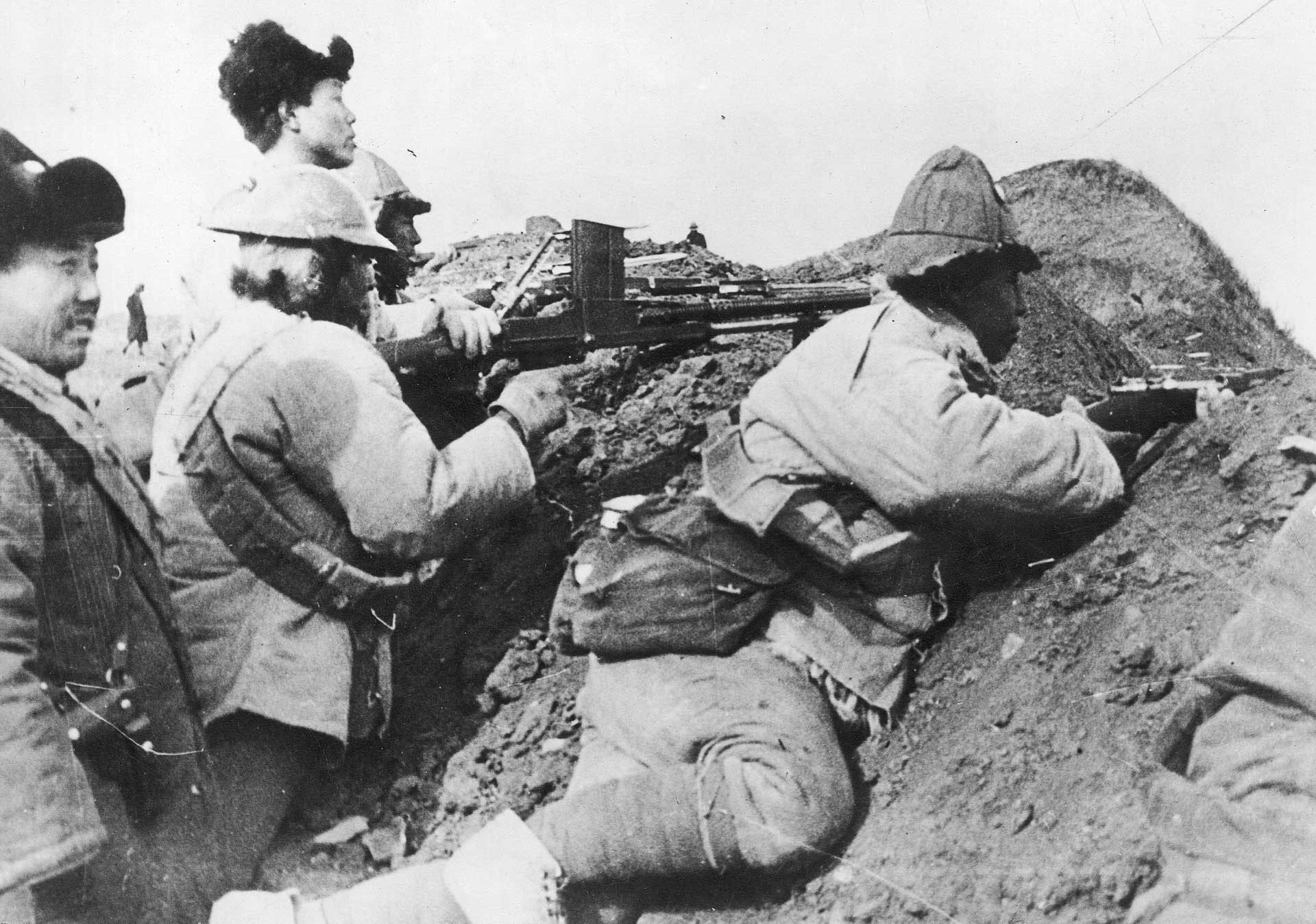
It is interesting to note that China imported, copied and used an impressive range of light machine guns during the 1930s—more than any other nation. Maintaining the spare parts and magazines for LMGs alone presented an incredible logistics challenge, and this same problem was played out with pistols, SMGs and rifles throughout the Sino-Japanese War, as well as in World War II.
The following LMGs demonstrate the depth and breadth of small arms at war in China during the late 1930s: the FN Mle 30 (8 mm Mauser), of which nearly 30,000 Belgian-made BAR variants were imported; the SIG KE7 (8 mm Mauser), of which China purchased about 3,000 with an additional 6,000 copies made domestically; the ZB vz.26 (8 mm Mauser), with more than 30,000 imported and many more made under license; the Lahti-Saloranta M/26 (8 mm Mauser), of which only about 1,200 of a planned 30,000 were delivered before Japanese diplomatic pressure intervened; the Hotchkiss M1922 (8 mm Mauser), with about 3,500 imported by 1939; approximately 3,000 Lewis Guns (.303 British); about 1,400 Maxim-Tokarev 1925 LMGs (7.62x54 mm R) provided under the Sino-Soviet aid program; and nearly 6,000 Degtyaryov DP-27 (7.62x54 mm R) pan-fed LMGs, also via the Sino-Soviet Aid Program.
A Chinese Status Symbol
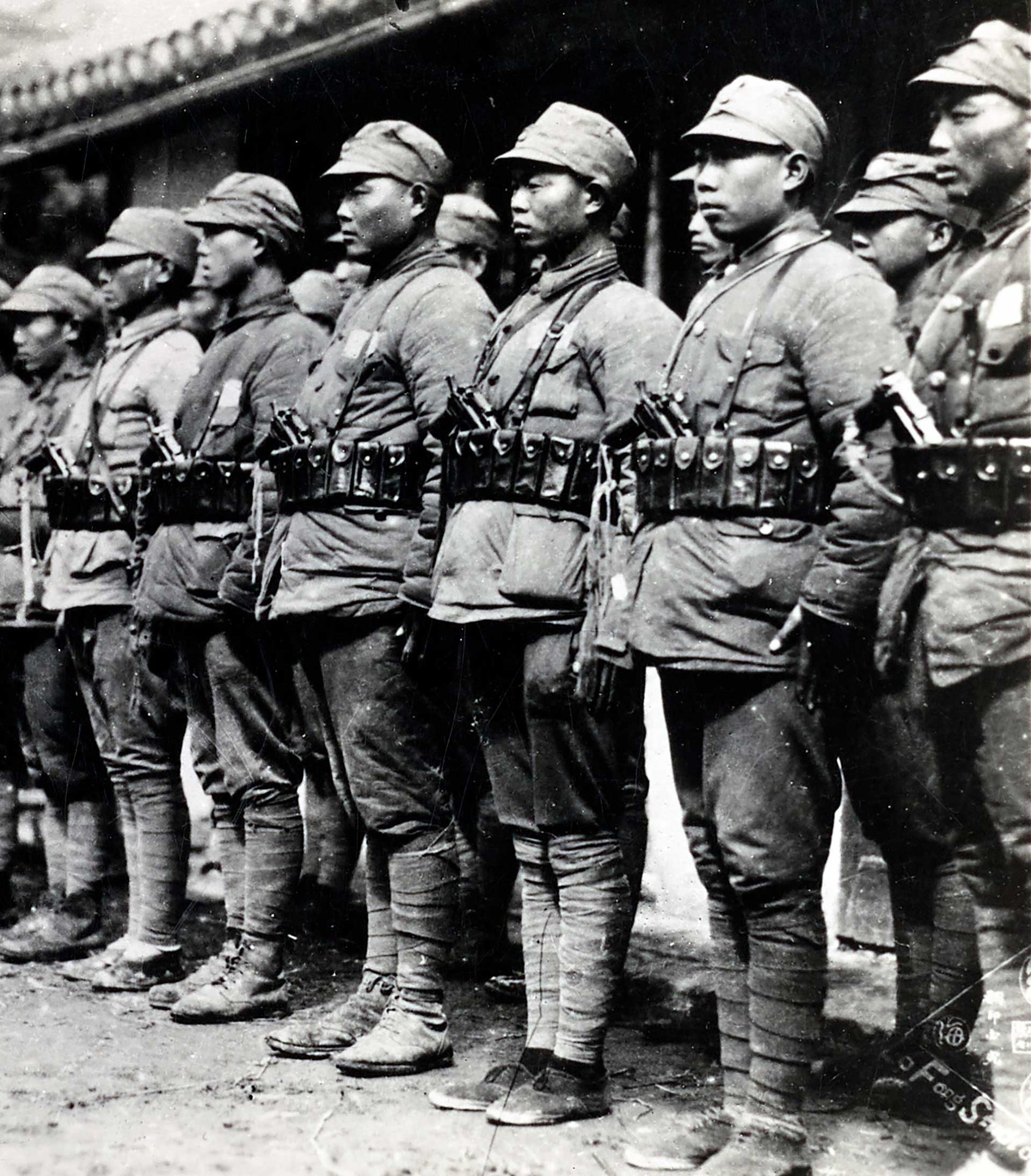
The Mauser M1932/M712 Schnellfeuer and its copies, like the Spanish Astra 900, Royal MM31 and Super Azul, gave the small-statured Chinese troops a handy pistol/carbine/SMG. With the Mauser-style machine pistols, most featuring a cyclic rate of close to 1,000 rounds per minute, firepower was very high. However, without training and careful trigger control, accuracy with these weapons was terrible. Even so, carrying a Mauser pistol was a major status symbol among Chinese troops, and it remained that way well into the 1940s.
Some Chinese troops are known to have fired their C96-type machine pistols in a sideways hold, allowing the dramatic cyclic rate to twist the weapon over as it rapidly expended the magazine, creating a "fan" of bullets. This highly questionable practice stemmed from a lack of formalized training and an unhealthy dose of local improvisation.
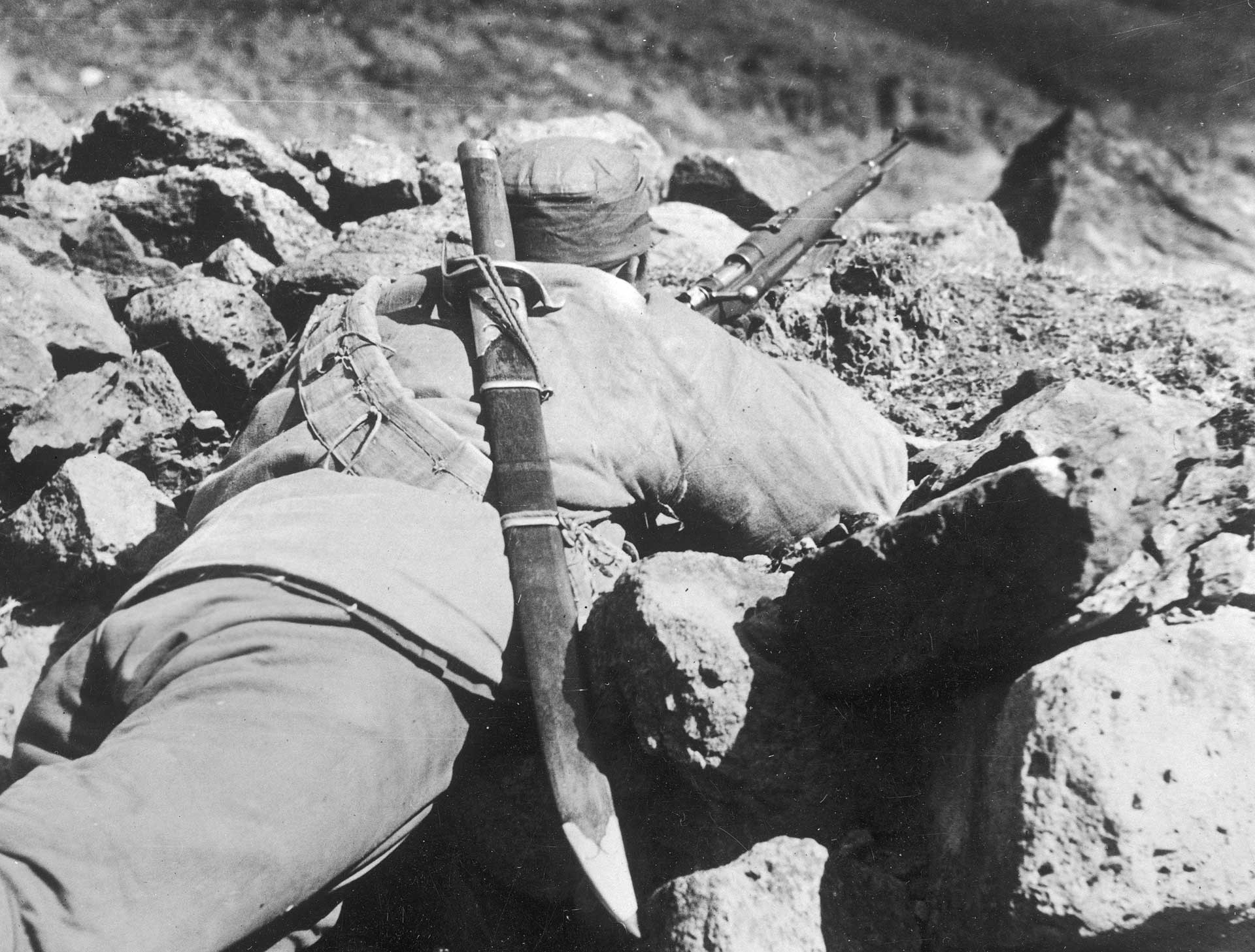
Chinese "Dare-to-Die" suicide squads were often completely equipped with full-automatic Mauser C96-type pistols. For the era, their firepower was unprecedented at close range, but few of these Chinese units were able to get close enough to their Japanese opponents to take advantage of it. The same was true of the Chinese Da-Dao "big sword" units. Their traditional over-sized beheading blades were visually intimidating but no match for long-range Japanese firepower, particularly artillery. Japanese cannons normally had double or triple the range of antiquated Chinese guns. Meanwhile, Japanese machine gun and rifle fire cut down Chinese human wave charges before their pistols or swords could be effective.
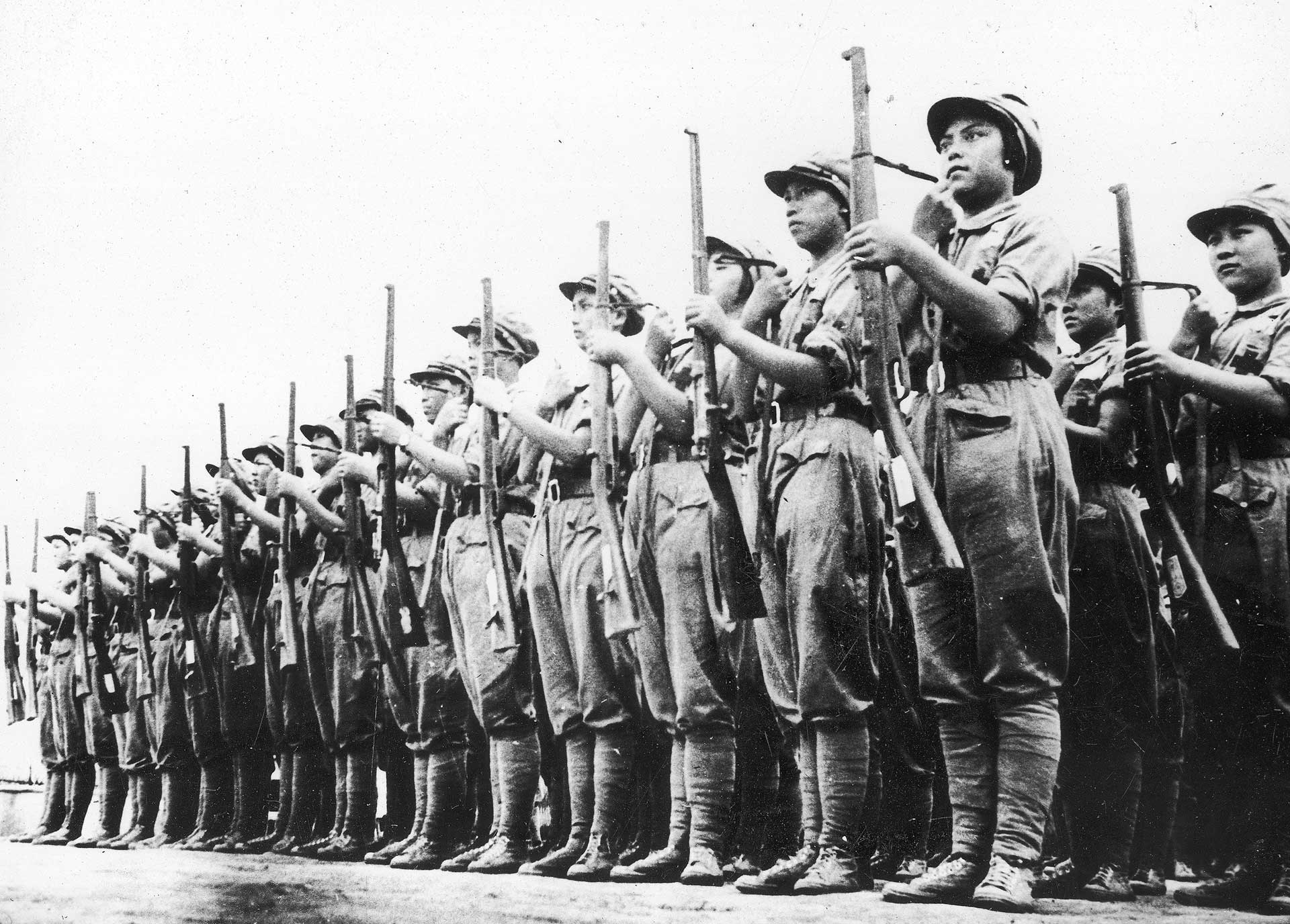
While some Chinese troops were willing, sometimes even fanatical fighters, their training and equipment varied greatly from unit to unit. The Chinese army had little experience working as a whole force, and their lack of national cohesion was a continuing strategic setback. There were essentially three categories of Chinese troops, with German-trained and equipped units the best of the Nationalist army. After the Category One units, the loyalty, training and equipment of Chinese troops deteriorated quickly. Category Three units were next to useless, and that was if they showed up to fight at all.
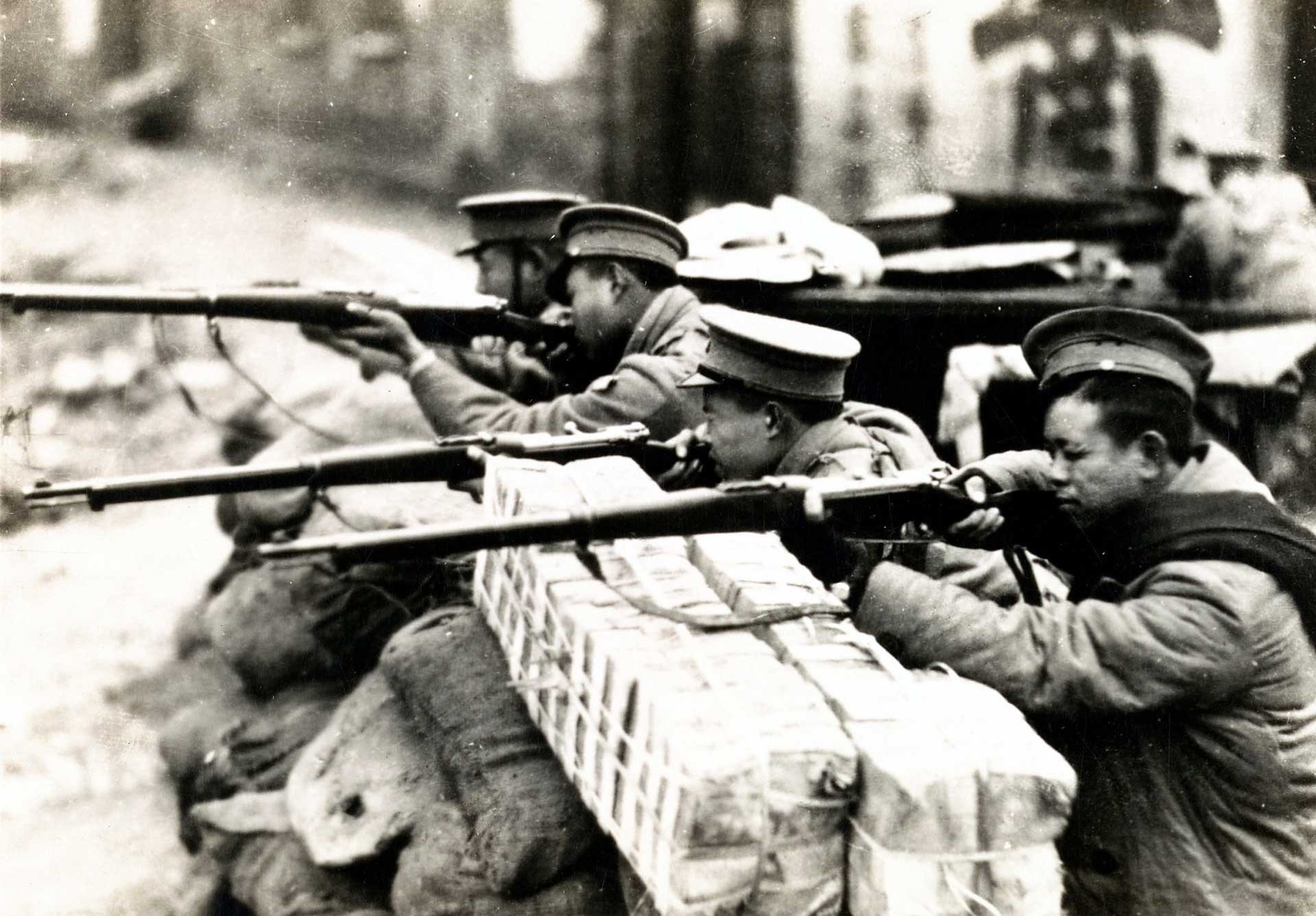
The baseline armament for most Chinese infantry units consisted of one of the many Mauser rifle types (8 mm Mauser) in service, like the Chinese Type 24, and the plentiful Hanyang Type 88 (8 mm Mauser), a close copy of the German Gewehr 88. Once again, the sheer number of various types was an armorer's nightmare. Rifle standardization in China would only become a reality well after the Civil War of 1946–1949.
Brutal Urban Combat on Display in Shanghai
The Battle of Shanghai put modern urban combat on display for the world to see, with many of the latest firearms in the hands of the combatants. For small arms researchers, the battle featured an incredible number of firearms, but little detailed study was made of their individual capabilities. The same is true of the combatants' urban warfare tactics, most developed on-the-spot, as there was no established manual to guide them in any language. For a thoughtful few, the carnage in Shanghai foreshadowed the horrors of combat in major cities in World War II. The agony of Stalingrad was just five years away.