Support-Hand Draw

posted on July 23, 2013
** When you buy products through the links on our site, we may earn a commission that supports NRA's mission to protect, preserve and defend the Second Amendment. **
rackley2015_fs.jpg (4)

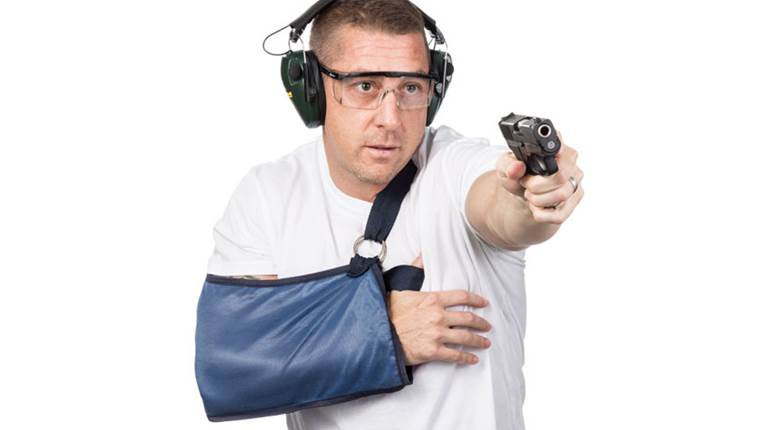
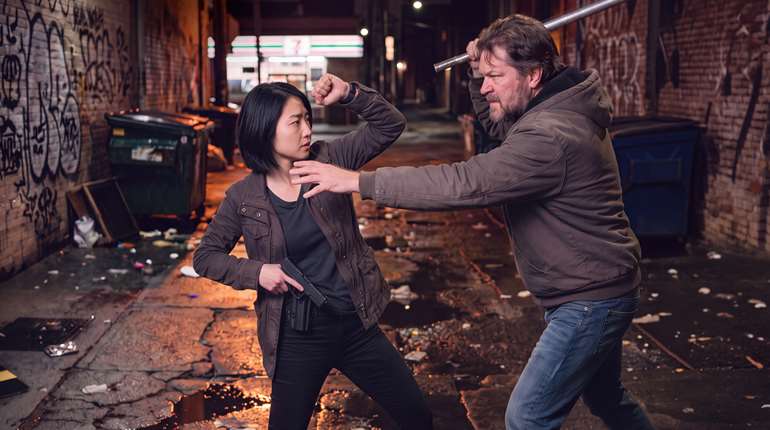
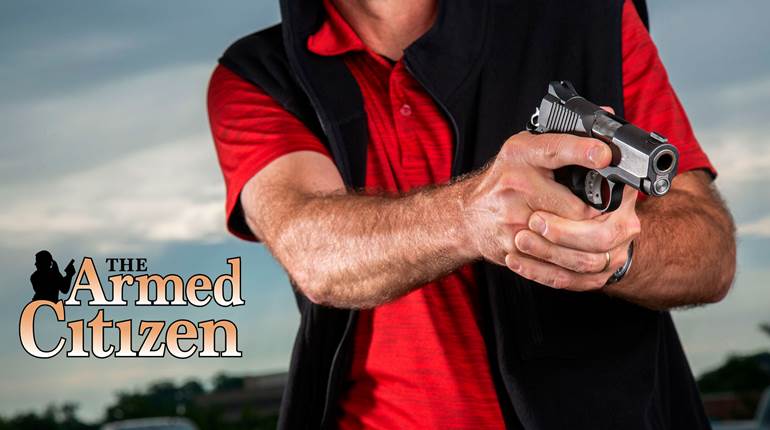
There are many reasons why you would want or need to draw your defensive handgun with your support hand. It could be that your gun hand or arm is injured, or that you are defending against a close attacker with your stronger arm.

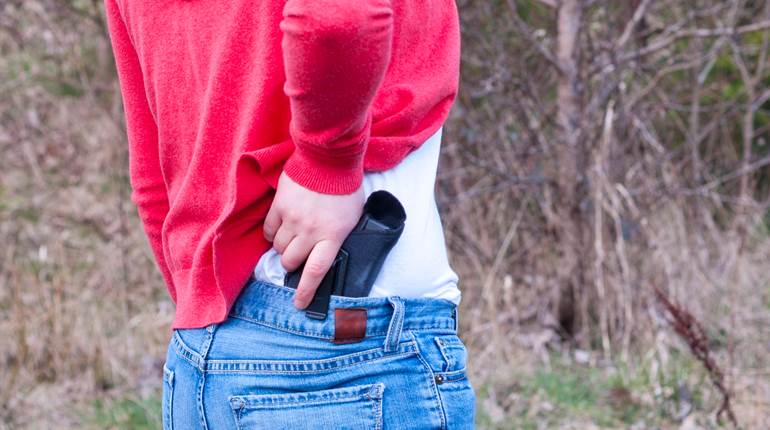
Regardless of the reason, knowing how to draw your handgun with your support hand is a good skill to have. Of course, a lot of it has to do with where your gun is located, but most carry methods can be accessed with either hand with some practice, which should always begin with an unloaded or inert gun.

Sheriff Jim Wilson recently explained two methods for drawing a handgun with the support hand, and the issues that should be considered for this to be possible. Both of these, though, were explained from the strong-side position, which is not used by everyone. Personally, I believe the best way to provide a firearm for the support hand is a second firearm.

Sure, I have trained reaching my Kimber with my support hand, but regardless of how much I practice, it just doesn’t feel smooth, and I can see this being a problem in a real situation. For this reason, I prefer a second handgun located in a position that is more easily accessible with the support hand, such as in the pocket or on the ankle. Beyond the better access to a handgun if the strong arm is disabled or otherwise engaged, a second handgun provides additional firepower and can be handed off to a partner if needed.

Latest

Federal 7Mm Backcountry Rifleman Review 2

Federal Signs Agreement With U.S. Army to Improve Ammo Performance

Federal Ammunition announced this week that it has entered into an agreement that allows the U.S. Army to utilize its patented Peak Alloy ammunition case technology for use in multiple cartridges and weapon systems.

Four Armed Citizen Stories That Tell us a Lot

Each self-defense case is different. As we read them, we find ourselves wondering what we would have done, and then asking if the citizen made the best decisions possible in the worst-case scenario.

The Three Rs of Performance Shooting: Rise, Return & Realignment

Way back in the day, the three Rs of learning were colloquially known as "Readin’, Rightin’ and Rithmatic." In today's modern performance shooting, the three Rs become Rise, Return and Realignment, the core mechanics of recoil control.

Subsonic Ammo 101: Everything The Suppressor Shooter Should Know

Slower-than-sound rounds are an art as much as a science. For target shooting, bullet upset is not important, but if you’re using subsonic loads for hunting or self-defense, it becomes critical.

I Have This Old Gun: Model 1874 Gras Rifle

Following the Franco-Prussian War of 1870, the French military were in desperate need of a new service rifle. Their answer was the Model 1874 Gras, which was largely an update to the earlier Chassepot design.


Compact & Quiet: CMMG's ZEROED Banshee

CMMG has expanded its Banshee line of AR-style rifles with the ZEROED, a firearm that is optimized for suppressor use.

Interests


Get the best of American Rifleman delivered to your inbox.