Rifleman Q & A: M1 Carbine Pouches

by
posted on August 2, 2019
** When you buy products through the links on our site, we may earn a commission that supports NRA's mission to protect, preserve and defend the Second Amendment. **
poucg.jpg

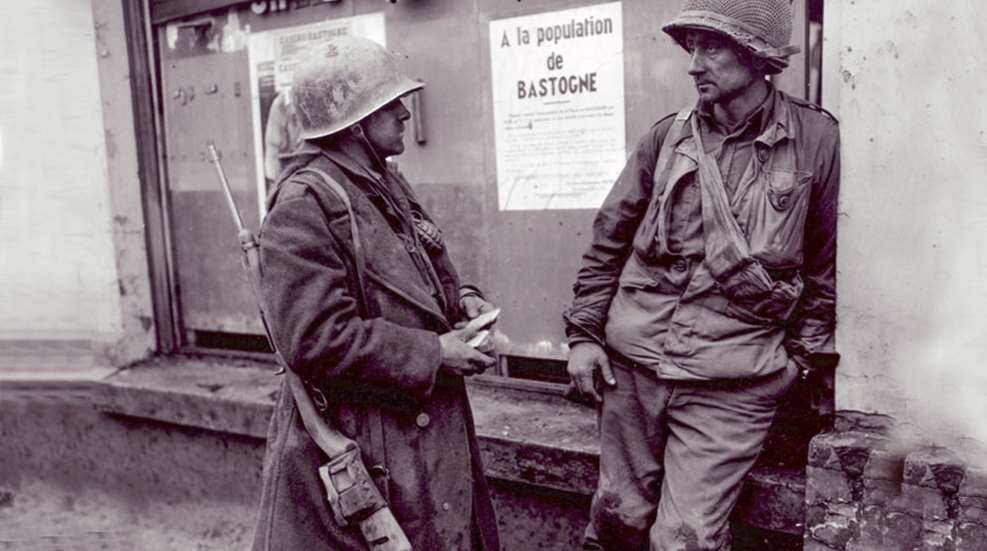
The American infantryman at left is armed with an M1 carbine that has a magazine pouch attached to its stock.

Q: I recently started collecting U.S. M1 carbines and accessories and have a question regarding a magazine stock pouch I purchased at a gun show. The pouch has a metal snap inside of the portion that fits over the stock. The snap seems to have no purpose and I am wondering what it was for.

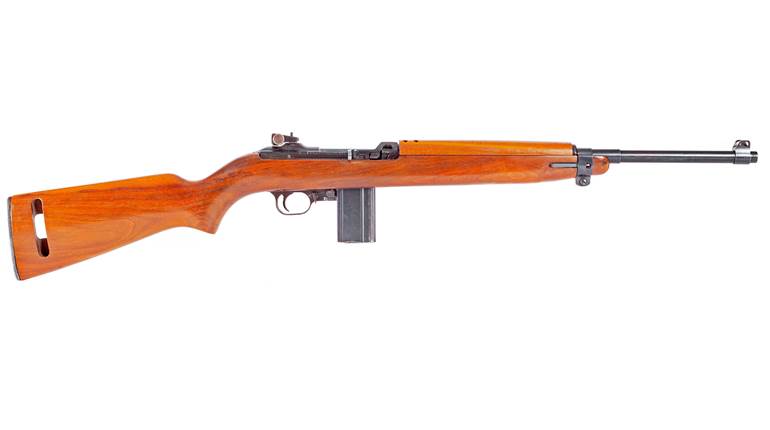
A: Actually, the pouch to which you refer was not originally designed, nor intended, to be attached to the stock. The M1 carbine was conceived and designed to give military personnel, who would otherwise be armed with handguns, an arm with greater range and accuracy than a pistol. Since it was envisioned that the carbine would take the place of the .45-cal. pistol in such instances, the magazine pouch designed for the new gun was to be carried on the standard pistol belt. The metal snap on back of the pouch would mate with the fastener on the pistol belt that was intended for use with the pistol magazine pouch. It was soon discovered by enterprising G.I.s that the pouch could be attached to the stock and provided a ready means to carry two extra 15-round magazines on the carbine at all times. This became a rather common practice, as evidenced by numerous World War II-era photos depicting the use of such pouches in all theaters of the war. A similar pouch, having two narrow belt loops rather than the single wide loop and pistol belt snap, began to be issued later in the war. This pouch would not fit on the carbine stock, but large numbers of the earlier pouches remained in use through the end of the conflict. --Bruce N. Canfield
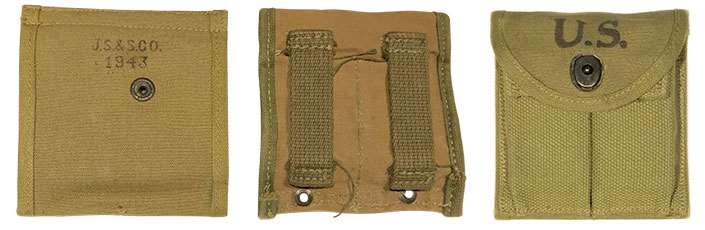
Early M1 carbine magazine pouches (l.) had metal snaps on their backs for fastening to a pistol belt. The later pouch had two narrow belt loops (ctr.).

Latest

French Charleville History 1

The French Charleville: Workhorse Of The American Revolution

Often overlooked, the French "Charleville" infantry musket was one of the most significant longarms of the 18th and 19th centuries and was integral to the success of the Continental Army during the American Revolution.

Lisa Tuason Appointed Interim CEO of Armscor/Rock Island Armory

Following the unexpected passing of Armscor President and CEO Martin Tuason in November, Lisa Tuason was appointed as interim CEO in early December, ensuring continued family leadership.

Preview: BullyWerx BullyTRAKR

Ultra-compact and stealthy by design, the BullyTRAKR is a discreet electronic tracking device that uses nearby smartphones and Wi-Fi Positioning System (WPS) to keep tabs on valuables through that encrypted WPS technology.

I Have This Old Gun: P08 Luger

One of the most iconic sidearms ever made, the P08 Luger was a mainstay in the German army from before World War I until the end of World War II.

Wilson Combat Honors Melvin Forbes With NULA Model 20 Tribute Rifle

Wilson Combat is honoring the 40th anniversary of New Ultra Light Arms, the company founded by legendary riflemaker Melvin Forbes and now part of the Wilson Combat family of companies.

Preview: Otis Technology Pro+ Snap Caps

Dry-fire training is one of the most effective ways to easily improve your firearm-handling skills at home, and safely performing reloads and manipulations requires a good set of snap caps tailored to your firearm.

Interests


Get the best of American Rifleman delivered to your inbox.