by
Support NRA American Rifleman
DONATE
** When you buy products through the links on our site, we may earn a commission that supports NRA's mission to protect, preserve and defend the Second Amendment. **
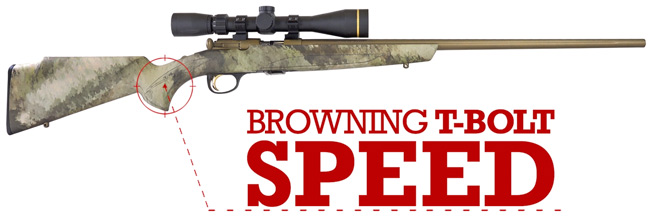
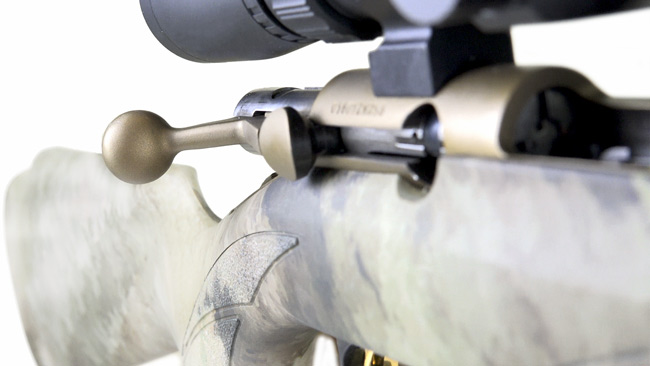
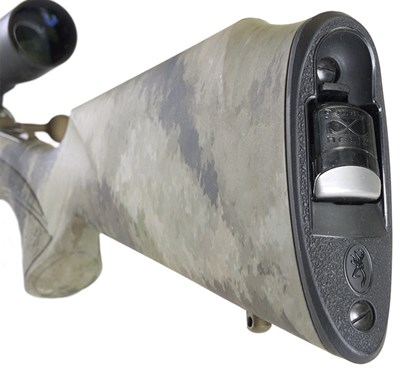
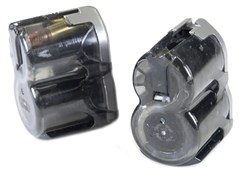
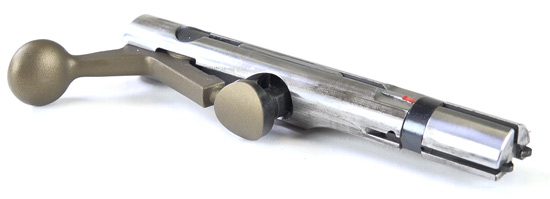
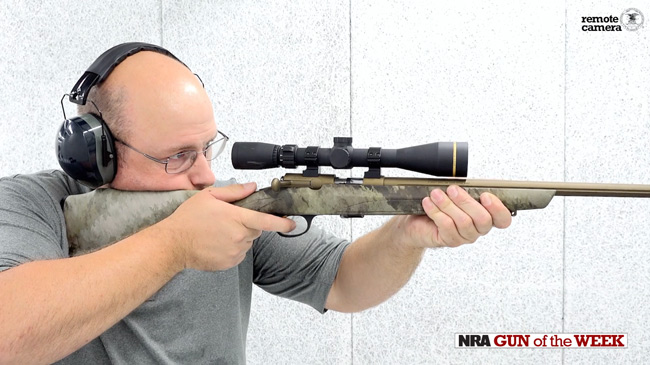
When it comes to American sporting rifles, turned-bolt bolt-action designs dominate the market. Browning Arms broke that mold in 1964, when it first introduced its T-Bolt rifle—a true straight-pull rimfire—though it took another 10 years for the company to catalog the design for consumers. Advancing to the modern era, the T-Bolt has received slight design changes, with the T-Bolt SPEED demonstrating the company's most advanced example. With a Burnt Bronze Cerakote finish on the barrel and receiver, and a polymer stock adorned in A-TACS AU camouflage, the rifle features a double-helix magazine with capacity for 10 rounds of .22 Long Rifle. The machined bar-stock receiver is mated to a steel, 22” sporter-contour barrel, which features a polished chamber and match-grade fluting. Additionally, a user-adjustable trigger is included, along with space for a single additional magazine stored within the buttstock. To learn more about the Browning T-Bolt SPEED, watch our NRA Gun of the Week video hosted by American Rifleman’s Brian Sheetz.
Specifications:
Manufacturer: Browning
Model: T-Bolt Speed
Action Type: straight-pull, bolt-action rimfire rifle
Chambering: .22 Long Rifle
Barrel: 22”, Burnt Bronze Cerakote finish
Stock: composite, A-TACS AU camouflage finish
Sights: none; drilled-and-tapped
Trigger: adjustable; 4-lb., 2-oz. pull
Magazine: rotary, 10-round detachable box
Weight: 4 lbs., 9 ozs.
MSRP: $980
Additional Reading:
A Look Back at the Browning Semi-Automatic 22
The Browning X-Bolt Rifle—10 Years Later
5 Little-Known Facts About the FN Browning High Power
The Other Great Guns of John Browning
Extras:
ARTV—The Legacy of John Browning
NRA Gun of the Week: Browning Arms Company Model 1955 Pistol
I Have This Old Gun: Baby Browning Pistol
NRA Gun of the Week: Browning Buck Mark Camper UFX
NRA Gun of the Week: Browning High-Power Mark III Pistol
NRA Gun of the Week: Browning A5 Sweet Sixteen
Specifications:
Manufacturer: Browning
Model: T-Bolt Speed
Action Type: straight-pull, bolt-action rimfire rifle
Chambering: .22 Long Rifle
Barrel: 22”, Burnt Bronze Cerakote finish
Stock: composite, A-TACS AU camouflage finish
Sights: none; drilled-and-tapped
Trigger: adjustable; 4-lb., 2-oz. pull
Magazine: rotary, 10-round detachable box
Weight: 4 lbs., 9 ozs.
MSRP: $980
Additional Reading:
A Look Back at the Browning Semi-Automatic 22
The Browning X-Bolt Rifle—10 Years Later
5 Little-Known Facts About the FN Browning High Power
The Other Great Guns of John Browning
Extras:
ARTV—The Legacy of John Browning
NRA Gun of the Week: Browning Arms Company Model 1955 Pistol
I Have This Old Gun: Baby Browning Pistol
NRA Gun of the Week: Browning Buck Mark Camper UFX
NRA Gun of the Week: Browning High-Power Mark III Pistol
NRA Gun of the Week: Browning A5 Sweet Sixteen