World War II spurred the development of many innovative small arms, and one of the most unique was a clandestine rifle developed for the British Special Operations Executive. The De Lisle Commando Carbine, as it came to be known, provided special operators with a suppressed firearm that could be used to take out targets without arousing the attention of nearby troops. Watch our "American Rifleman Television" I Have This Old Gun segment above to see the De Lisle in action.
"The development of special operations forces during the Second World War would give rise to some fascinating innovations in firearms, one of which emerges as the De Lisle Carbine, and this Carbine is unlike anything else that's used during the war, because it takes the existing Enfield rifle design, it chambers the Enfield for, rather than .303, the .45 ACP cartridge," American Rifleman contributor Martin K.A. Morgan said. "There were other prototypes in other calibers. They even tried a 9 millimeter version, but they found that the .45-caliber version was more effective, because the most important operational aspect of the De Lisle is that it is a suppressed firearm. It's an integrally suppressed, bolt-action rifle chambered for the .45 ACP cartridge."
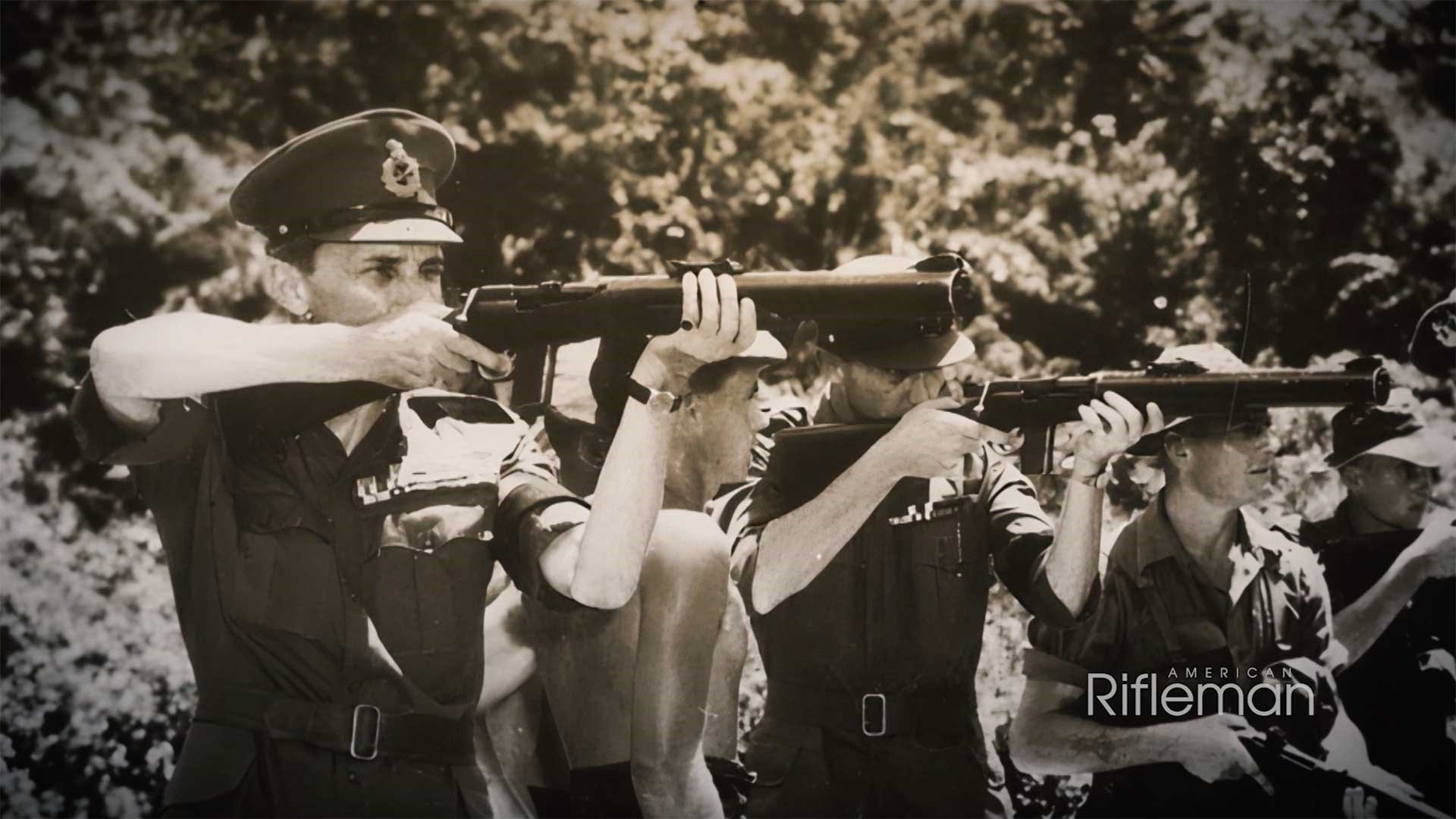
As a concept, the idea of a bolt-action suppressed carbine was devised by William Godfrey De Lisle, an Air Ministry engineer who developed initial prototypes to hunt animals on his property in England without disturbing his neighbors. The design came to the attention of the British SOE, which further refined the concept.
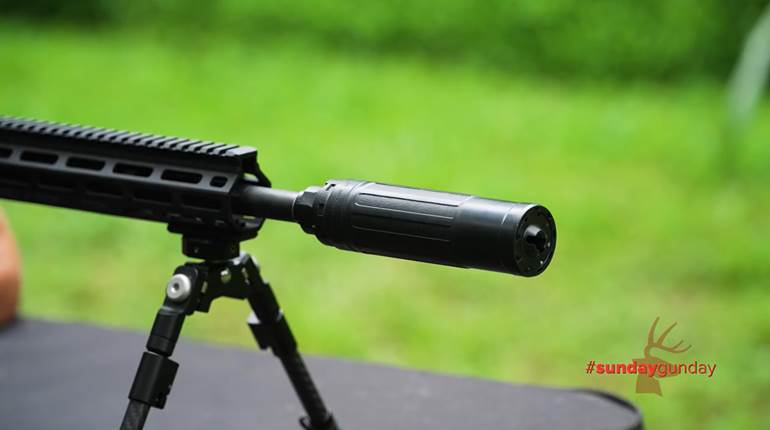
"The De Lisle is an integrally suppressed, bolt-action carbine. So this long tube, which on the prototypes was made out of steel, on the production models, it was made from Duralumin, an aluminum alloy, and inside of this aluminum tube were 13 baffles," American Rifleman Executive Editor Evan Brune said. "And so the Thompson barrel was ported and it only measured 7 inches long. And so the bullet actually exited the Thompson barrel inside of this integral suppressor and traveled in between all of these baffles before exiting the false muzzle, really, on the end of the suppressor tube. It was incredibly quiet."
The De Lisle Carbine saw operational use with the SOE during World War II, as well as the the conflicts following in Korea and southeast Asia.
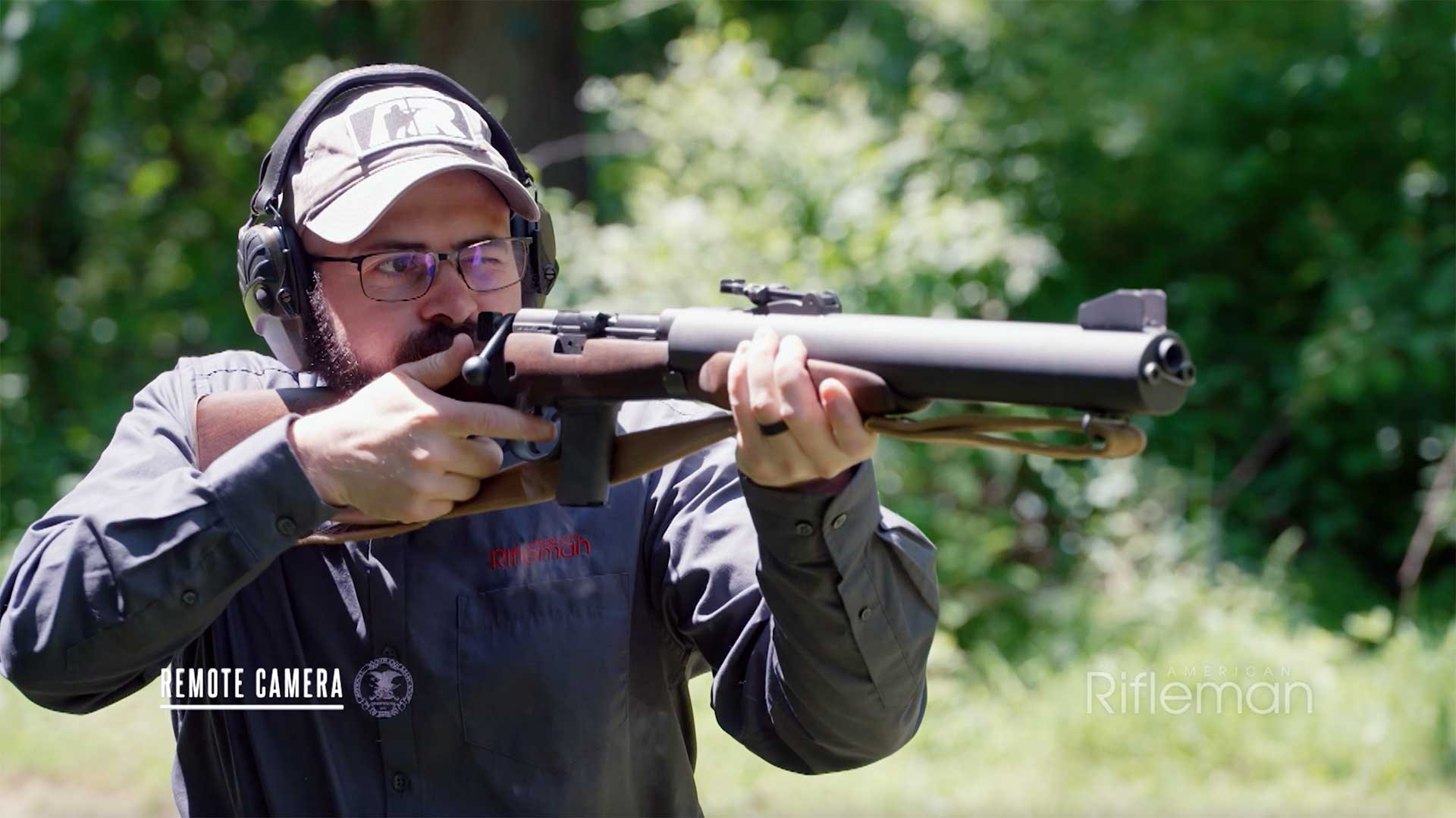
"The De Lisle Carbine, it holds an interesting distinction among World War II firearms in that they're very uncommon. You don't frequently see them," Morgan said. "One company made a reproduction of it. There are current excellent reproductions being made in Pennsylvania today, and they call our attention back to a time period when special operators needed something that could silence a sentry and could do so without alerting anyone else as to the military operations going on near them."
To watch complete segments of past episodes of American Rifleman TV, go to americanrifleman.org/videos/artv. For all-new episodes of ARTV, tune in Wednesday nights to Outdoor Channel 8:30 p.m. and 11:30 p.m. EST.