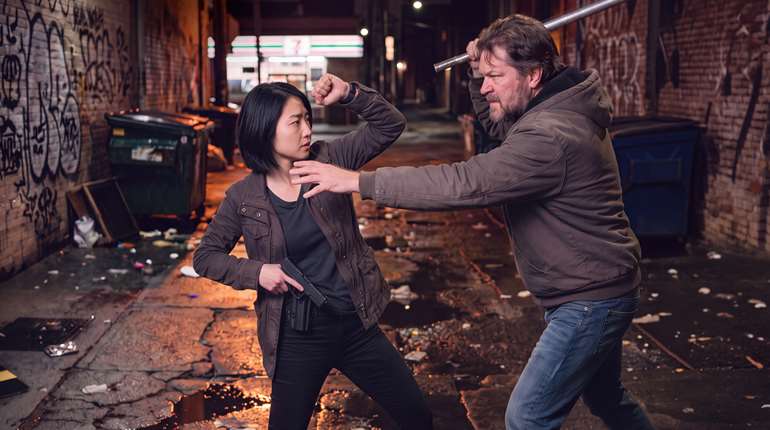
Once a person has determined that a violent criminal attack cannot be avoided, the most important shot that will be fired is the first one. Nothing stops fights like putting the first hit into the vital zone of the attacker. No one’s performance improves after they have taken a solid hit to the vital zone and gunfight studies clearly show this. Even if the attacker doesn’t immediately go down, the armed citizen has taken any advantage away from the criminal.
I am not suggesting that armed citizens fire only one shot. They may fire a controlled pair or even multiple shots. But that first solid hit is the most important one that they will fire. Even when multiple criminals are involved, nothing will discourage the gang like seeing one of their number take a solid hit with the first shot fired by what they thought would be an easy victim.
With the ammunition situation being what it is, armed citizens need to examine their practice methods and determine what the most cost-effective method of practice can be. I suggest to you that it would be to develop a smooth, fast draw and effective first hit on the target.
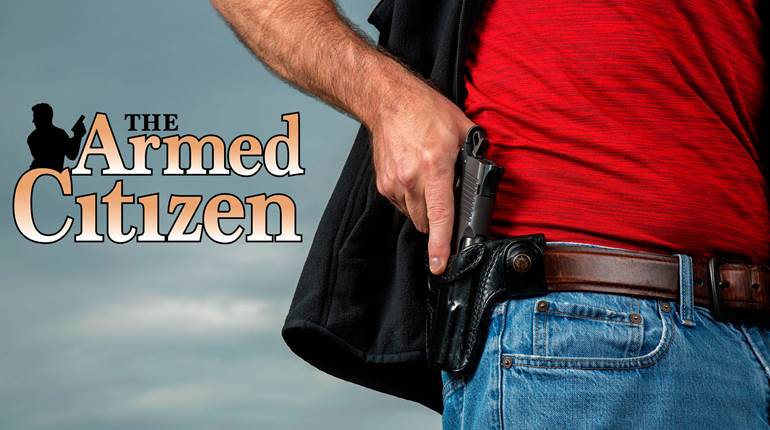
A lot can be accomplished through effective dry practice. Of course, it is critical to make doubly sure that the pistol is unloaded. Working with whatever concealment garments are usually worn, the shooter works for a smooth, quick draw that is devoid of wasted movement. An excellent idea is to practice with a buddy and take turns videoing each other’s pistol presentation from a safe angle. Shooters often don’t realize that they are guilty of wasted movements until they actually see themselves in a video.
During the draw stroke, shooters should not only be focused on the target, but they should be looking at the exact spot where they intend to put a bullet. The gun is drawn, brought up into the line of sight, and the pistol sights acquired. We don’t dip our head and look for the gun; we bring the gun to the line of vision.
What is a good spot to aim at? I would suggest that the third button on a man’s dress shirt, the one that is level with the top of the shirt pockets, would be just about right. Studying human anatomy helps pinpoint this location, regardless of the type of shirt the criminal is actually wearing.
Another thing that the armed citizen should consider is that criminals are not going to stand there, all squared away, facing you like that B-27 target you’ve been practicing on. They are going to be moving and turning. For that reason, it helps to think of the target in three dimensions. Imagine that something the size of a large grapefruit is located in the body and, regardless of how the body is turned, you have to hit that grapefruit to stop the fight. This helps determine the actual aiming spot required.
A smooth, quick draw and a solid hit to the vital zone with the first shot is critical to winning a fight. It is what we should practice most, whether in dry practice or live fire.
Most Popular