** When you buy products through the links on our site, we may earn a commission that supports NRA's mission to protect, preserve and defend the Second Amendment. **
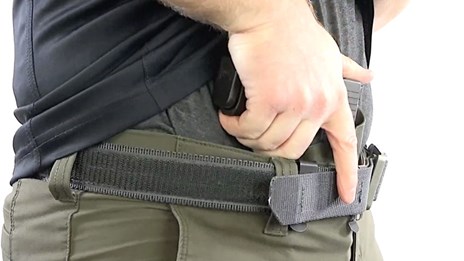
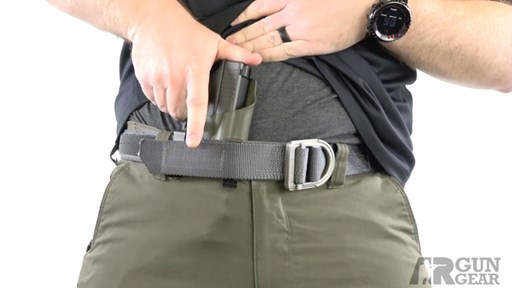
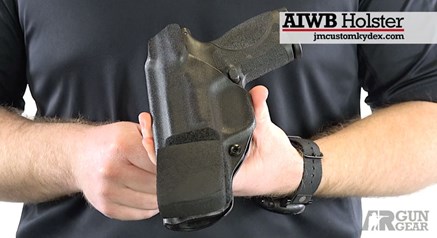
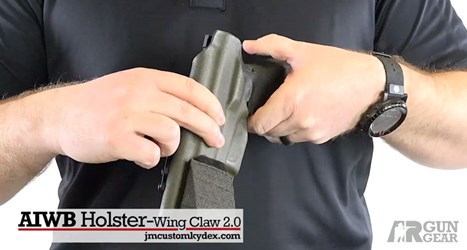
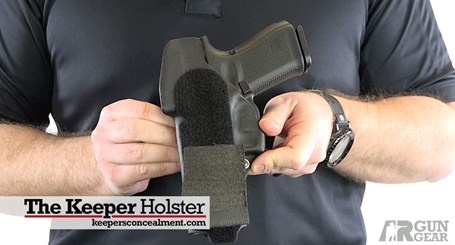
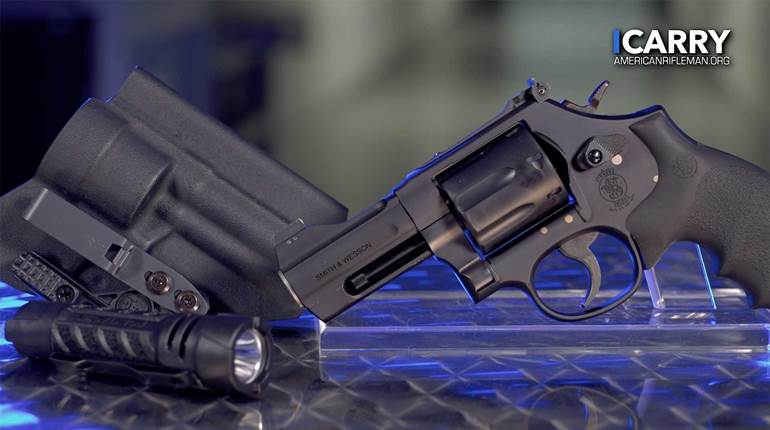
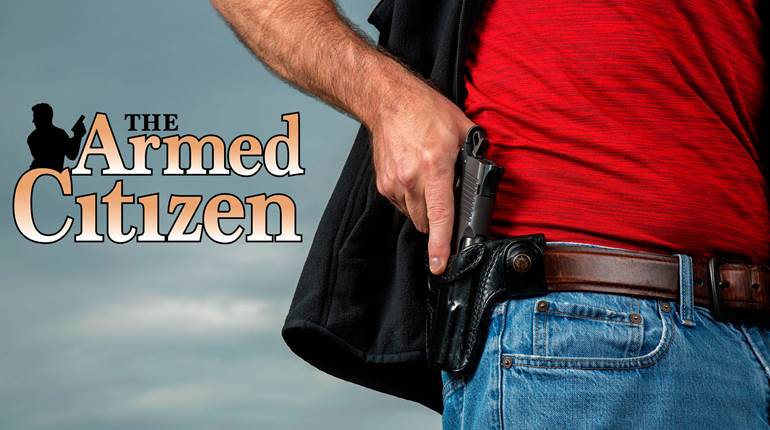
It was not that long ago that appendix-inside-the-waistband (AIWB) concealed carry was considered a passing fad, poked fun at as “felony carry” (for resembling a ne’er-do-well’s pistol stuck casually down their pants) and derided by old-timers for being silly and seemingly dangerous—we still can’t have a conversation about AIWB without someone raising the alarm on behalf of the family jewels. It’s true that the method of carry is not new; what is, though, is a market full of thoughtfully designed holsters specifically configured for AIWB carry. New holster making materials and complementary feature sets have made appendix carry for the modern armed citizen safe, comfortable and more concealable than ever before. In this video, American Rifleman’s Joe Kurtenbach takes a closer look at holsters from JM Custom Kydex and Keepers Concealment to showcase some of the features that make AIWB carry really work.