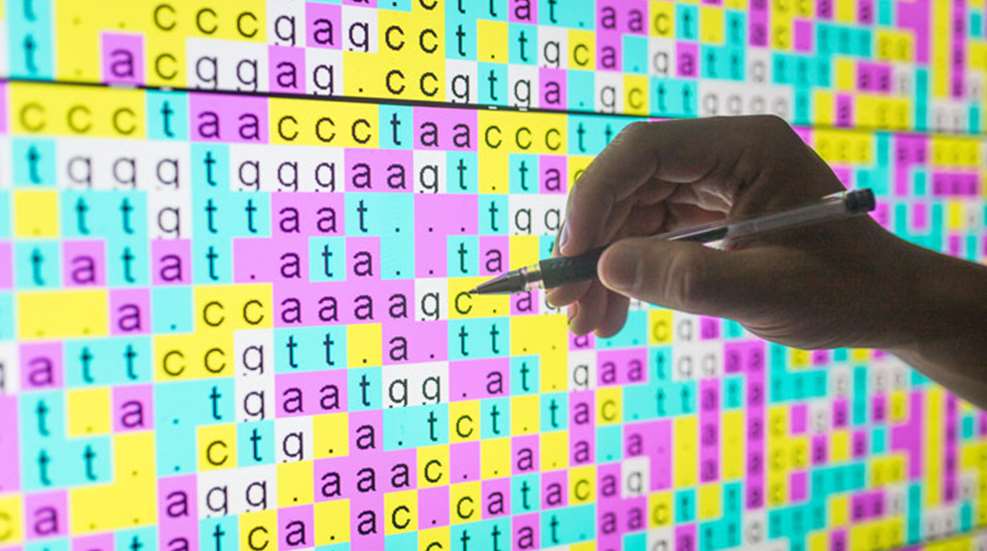
Detectives in California have announced the arrest of a 72-year-old man for a string of murders and rapes in the state from 1978 to 1986—brutal crimes that remained unsolved and ultimately labeled the unknown perpetrator the “Golden State Killer.” The big break came when authorities cross-referenced DNA preserved from crimes nearly four decades old with samples submitted to commercial genealogical sites by people eager to learn their family history, according to the Los Angeles Times. The information distilled potential suspects down to roughly 100, according to the paper, and follow-up investigation identified the suspect.
Commercial companies specializing in genealogy often use samples of saliva provided by a customer to analyze the DNA and determine family origins. Firms aiding in the investigation remain unnamed, but the latter report indicates those involved opened their apparently stockpiled data to investigators.
The approach may raise further right-to-privacy concerns recently heighted by an Arkansas case, where prosecutors attempted to procure sound recorded by an Alexa present the night a man died. Amazon, manufacturer of the device, refused to turn over the evidence unless certain legal conditions were met, or the owner granted permission. He did, the case was dropped, and the fact Alexa is constantly listening became public knowledge.
Digital footprints monitored by smart devices are increasingly inspected by authorities. The Arkansas case cited water use monitored by an Internet-connected smart meter and cell phone information.
Those who protect and serve deserve to harness as much technology as possible to make our cities and streets safer, but will it lead to blanket eavesdropping for select keywords like, “AR-15” or a national healthcare-mandated DNA library with chromosome-level inspections prior to treatment?
Most Popular