Robert L. “Larry” Wilson, noted firearms author, researcher, scholar, historian and literary powerhouse passed away unexpectedly in his San Francisco apartment located on historic Telegraph Hill on Dec. 10, 2016. Wilson was 77 years old, and a long-time resident of Hadlyme, Conn., and San Francisco, Calif. 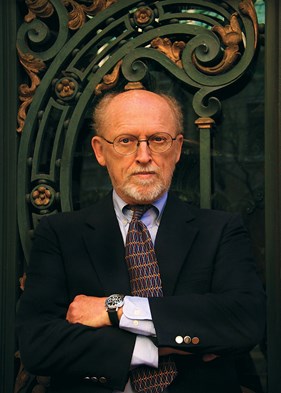
R.L. Wilson was born June 24, 1939, in St. James, Minn., the son, nephew and grandson of Presbyterian ministers. His family moved to Minneapolis when he was 10, and the always inquisitive Larry spent a lot of time putting together model cars, planes and guns, in addition to taking in grade-B Western movies. He was also fortunate to visit many significant American historic places when going on family trips.
His first job was delivering the Minneapolis Star & Tribune newspapers, which helped fund his budding collector interests. By 14, he and his older brother Jack had amassed a collection of approximately 75 firearms, ranging from an inexpensive .22-cal. Remington bolt-action rifle to various Civil War and Wild West revolvers, derringers, rifles, carbines and muskets. 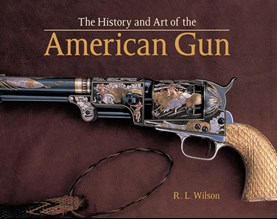
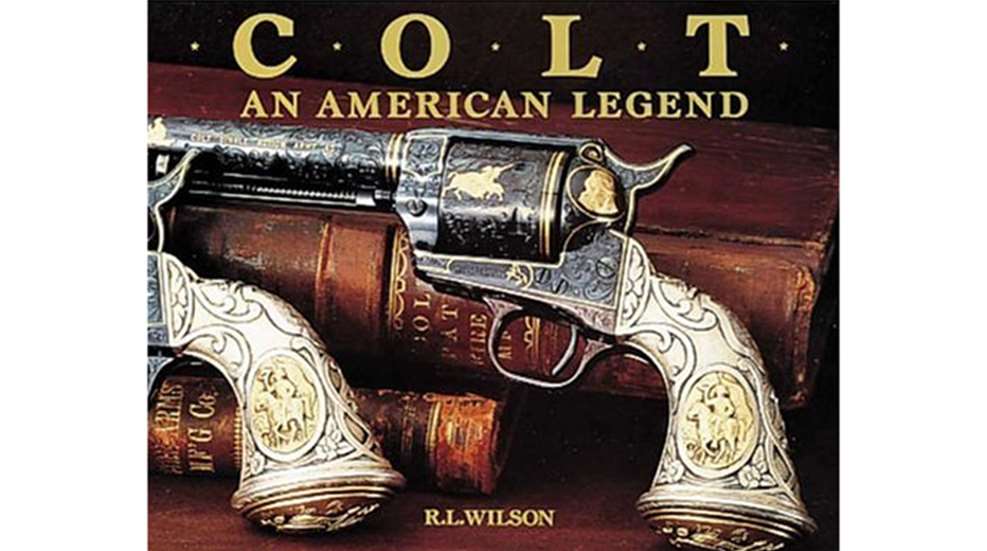
As an undergraduate, Wilson studied history and art on a scholarship at Carleton College. His first book, Samuel Colt Presents, a 314-page publication of the Wadsworth Atheneum was released in 1961, when Wilson was only 22. His most recent publication, History and Art of the American Gun, was published earlier in 2016 and during this span of 55 years, the prolific Wilson averaged approximately one book per year.
In addition to authoring more than 50 books, Wilson also penned 325 articles for a variety of magazines and periodicals (including more than 20 for American Rifleman), plus wrote countless gun descriptions for firearms auction catalogs. Keenly interested in museums and historic houses/landmarks since childhood, Wilson visited more than 800 such institutions over the years, ranging from artistic, historical, and natural science themes, to country homes and gardens.
Wilson was also interested in an almost endless variety of subjects, including firearms, cars and automotive racing (especially F1), architecture, music (almost all genres), fine art (especially Western paintings and bronzes), engraving (he was responsible for the renaissance of American engraving in the late 20th century), museums, cinematography, superb culinary creations, and the history of the American West. Once Wilson got interested in something, he totally immersed himself in the subject to the point where a book or a major article was usually the final result.
—S.P. Fjestad
Most Popular