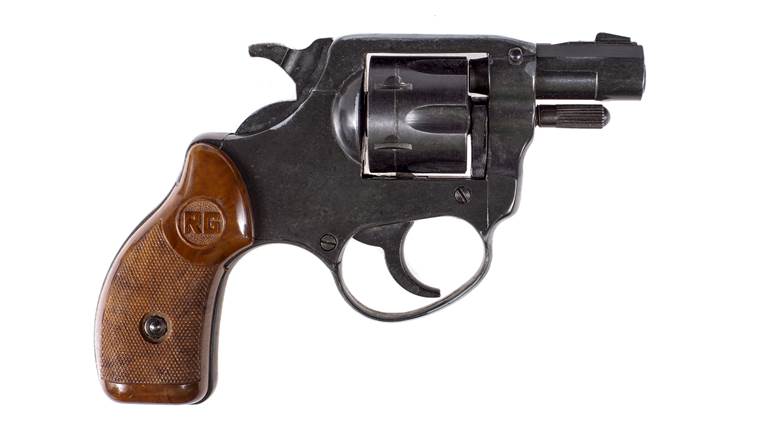
The U.S. Postal Service (USPS) on April 2, 2026, published a proposed rule that would permit the mailing of lawful handguns through the U.S. mail for the first time in nearly a century. The change aligns Postal Service regulations with a January 2026 Department of Justice (DOJ) opinion declaring the longstanding federal ban on mailing “concealable firearms” unconstitutional under the Second Amendment.
The proposal, detailed in the Federal Register, revises standards in USPS Publication 52 (Hazardous, Restricted, and Perishable Mail). It expands “mailable firearms” to include pistols, revolvers, and other handguns—previously classified as nonmailable—under the same conditions already applied to rifles and shotguns. Firearms must be unloaded, securely packaged according to “Domestic Mail Manual” guidelines, and bear no external markings indicating the contents. Most shipments require USPS tracking and signature confirmation at delivery. Mailers must also comply with the Gun Control Act of 1968, state and local laws, and all other federal regulations.
The rule stems from a 15-page DOJ Office of Legal Counsel memorandum issued January 15, 2026. That opinion concluded that a 1927 statute prohibiting the mailing of pistols, revolvers, and other concealable firearms violates the Second Amendment as applied to constitutionally protected arms. The DOJ determined the ban lacks historical tradition and serves no legitimate purpose consistent with the nation’s firearm regulation history. It instructed USPS to update its rules accordingly and stated that the executive branch would no longer enforce the statute against protected firearms.
Under current rules, handguns are generally nonmailable except in limited cases, such as shipments between licensed manufacturers, dealers, importers, or certain government officials, which often require affidavits or special forms. The proposed revisions maintain strict limits on National Firearms Act (NFA) items (machine guns, short-barreled rifles and shotguns, suppressors, and destructive devices) and other items.
The USPS says it is deferring to the DOJ’s constitutional analysis. “The Postal Service defers to OLC’s judgment as to the lawful scope of this criminal statute,” the proposal states.
The restriction has long forced gun owners into costly workarounds, such as routing handguns through FFLs for interstate travel or repairs. This change would simply restore Second Amendment-protected rights to transport arms, just as Americans have historically been able to do—a protection articulated by the U.S. Supreme Court in the NRA-backed case New York State Rifle & Pistol Association v. Bruen (2022).
Gun-control groups and anti-Second Amendment state attorneys general have pushed back. The state AGs for Delaware, New Jersey, and New York argue the 1927 law is a safeguard against firearms trafficking, though it is hard to fathom why a criminal who already cannot possess a gun would be stopped by a ban on mailing firearms.
So, as the DOJ has declined to defend the 1927 statute, the AGs of Delaware, New Jersey, and New York asked a judge overseeing a legal challenge to this change (Shreve v. U.S. Postal Service) to allow them to defend the statute. As this was being written, the judge had yet to decide whether to allow these states to defend the federal statute.
The proposal would not take effect immediately. It opens a 30-day public comment period, with submissions due by approximately May 2, 2026, via mail, email, or Regulations.gov. After review, the agency may finalize, revise, or withdraw the rule.
Practical implications for gun owners could be substantial. Law-abiding citizens might more easily ship handguns for repairs, inheritance, relocation, or sporting purposes without relying solely on private carriers, which maintain their own (often stricter) policies; of course, all shipments remain subject to federal state laws.
This Trump administration development reflects broader post-Bruen scrutiny of longstanding gun regulations. While the 1927 ban predates modern federal licensing, its Prohibition-era origins focused on curbing mail-order crime guns.