Of all the various rifles that have been manufactured by Winchester Repeating Arms throughout the firm's long history, the most well-known is the Model 70 family of bolt-action centerfire rifles. Still in production today, some eight decades after its introduction, the Model 70 has earned the nickname of "the rifleman's rifle," which is a lofty moniker for a rifle, considering the great many other centerfire rifles that populate the market.
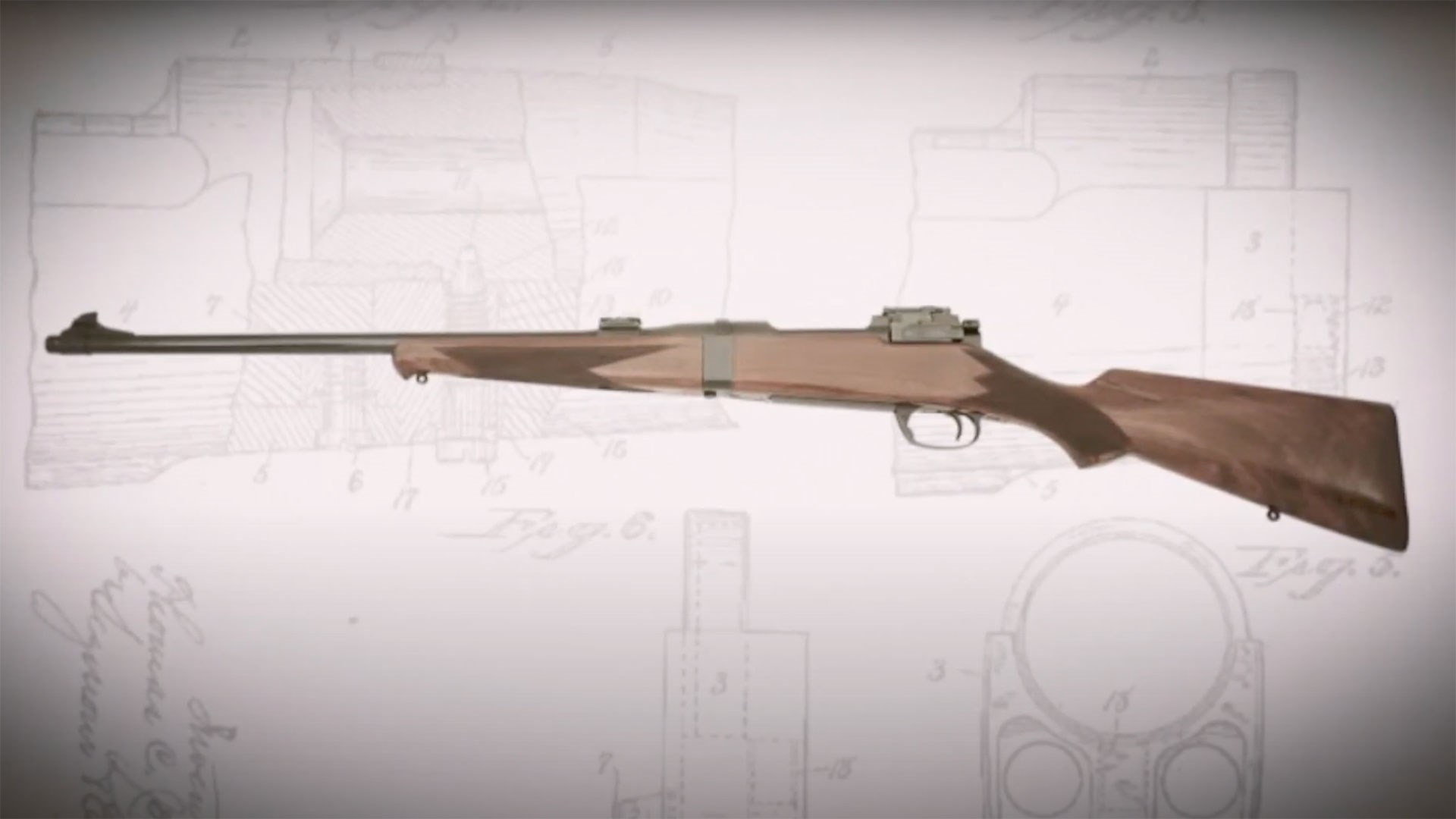
Like Remington, Winchester held a contract for the production of Model 1917, .30-'06 Sprg.-chambered, bolt-action rifles for the U.S. during World War I and produced a fairly large number during the conflict. When the war ended, like the other civilian contractors for the M1917, Winchester saw orders for further production canceled, leaving the production lines stagnant and a surplus of parts and tooling. Winchester had spent a considerable amount of time and money ramping up for the production of the military-contract rifles and sought a way to turn a profit from the investment.
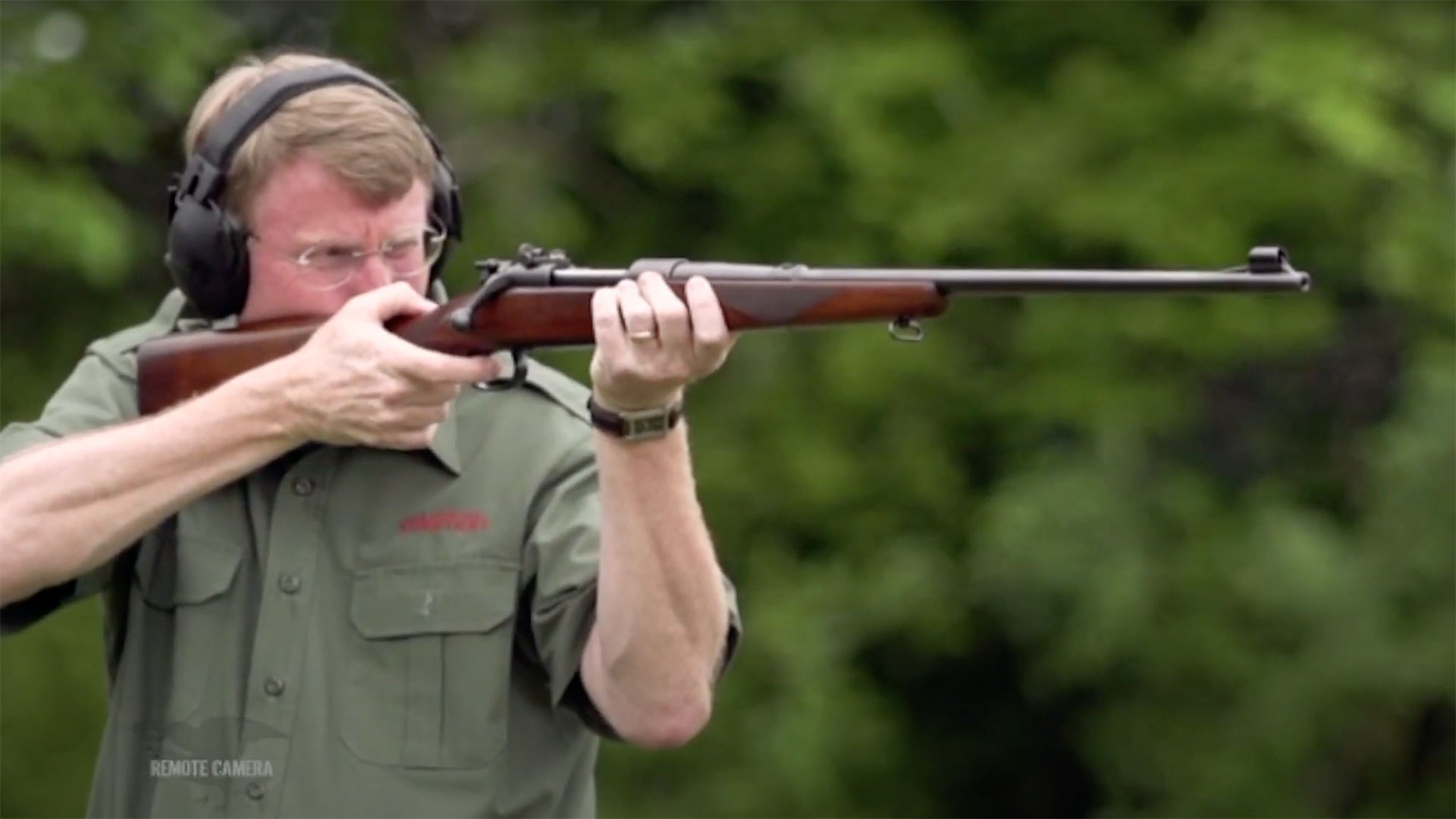
In 1919, a Winchester employee named Thomas Crossley Johnson developed a sporting rifle based off the M1917 design called the Model 51, which he proposed as a high-end sporting rifle for the commercial market. The design was shot down at the time by Winchester's vice president, but the company was forced to take a second look at the concept when Remington introduced its Model 30, also based off the M1917 design, to the market with success. In response, Winchester developed the Model 54 in the 1920s, which featured many of the slimmed-down features of a sporting rifle, while still drawing influence from the design of the M1917. While the rifle had success, and introduced the .270 Win. cartridge to the market, it still had some issues inherent from the M1917 design.
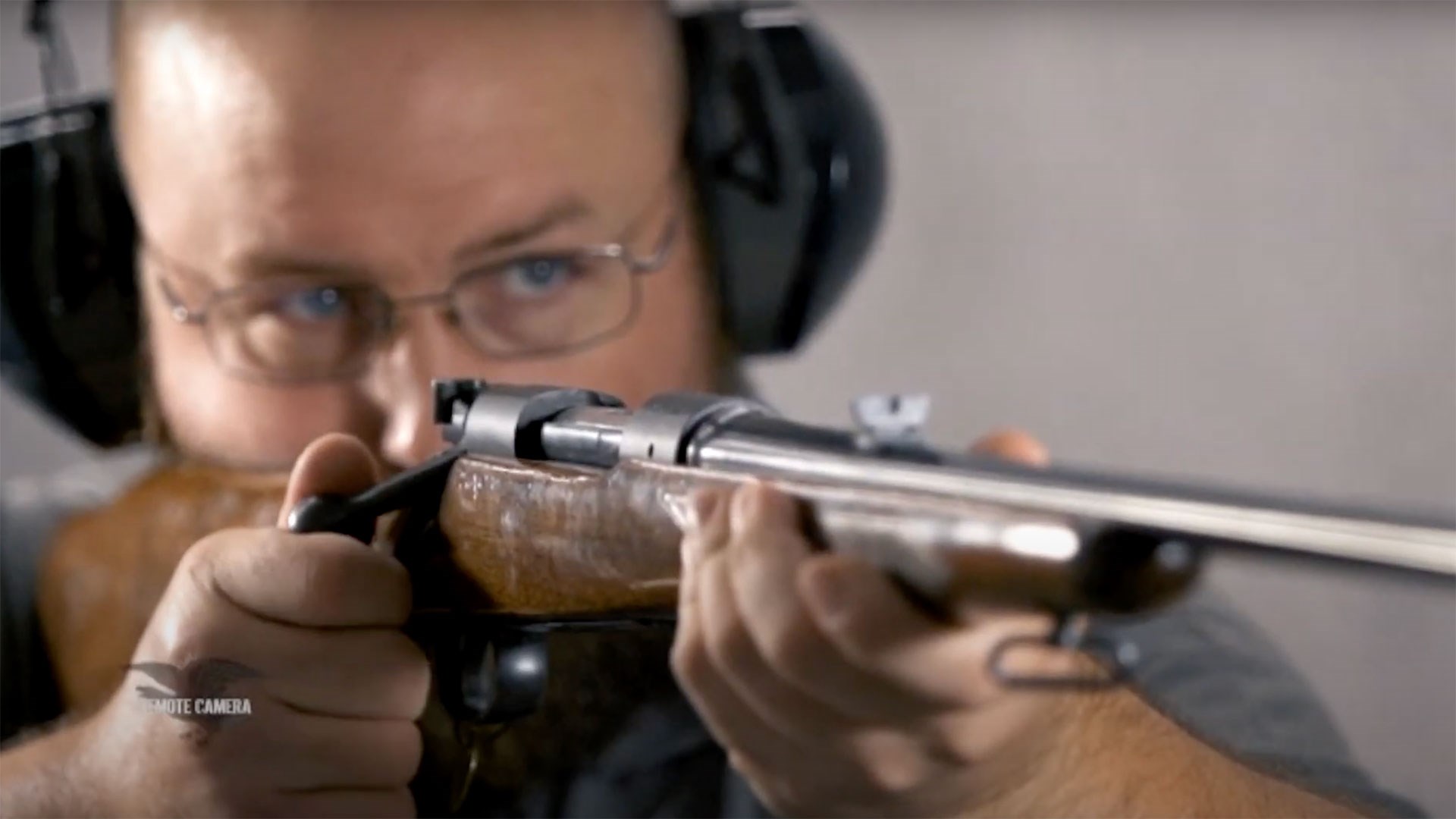
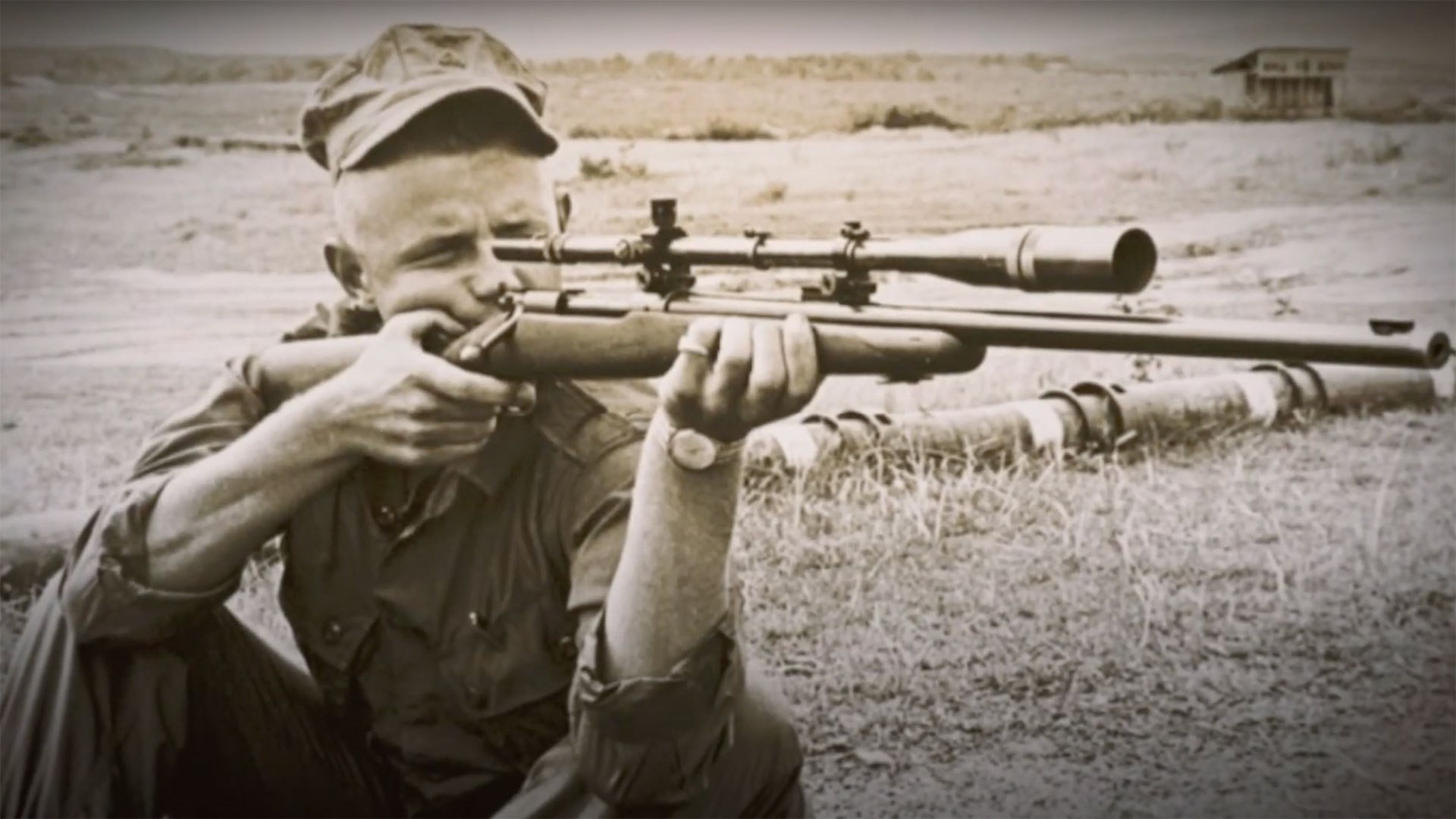
Thus, Winchester designers went back to the drawing board, and in 1936, unveiled a new, sleeker bolt-action design called the Model 70. Using a three-position safety, five-round internal box magazine and Mauser-style feed and bolt system, the Model 70 immediately proved to be a commercial success. This was furthered by the fine quality of the rifles, which were also fairly priced. Winchester then began to introduce several different variations over the decades, along with a wide variety of chambering options for the Model 70. The design wasn't limited to commercial success, either, as the U.S. military examined the Model 70 as a possible sniper rifle in the lead-up to World War II, and it even saw use in the hands of USMC snipers in the Korean and Vietnam wars.
Today, the Model 70 is still produced and offered by Winchester Repeating Arms, with several different versions ranging from classic blued metal and wood stocks, to camouflage patterns and synthetic furniture for more intensive all-weather use. To learn more about the current versions of the Model 70 offered by Winchester today, visit winchesterguns.com.
To watch complete segments of past episodes of American Rifleman TV, go to americanrifleman.org/artv. For all-new episodes of ARTV, tune in Wednesday nights to Outdoor Channel 8:30 p.m. and 11:30 p.m. EST.