For much of the 20th century, the go-to rifle platform for many American deer hunters was a wood-stocked, bolt-action rifle, typically outfitted with iron sights and, particularly in the latter half of the century, a mounted optic. Today, the bolt-action rifle is still a popular option for those going after the American whitetail, but much of how these rifles are built has changed. Watch our "American Rifleman Television" feature segment above to understand what goes into a modern-day deer rifle.
"I think plenty of American deer rifles of yesteryear were plenty accurate, no question about it. But I think on average, a gun manufactured today can be counted on to be more accurate than its brethren that's 50 or 60 years old," said J. Scott Olmsted, editor in chief of American Hunter. "The manufacturing processes have become more streamlined. The protocols that have been written down, written into the manufacturing by engineering standards, I think it improves everything. I think a hunter should be able to expect to buy a $400 rifle or a $1,200 rifle, off the shelf, and go out and shoot under one m.o.a. I think he should be able to expect that."
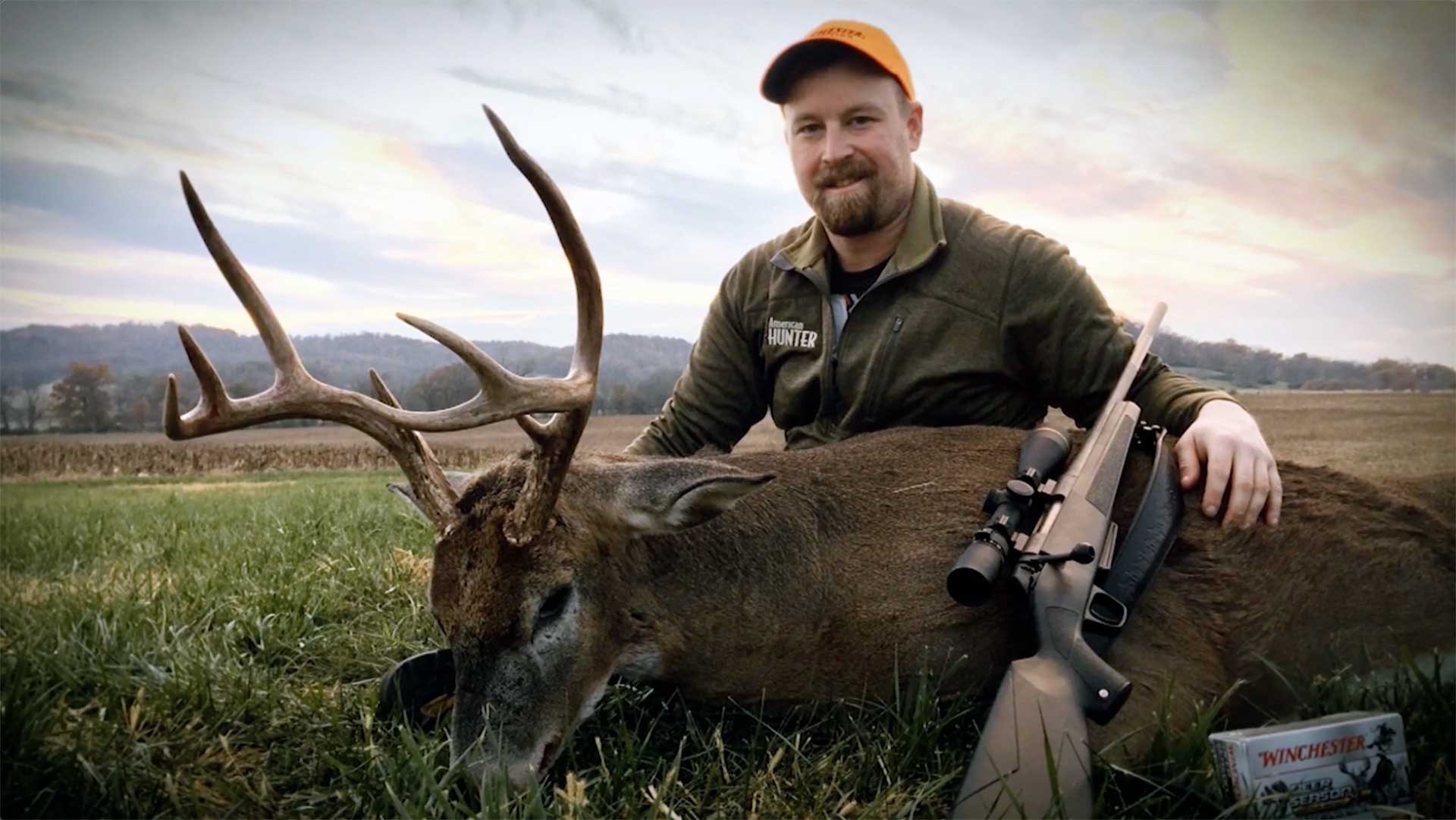
Today's deer rifles have also evolved to be more capable across the different hunting environments in different corners of America.
"Growing up, I was always told, as far as a deer rifle goes, it's kind of an east- and west-of-the-Mississippi-type thing. You know, west of the Mississippi, you're a .30-'06 guy. East of the Mississippi, you're probably a lever-action .30-30," said Jon Draper, senior executive editor of American Hunter. "That's kind of the way I perceived things to be until it was actually time for me to buy my first rifle, and all I wanted was a .30-'06. Now that being said, I did most of my hunting on the East Coast, and that .30-'06 was more than enough for what I needed. A .30-30 would have done just fine. But out west, you know, those longer shots, 300, 400, 500 yards are not uncommon. So, I think the trend of modern hunters today are, you know, they want the best of both worlds. No longer do they have to stick with one thing, a certain cartridge or a certain rifle."
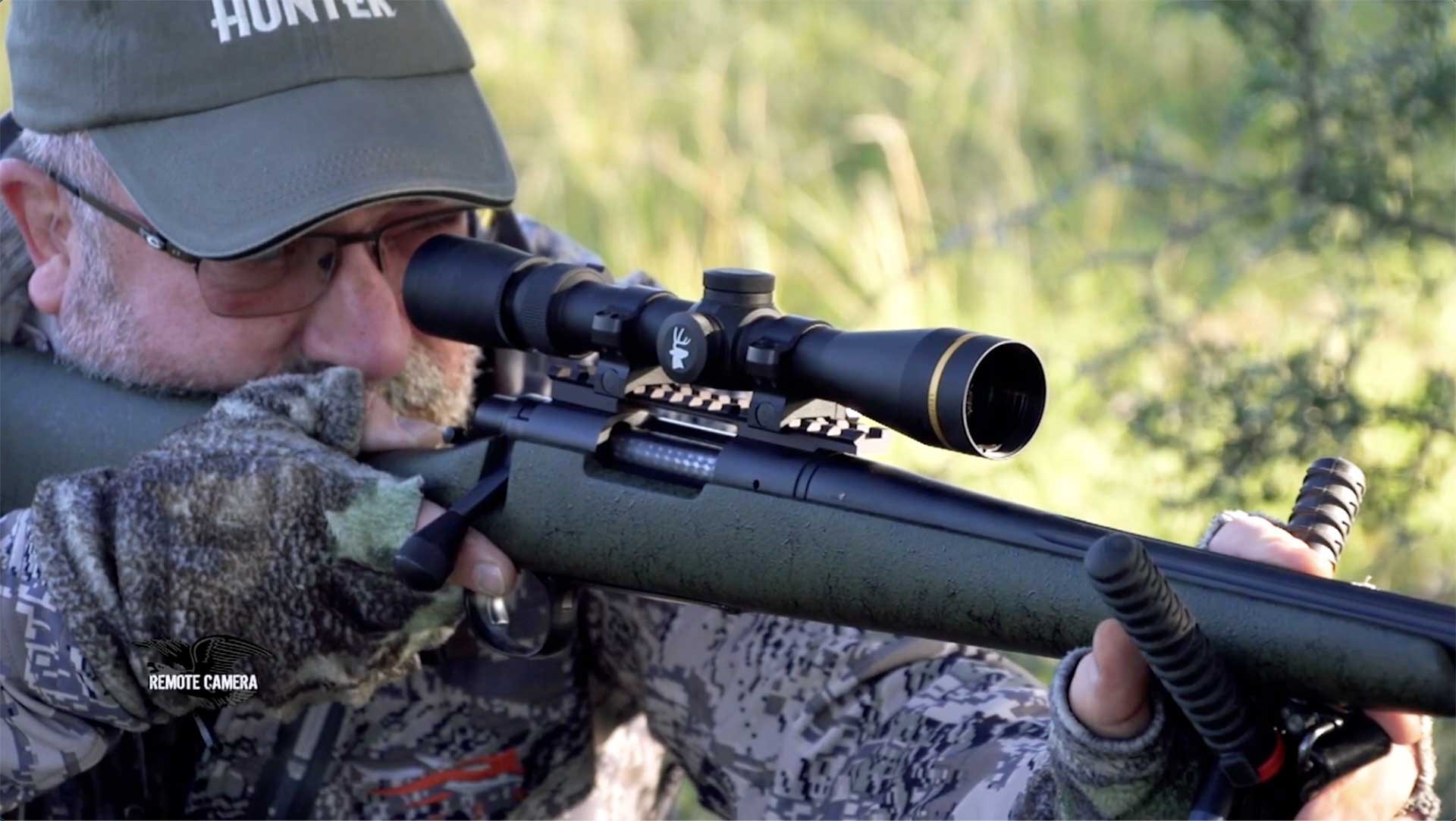
The advent of modern optics, which came into use during the 20th century, also changed the way hunting rifles themselves were built.
"Once upon a time, rifle scopes weren't popular at all or even used. And so the drop at comb. on a bolt-action rifle from the 1930s or '40s, was quite low by today's standards. It would have been hard to mount a scope low enough to look through it properly, but nobody was thinking of riflescope use back then," Olmsted said. "They were thinking of getting a good cheek weld and being able to look down the barrel, down at the sight plane, from the rear sight to the front sight. That was the primary aim then. Today, a straight comb is pretty much standardized, and you can do a low-mount riflescope on there or a high mount, if you've got a big objective bell, and you should be able to expect to throw the gun up, get a quick cheek weld and get your eye position right behind that eye box, no problem."
The standardization of bolt-action hunting rifles across the industry has also made it easy not just for prospective hunters to gain information, but also for gun retailers to provide resources and background to those shopping for a go-to hunting arm.
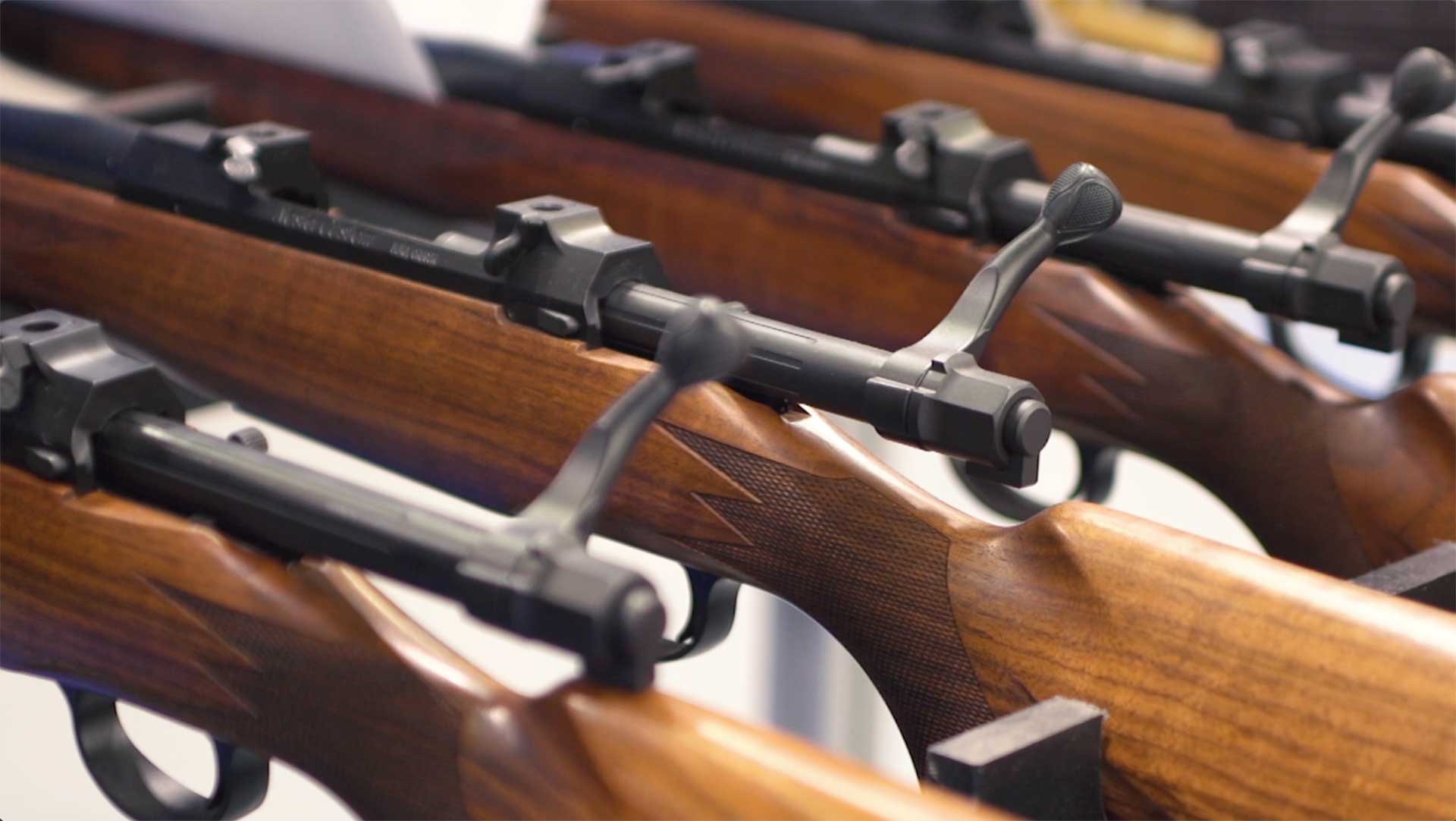
"You go to a store now, you ask the guy behind the counter, "What deer rifle should you buy?" He's gonna be knowledgeable, he'll have some options for you there, more than one or two," Draper said. "You pick up any magazine out there, you'll be able to gain a lot more information on which rifles you should buy. The same goes with ammo. Whether it be the Hornady American Whitetail or the Winchester Deer Season Loads, all those loads were designed to effectively kill whitetail deer at whitetail-deer-effective ranges. And that same technological advancement, you know, with the bullet construction, the barrels of the guns, the guns themselves, everything has just gone an extremely long way to make sure today's deer hunters have not just lots of options, but provide them with a very clear path as to what the best option may be."
To watch complete segments of past episodes of American Rifleman TV, go to americanrifleman.org/artv. For all-new episodes of ARTV, tune in Wednesday nights to Outdoor Channel 8:30 p.m. and 11:30 p.m. EST.