One of the observable trends in the market is a resurgence in the popularity of the revolver. From snubbies to field revolvers and everything in between, the revolver is having a moment. Used prices of long-neglected service revolvers and classic American double-action models have risen sharply, while manufacturers are responding with increased production of high-demand models. Smith & Wesson dropped the internal lock from multiple models after decades of clamoring from purists. Colt has introduced and expanded its latest versions of the classic "Snake Guns." In a market that has been largely flat shooters have had trouble finding some of the newest revolver introductions of the last year or two. The revolver seems to be gaining ground in both sales, daily carry and shooting/training interest.
American Fighting Revolver (AFR) had the idea to combine an open to the public vendor expo with a weekend of revolver-focused training blocks. The result was RevolverFest conducted at the Clinton House Plantation in South Carolina last fall. The honchos at AFR brought in most of the biggest names in the training world known for revolver instruction and then arranged space for the major revolver manufacturers and many wheelgun accessory vendors to have a demo day where shooters could sample the products. Lipsey’s, the major distributor known for high-demand distributor exclusive versions of popular firearms, came onboard as the title sponsor.
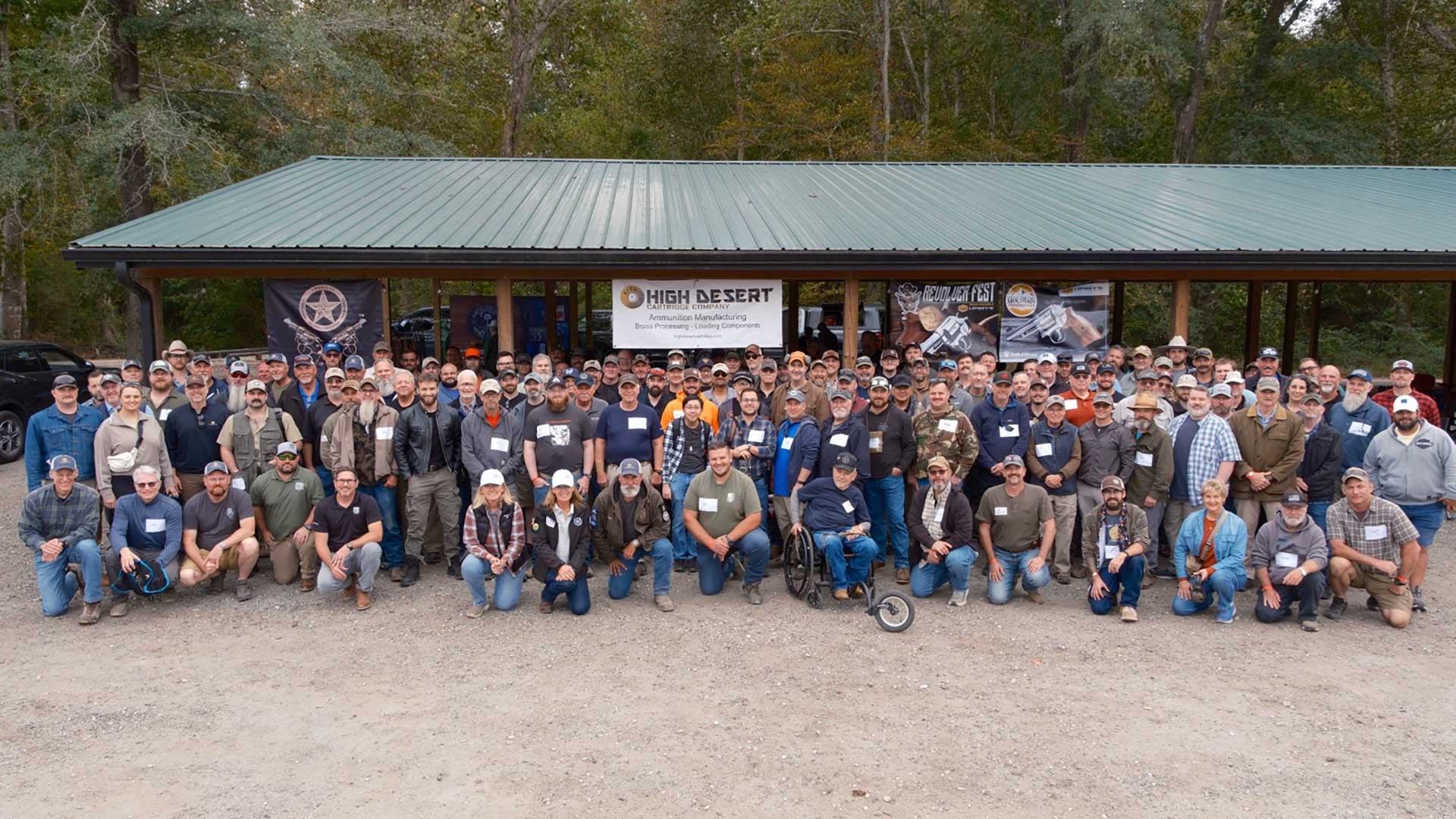
More than 150 shooters attended as students, with another bunch coming out for just the industry day, so a reasonable estimation is that well over 200 revolver folks dedicated a holiday weekend to travel to South Carolina and celebrate the wheelgun. I was honored to be one of the instructors for the event, and as I interacted with the participants, I quizzed them on what they thought about the state of the revolver. Why, in a world of micro nines and omnipresent striker-fired polymer pistols, was the revolver enjoying a mini Renaissance? The answers ran a broad spectrum, but most could be "smushed" into a few themes.
Tradition
Many shooters enjoy the traditional aspect of the revolver. For some, it was the blued steel, wood and (gun)leather. For others, even the modern double-action revolver evoked the best of The American Century and hearkened back to the earlier frontier revolvers.
Safety & Simplicity
The simplicity and reliability of the small- and medium-frame revolver was the attraction for a chunk of shooters. Many had migrated from the ubiquitous compact semi-auto or micro pistols to a small revolver they found adequate for personal protection with an additional margin of perceived safety in their carry mode. For others, there was an aspect of reliable, "(five or )six for sure" function.
The Shooting Experience
Early double-action revolvers were often described as "trigger-cocking," and that unique feel of rolling the cylinder into place while dropping the hammer through the trigger’s arc has an appeal of its own. Some shooters like the challenge of "steering" the trigger through the stroke, while others are drawn to the mechanical function of the revolver as compared to the semi-auto.
"Plastic Fatigue"
This was a term used several times. In a market awash with largely similar, polymer-frame, striker-fired semi-automatics, the revolver is… different. It was interesting to see this feeling echoed by numerous age groups with the commonality being that they were largely in a different phase of their shooting experience and were enjoying exploring the revolver as a quite different platform than the typical modern semi-automatic.
Preserving the Martial Art
I heard more than a few revolver enthusiasts remark on how they wanted to learn about the defensive application of the revolver before that knowledge simply drifted off as the last generation to have experience with the service revolver moved into retirement.
Each of these themes is significant and, in combination, go a long way towards explaining why the revolver is having a "mini moment" in the shooting world right now. As the makers compete for a share of this hot market with features aimed at current demands the trend might actually gain some momentum. Speaking of the makers and current models...
Demo Day
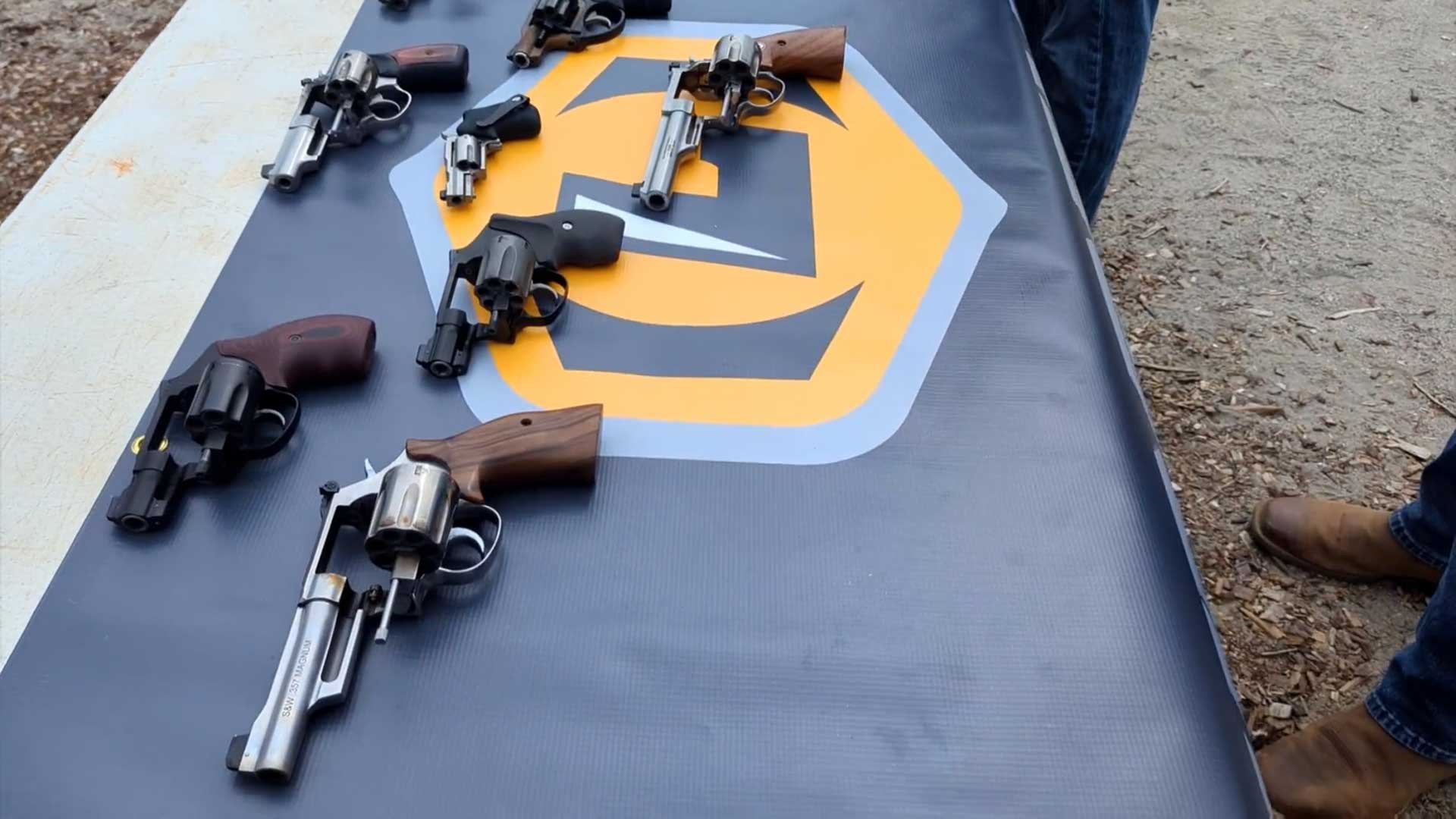
The first day of the event was Demo Day. The shooters attended a safety brief and kick off and then were free to roam between shooting bays at the Clinton House Plantation. Each bay had a manufacturer or distributor showing their product line. The day ran much like a SHOT Show media day where you have probably seen writers and "influencers" getting video at a maker’s bay as they fire a few rounds out of a new release. The RevolverFest instructors paired up with a maker to assist in running the firing line, providing pointers and answering any questions.
I spent the day at the Colt bay, and it was quite busy throughout. At one point, I was able to slip off and get a brief look at the other brands’ tables. For the participants, it was a unique opportunity to shoot much of what is on the market with the best kind of ammo (the free kind). I heard many shooters chatting about how this was the first time they had been able to find/handle a certain model and how great it was to be able to directly compare a given revolver to another competing product the next bay over.
Many of the models on display were also available at the Clinton House Pro Shop, where they had been front loaded by Lipsey’s so that participants could purchase some of the hard-to-find models and have them shipped to their home dealer for transfer.
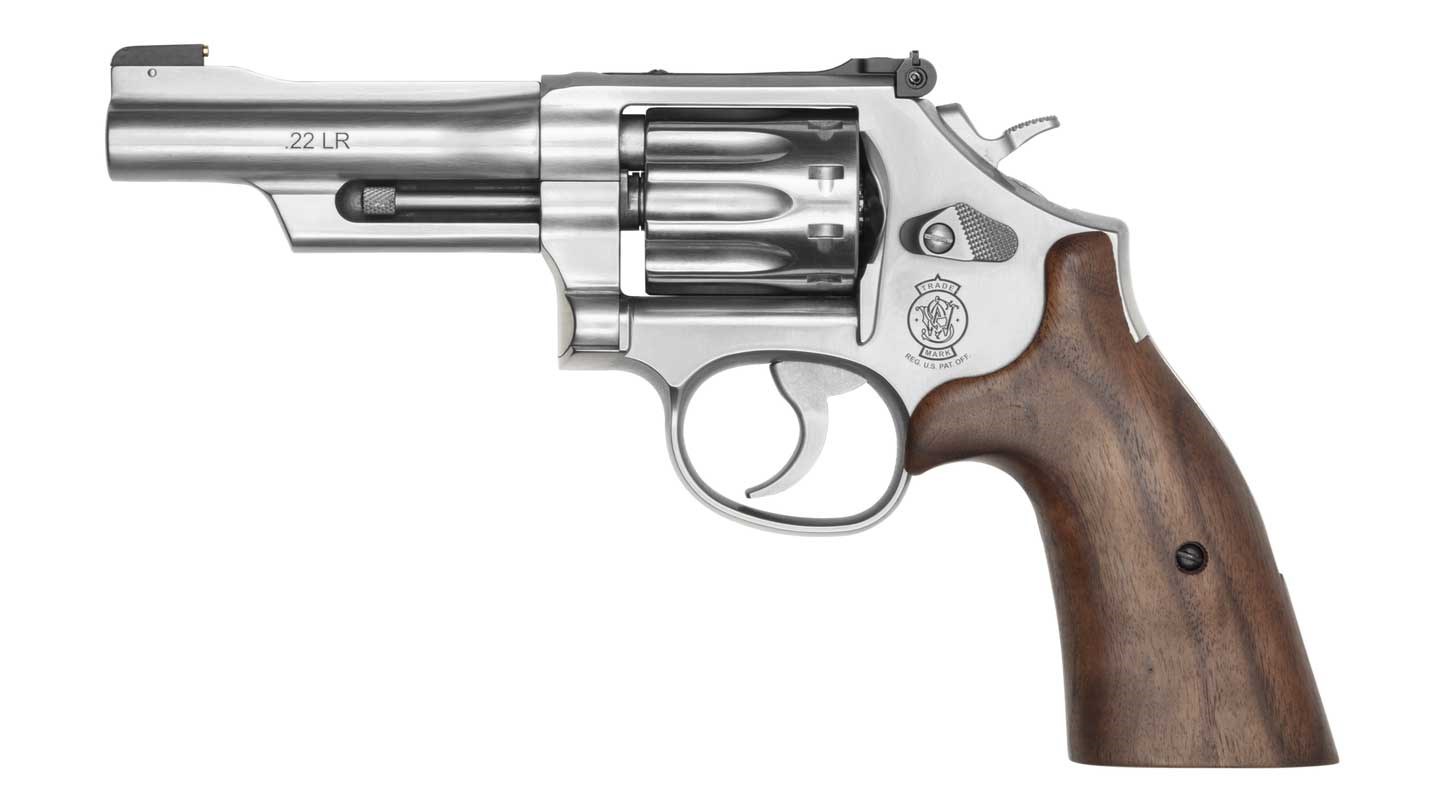
Throughout the long weekend, I asked shooters what products stood out from Industry Day. Surprisingly, the clear winner, by a wide margin, were the rimfires. The shooters were quite taken by the Smith & Wesson Mountain Gun 617 and the Colt King Cobra 22. Vintage .22 LR double-action revolvers are one of the great joys of the shooting world, but they are often associated with heavier-than-normal, double-action trigger pulls and often struggle with sticky extraction after a few cylinders of dirty .22 ammo. Colt had both a 2- and 3-inch model in its bay, and it was in constant use throughout the day with no cleaning. Loading and extraction in the 10-shot .22s remained great through many hundreds of rounds, and shooters regularly praised the double-action stroke of the medium-frame revolver.
Likewise, the new S&W 617 variant was a standout. The 10-shot Mountain Gun impressed quite a few shooters with its smooth double-action trigger and excellent balance, along with the custom stocks and gold bead front sight.
One of the mentions I heard most often from shooters was their positive initial reaction to the SDR series from Diamondback. RevolverFest shooters loved how Diamondback had taken strong design points from multiple established revolvers and melded them into a quality, small-frame snubbie.
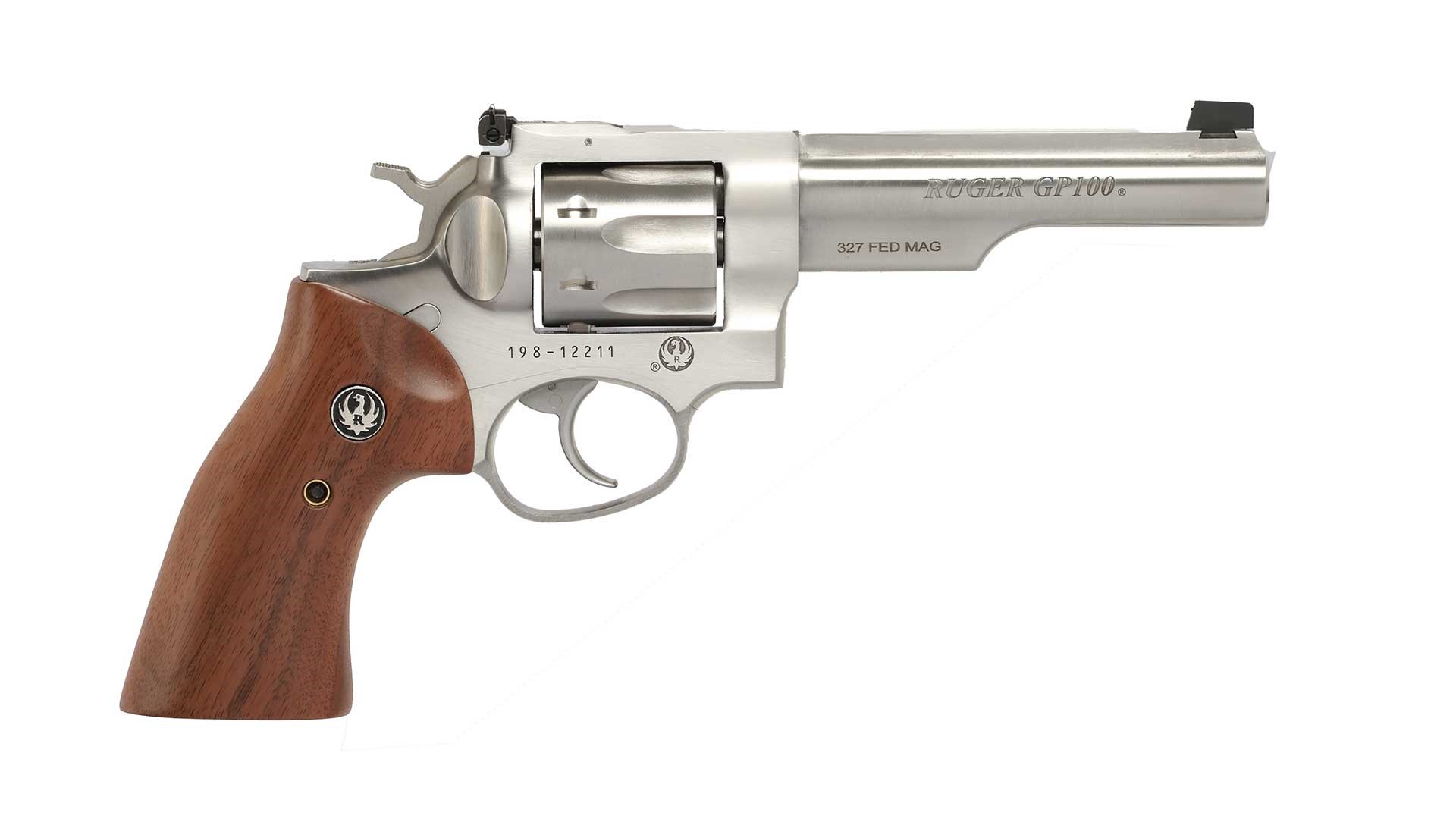
I heard regular positive mentions of numerous Rugers from the company's revolver line, but two stood out in particular at the event; the LCR in .32 H&R Magnum and the Lipsey’s Exclusive 5-inch GP100 launched at the event.
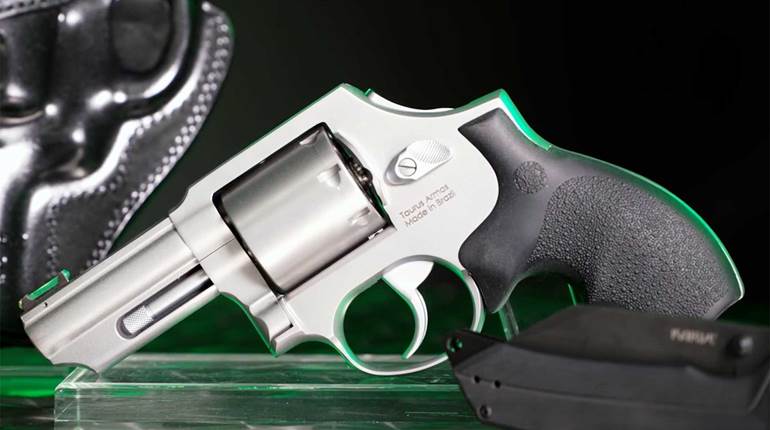
I heard a smattering of positive reactions across the extensive line of Taurus revolvers at the event. The most common mention was of the new 66 Combat model.
Since I was in the Colt bay, I was able to see the shooters reaction across the product line. There was universal approval of the Python, which is not exactly surprising, given its lineage and reputation. The surprise for most shooters was how much they liked and enjoyed the .44 Magnum Kodiak and Anaconda. I was able to watch dozens of shooters interact with the two revolvers for the first time, and universally, they praised the triggers and shot them better than they expected.
My working theory is that both guns are quite heavy but balance so well that they don’t "feel" it. The excellent new Python style lockwork, combined with extra mass, led to great shooting. The porting on the Kodiak, along with the weight, made .44 Magnum levels of recoil quite manageable. I left the event and immediately asked for writer’s samples of both the Anaconda and Kodiak.
Training Days
The rest of the RevolverFest was dedicated to morning and afternoon training blocks. Shooters chose among the 10 available instructors for the "electives" most interesting to them. I heard praise and great nuggets of hard won wisdom as shooters rotated from the blocks.
Among the shooters enjoying the training were four father-son pairs and two husband-wife couples. This was one of my favorite data points from the event. I had begun to see a small trend of younger shooters being interested in the revolver, and the attendance here confirmed this with a solid chunk of the roster being 30 years of age and under.
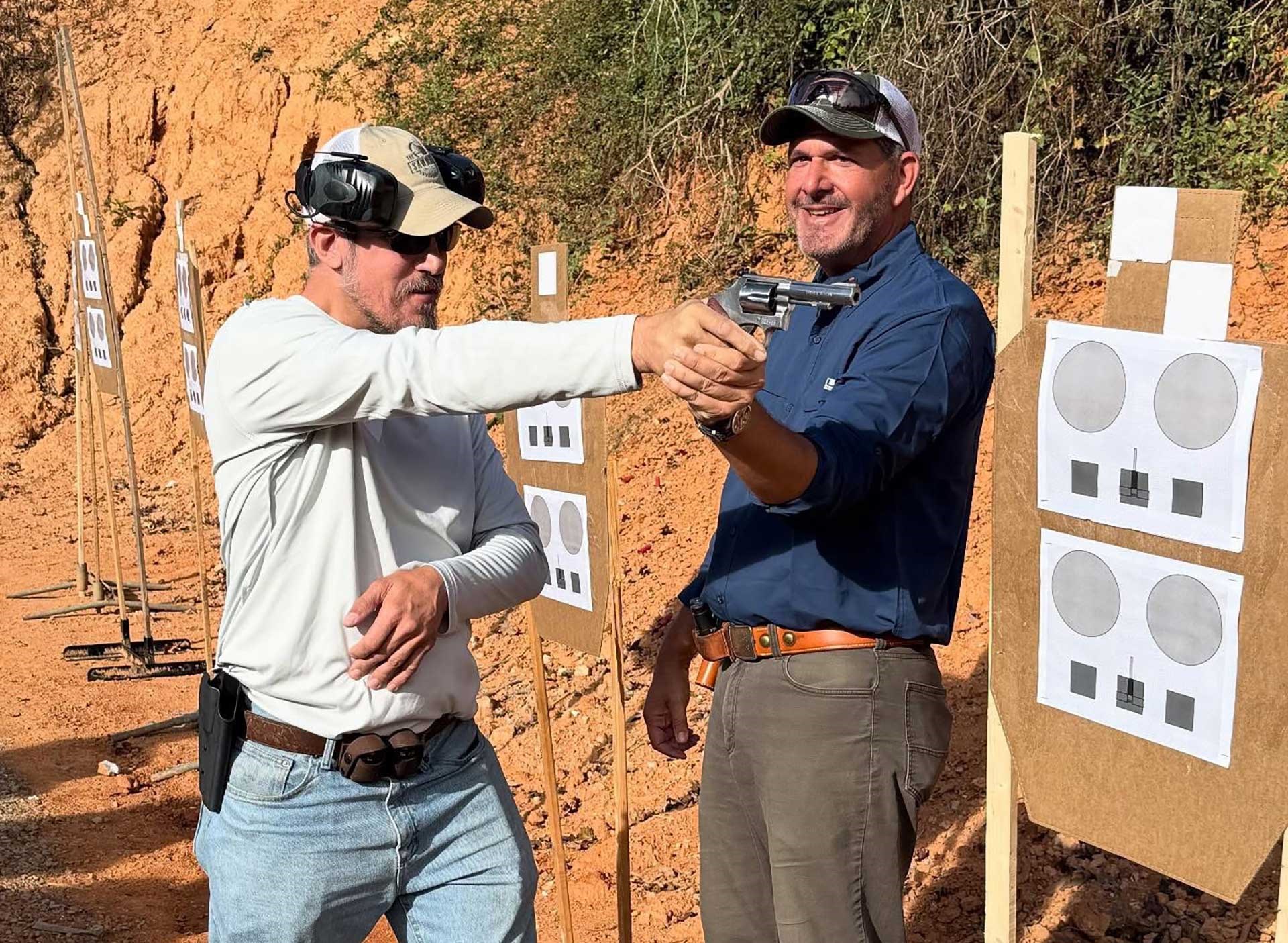
One of the best aspects of the event was more subtle. There were a solid number of regional law-enforcement legends from many states quietly attending and enjoying the event as just another unassuming, good-natured shooter. The experience and earned wisdom on the firing line was a tangible bonus to all attendees. Likewise, there were several active law-enforcement instructors from major agencies attending to further their knowledge and help their shooters back home.
At an event like this, there are sure to be a wide spectrum of revolvers in use by the shooters. I saw a little bit of everything in use; mostly .38s across brands and small, medium and large frames. There were a few .32 H&R Magnums on the line and an occasional .44 Special or .45 Colt big-bore being enjoyed. There were some of the hot-ticket new guns like the S&W Ultimate Carry J-Frames and Mountain Guns, new Rugers in GP100, LCR and SP101 trim, and a sprinkling of Colts and Tauruses (Taurii?).
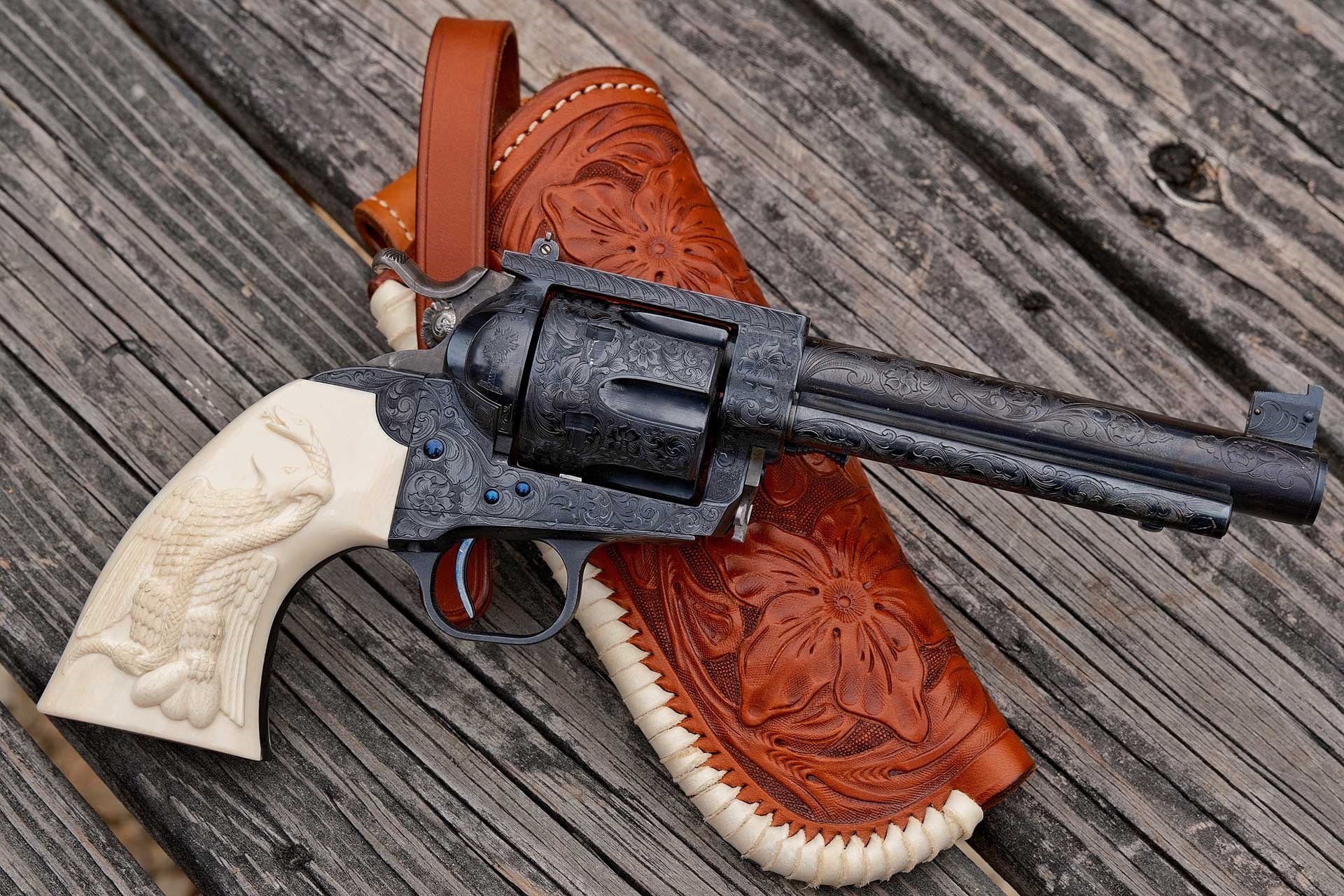
My favorite "gunspottings" in the crowd were two S&W Registered Magnums being enjoyed, as well as a few of highly customized K frames. One was a beautifully done "Smolt" with a Python barrel affixed to a highly reworked K frame and another had a 3.5-inch custom heavy barrel matched to one of the nicest actions I’ve ever felt. Not in active use in the classes but being shown amongst friends was an absolutely stunning recreation of Elmer Keith’s No. 5 single-action .44 Special.
Guns of the Instructors
I always find it fascinating to see what instructors are using at an event like this. With the depth of experience on the marquee, it is instructive to see what the headliners have holstered.
Darryl Bolke, American Fighting Revolver
Ruger LCR .22 LR; Ruger 2.5-inch GP100
Bryan Eastridge, American Fighting Revolver
3- and 4- inch Colt Python .357
Bruce Cartwright, SAC Tactical
Ruger 4-inch GP100 Match Champion .357
Wayne Dobbs, Aimpoint & Palisades Training Group
Smith & Wesson 4-inch Model 15 .38 Spl (15-6)
Greg Ellifritz, Active Response Training
Smith & Wesson 2.5-inch Model 19 .357 (19-3)
Caleb Giddings, Taurus USA
Miscellaneous Taurus revolvers
Lew Gosnell, Gunsite Training Academy
S&W 40inch Model 15; Pair of Ruger Vaquero 4 5/8-inch .357s
Chuck Haggard, Agile Training and Consulting
Ruger LCR .357; Smith & Wesson 4-inch Model 10 .38 Spl
Mike Wood, RevolverGuy.com
Diamondback 3-inch SDR .357
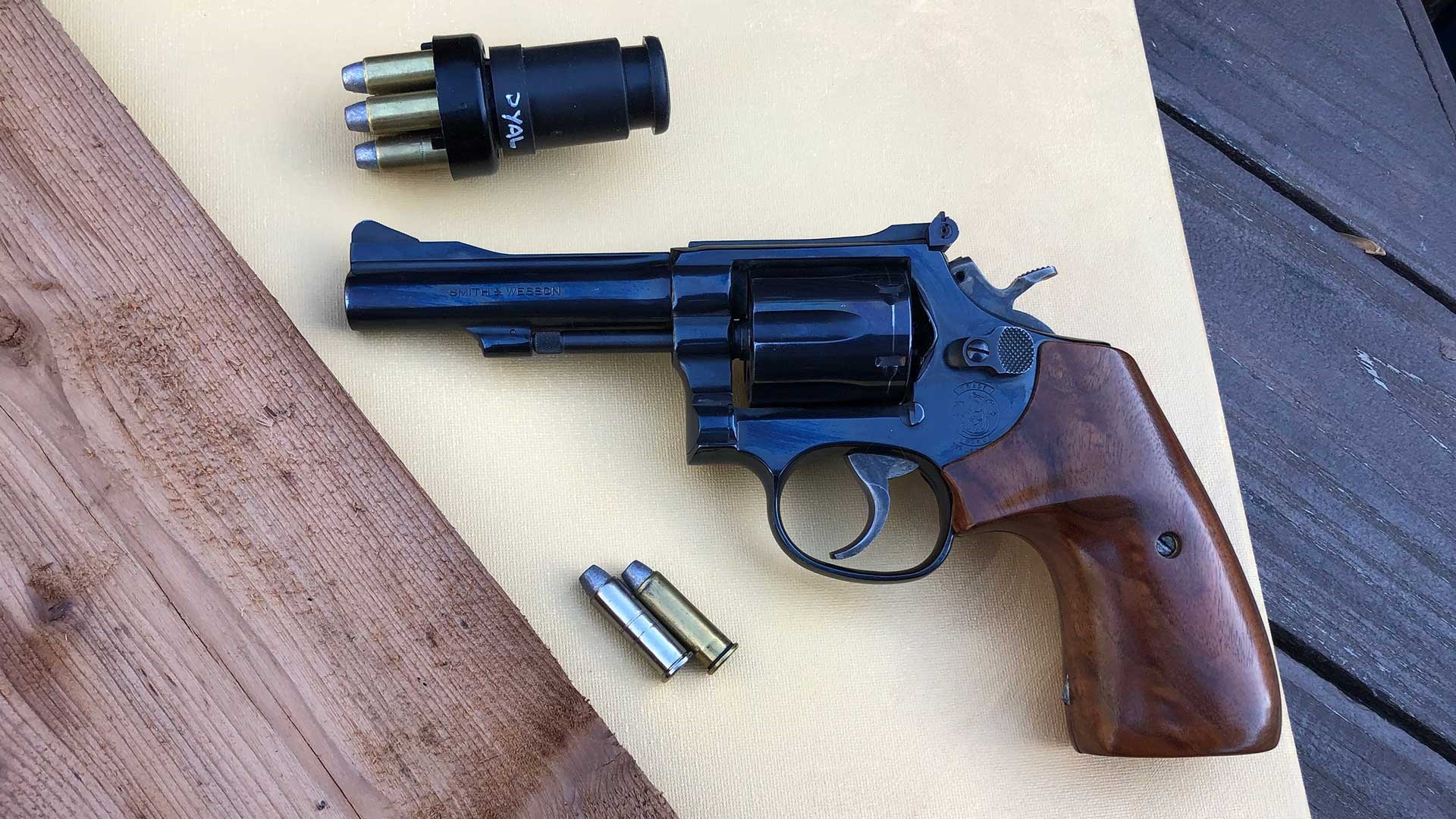
I am the outlier amongst this group of stalwarts with long, serious/professional time on the revolver. I have had a passion for the revolver as a skill-building tool and a pleasing/versatile handgun for many years but no professional experience. I used a Colt 5-inch Python for the first day and a S&W 4-inch Model 15 for the others. The Model 15 is actually a sentimental favorite. A longtime companion, it was my first double-action revolver I traded for some 30 years ago. It was a special moment to get to share some shooting ideas with the S&W that kicked off many years of enjoying the wheelgun.
The state of the modern revolver is strong. I fully expect to see more shooters explore the wheelgun as makers update and expand their lineups. I happened to run into two of the RevolverFest attendees just before the holidays, and they were still both emphatic about what a great event it was and how much they enjoyed it. One of them had just splurged on a vintage Colt Python and was already planning to come and use it at the 2026 event.
Most Popular