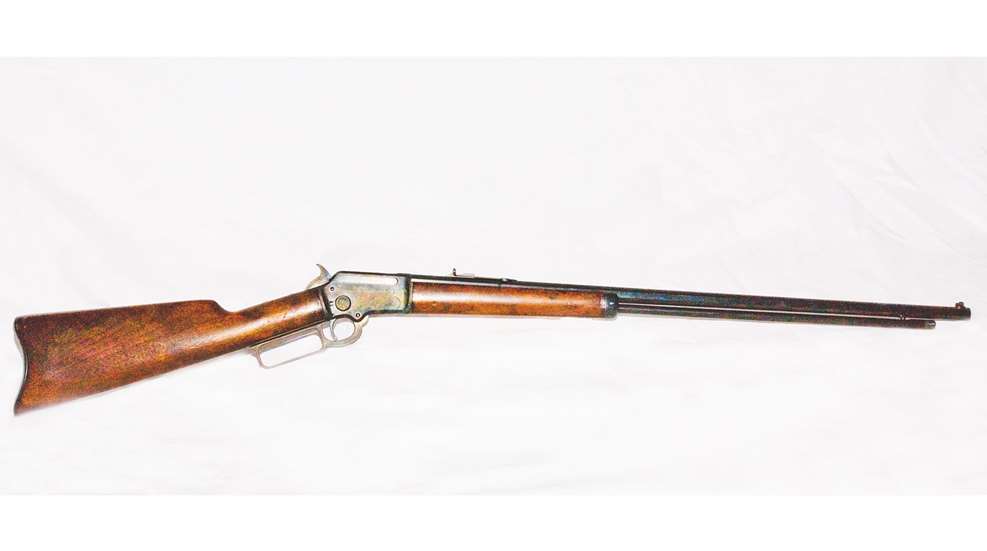
It was probably some 37 years ago that I made an impulse buy at the old and now defunct Herb Bauer Sporting Goods store in Fresno, California. I had some cash burning a hole in my pocket as I perused the used gun rack. A Marlin rimfire lever-action rifle caught my eye. It was old, and I mean old. The fore-end had a steel endcap on the front. An octagon barrel was screwed into a thin, flat-sided receiver with a flat-sided bolt. There was a takedown screw with the head about the size of a dime on the right side of the receiver. The price tag was $125, if I recall correctly, steep for the time, but as I said, the money was burning a hole in my pocket. I took it home.
The Marlin Model 1897—it was changed to the Model 97 in 1905—was produced from 1896 (or 1897, records are sketchy) until about 1915 when the factory retooled for the war effort. After World War I a few guns were assembled from parts, until 1922 when it was re-designated as the Model 39. Originally designed by L.L. Hepburn as the Model 1891 and 1892, the takedown improvement generated the new Model number. The Models 1891 and ’92 were available in .32 cal., as well, but the Model 97 was only chambered in .22 LR.
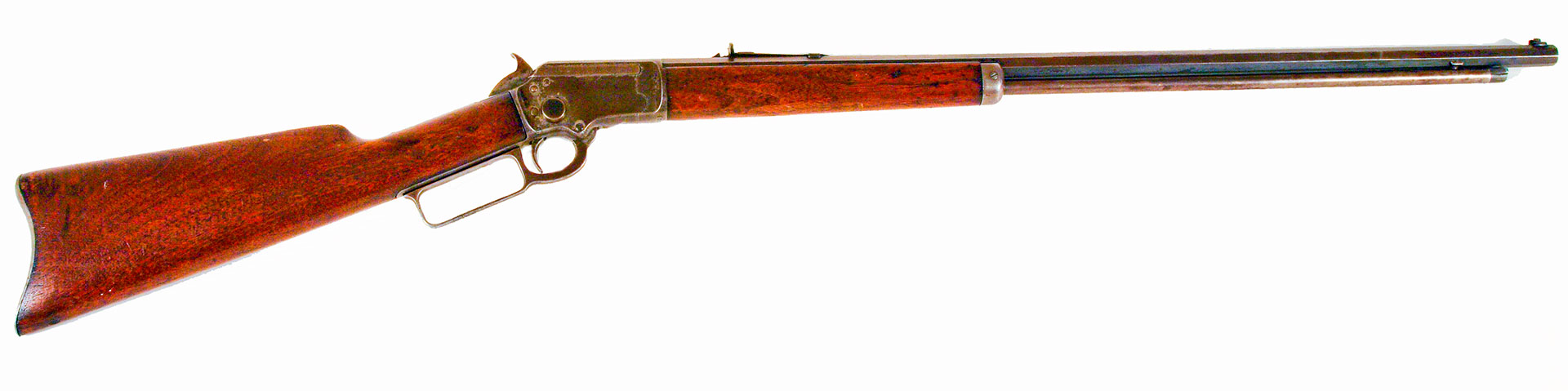
Aside from the takedown feature, the Model 97 was available in round or octagon barrel lengths from 16"to 29", was fed from a tubular magazine located under the barrel. Capacity was from 10 to 25 rounds, depending on length. The receiver was color casehardened. Stocks were American black walnut. The rear sight is a typical Rocky Mountain buckhorn mated with a blade front sight dovetailed into the barrel. When it was introduced, the Model 97 retailed for $15.35.
My ’97 was clearly not as pristine as those that were available at its introduction. In fact, it wasn’t too long after I bought it that I discovered it had a feeding problem. Too, the takedown screw had been mangle by some guy with pliers. I had access to a lathe at that time and turned out a replacement screw, but after that the little rifle languished in a number of closets and eventually safes as I moved around the country.
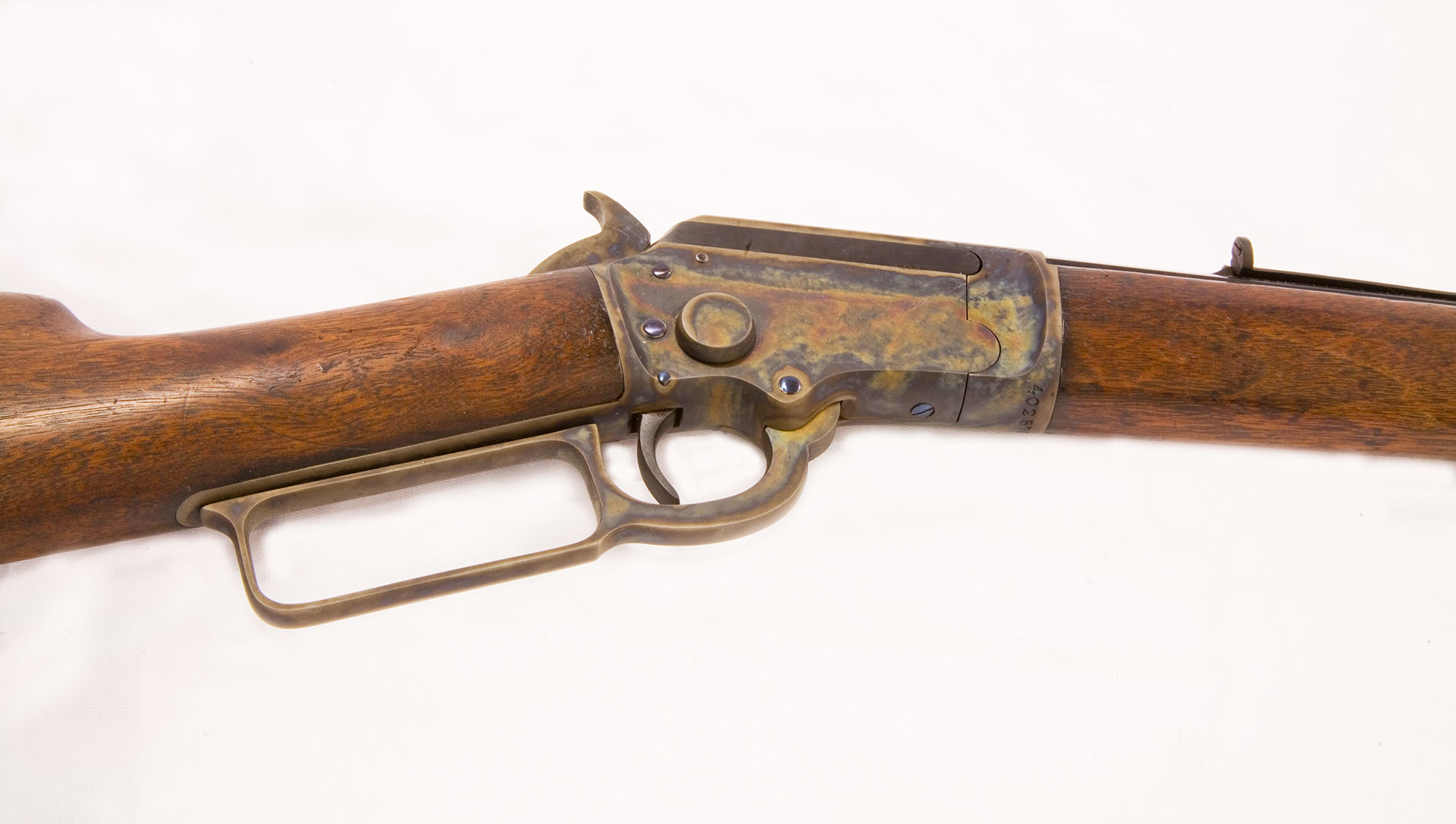
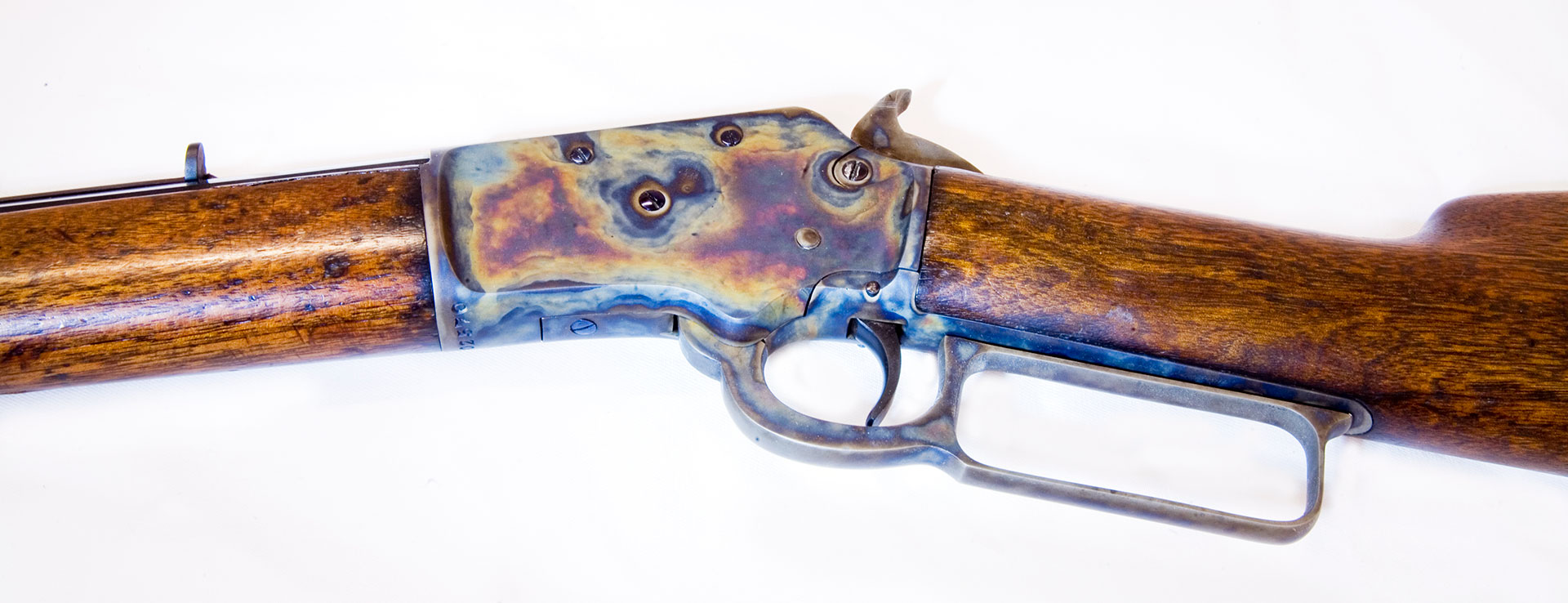
Recently, however, I decided to see if I could get this rifle running again. I took it to Wyoming Armory in Cody, Wyo., to see whether it could be made to run again. While I was there, co-owner George Dillman showed me another Model 39 that his crew had restored. In addition to a new high-grade walnut stock, the metalwork got a full treatment: bluing, color casehardening of the receiver and furniture. It was gorgeous! I mentioned something about wanting to do the same on my ’97, but without the new wood. George allowed that it could be done.
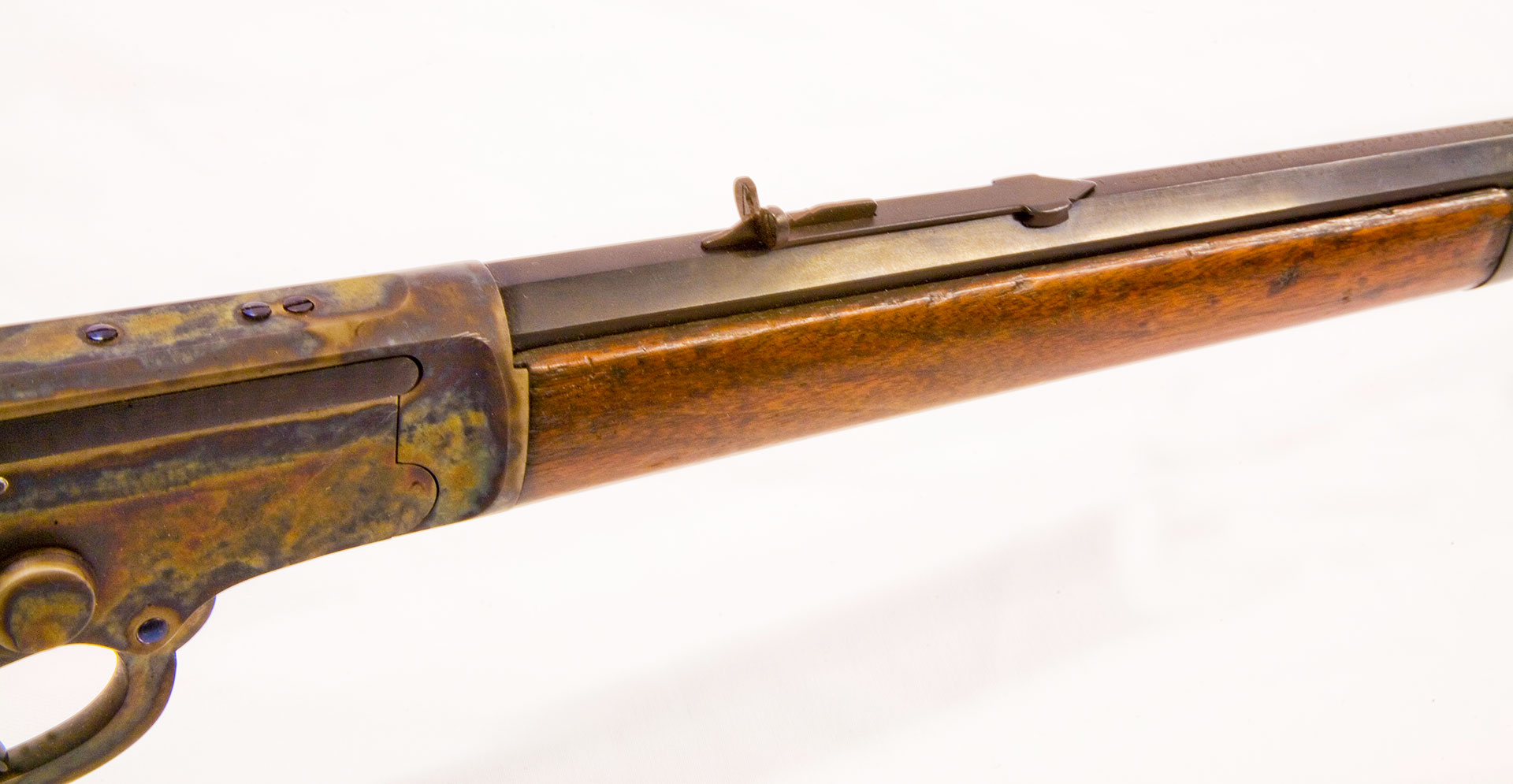
A few weeks later he called and told me my rifle was ready to be picked up. When I got there I was shocked at my new-old rifle. The barrel was beautifully reblued, the stock tastefully refinished and the receiver and furniture had been bone-charcoal color casehardened in the manner of the original. It fed well but still was stuttering on firing. We discovered that the firing pin had been pummeled to a shorter length after decades of dry firing. George ordered a replacement firing pin from Numrich, and once installed fired reliably.
A couple of weeks later I stopped by to palaver with George and the guys. I said I had a complaint about the Model 97. George gave me that sort of skeptical look and asked, “What?”
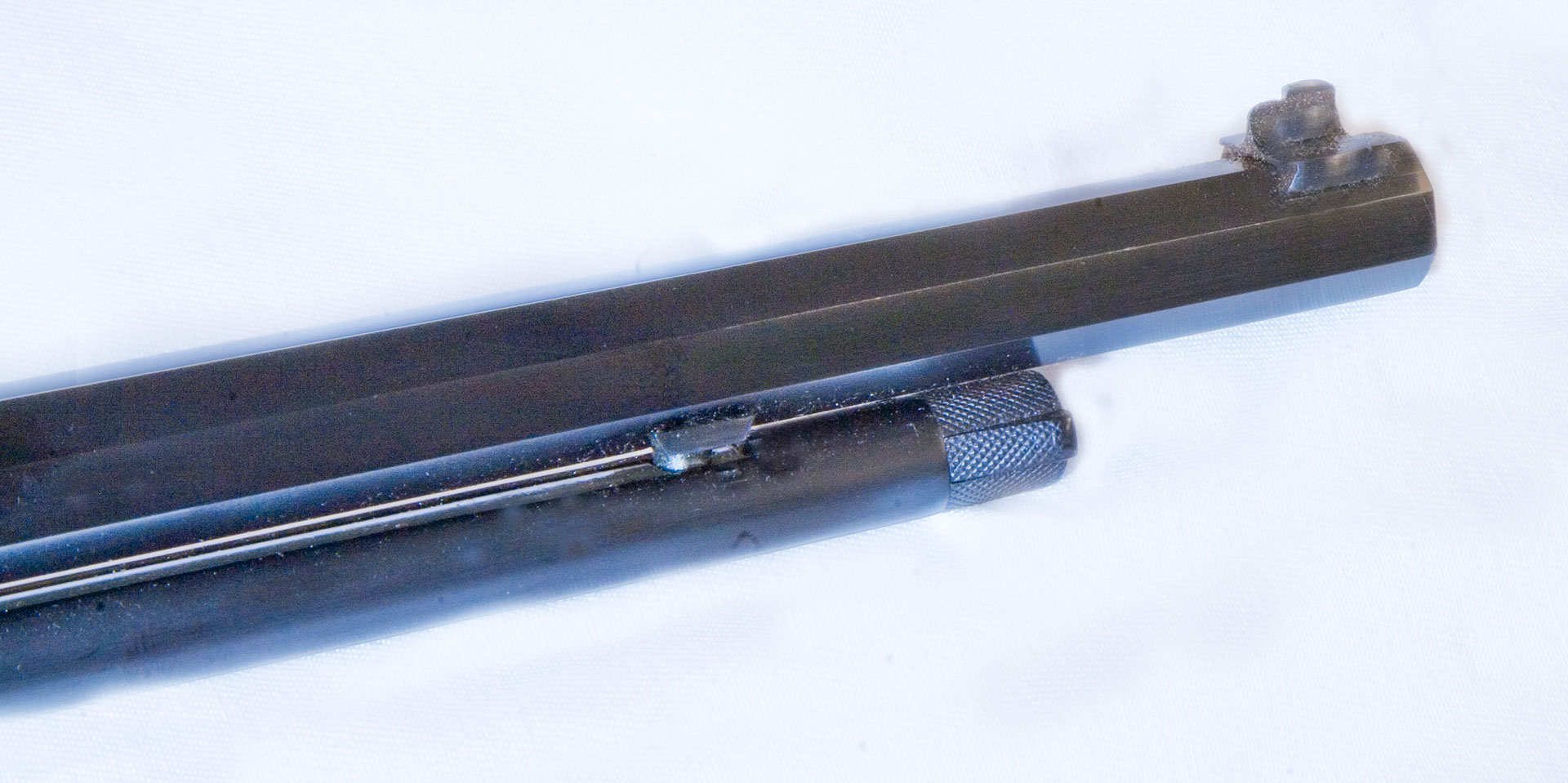
“I can’t see these dinky sights anymore,” I replied. George didn’t miss a beat, “Well, that a little beyond our service level.” We got a laugh out of that.
My new-old Model 97 may be just a plinker because of my nearly seven-decade-old vision, but it still keeps the Winchester Super-X hollowpoints in an inch at 20 yards—plenty good for the bunny busting I do nowadays. With its facelift, it’s a pleasure to take a long on an outing. If I really need accuracy, I have other scoped rimfires I can turn to.
Today’s gunners have largely been gobbled up in the idea of a throwaway society. Guns are tools. They wear out, get banged up and rendered inoperable. Throw ’em away, and get a new one. But there are us old schoolers who come from a time where a gun was a trusted tool. They were expensive—or we were poor—and not always so easy to come by. Thankfully, we now have several gunsmiths that specialize in firearm restoration and customizing. We are able to leave something of value to a younger generation.
Most Popular