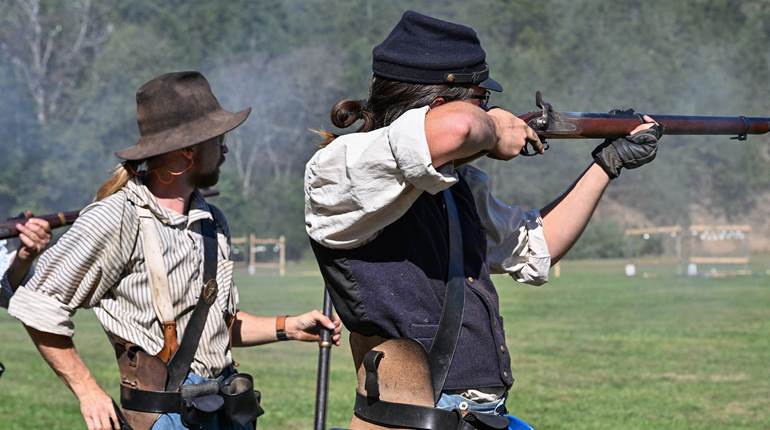
For decades, the John C. Garand Match has been the quintessential marksmanship event for fans of the classic World War II battle rifle that bears his name. Using “as issued” M1 Garand rifles, CMP competitors at Camp Perry engage in a 30-round target-shooting competition designed to play to the rifle’s capabilities while challenging shooters in the most basic field shooting positions. For years, I’ve wanted to partake in this event, and a while back, I decided to get serious about preparing for it. With that, I decided to dust off my near-retired Springfield M1, give it a facelift and build a cartridge loading that would serve this competition well.
Rifle Preparation
As a general rule, the rifle must be in “as-issued” condition, which means that if your proposed modification wouldn’t be conducted by a typical period armorer, it’s likely illegal. If you’ve been around enough M1s, then you know that some shoot better than others, and that could be for reasons as simple as conventional wear and tear on the barrel. Therefore, competitors are allowed to replace a worn military-issue barrel with a handful of approved commercial alternatives. Among those is the Satern Liberty Garand barrel, available through Creedmoor Sports.
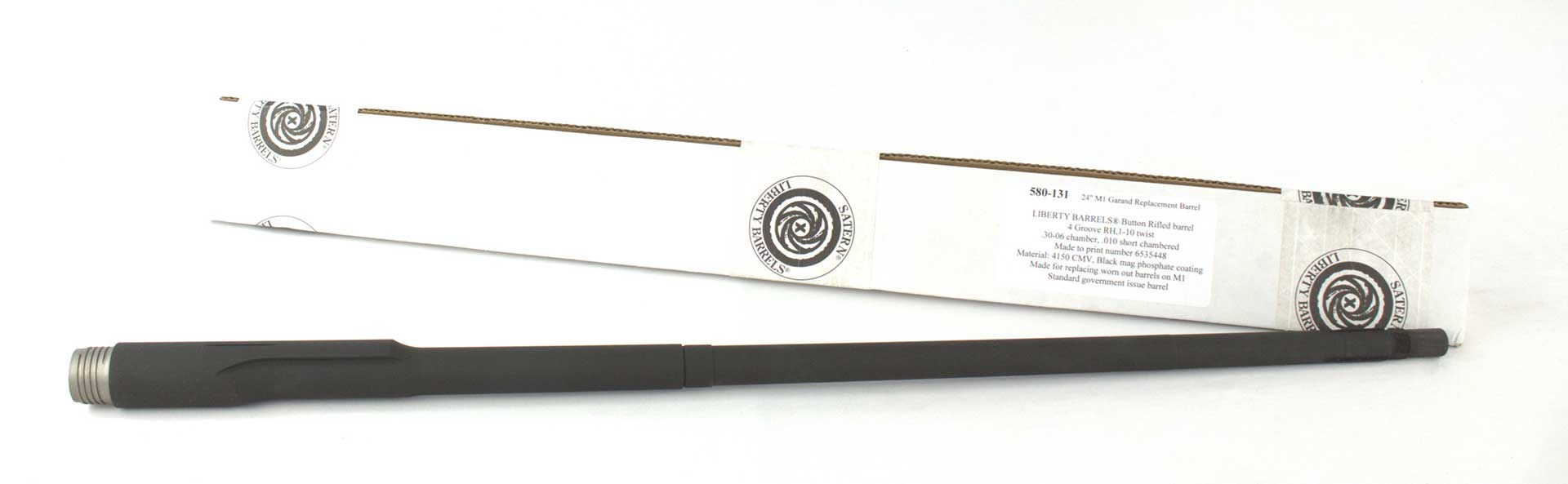
Built to the same specs as the original, Satern’s launch tube is cut with a 1:10-inch, four-groove twist and doesn’t allow the motto “good enough for government work” on their production line. In essence, it’s built to mil-spec dimensions without the mil-spec tolerances. These do need to be installed by a competent gunsmith, one who is no stranger to working on Garands. For this service, I turned to a local gunsmith, Thomas Ulmer, who was able to accommodate me in relatively short order.
As with any new barrel, a load must be developed. The rule book doesn’t regulate this process; one can do whatever they wish to with their rifle to find and build the best ammunition possible. Load development with any iron-sight firearm is difficult, as it opens up a second variable. One might dismiss a load for vertical stringing when, in reality, the up-and-down error was simply a result of a slight variance in their sight picture. Therefore, I opted to scope the rifle via a non-permanent mount from S&K Scope Mounts.
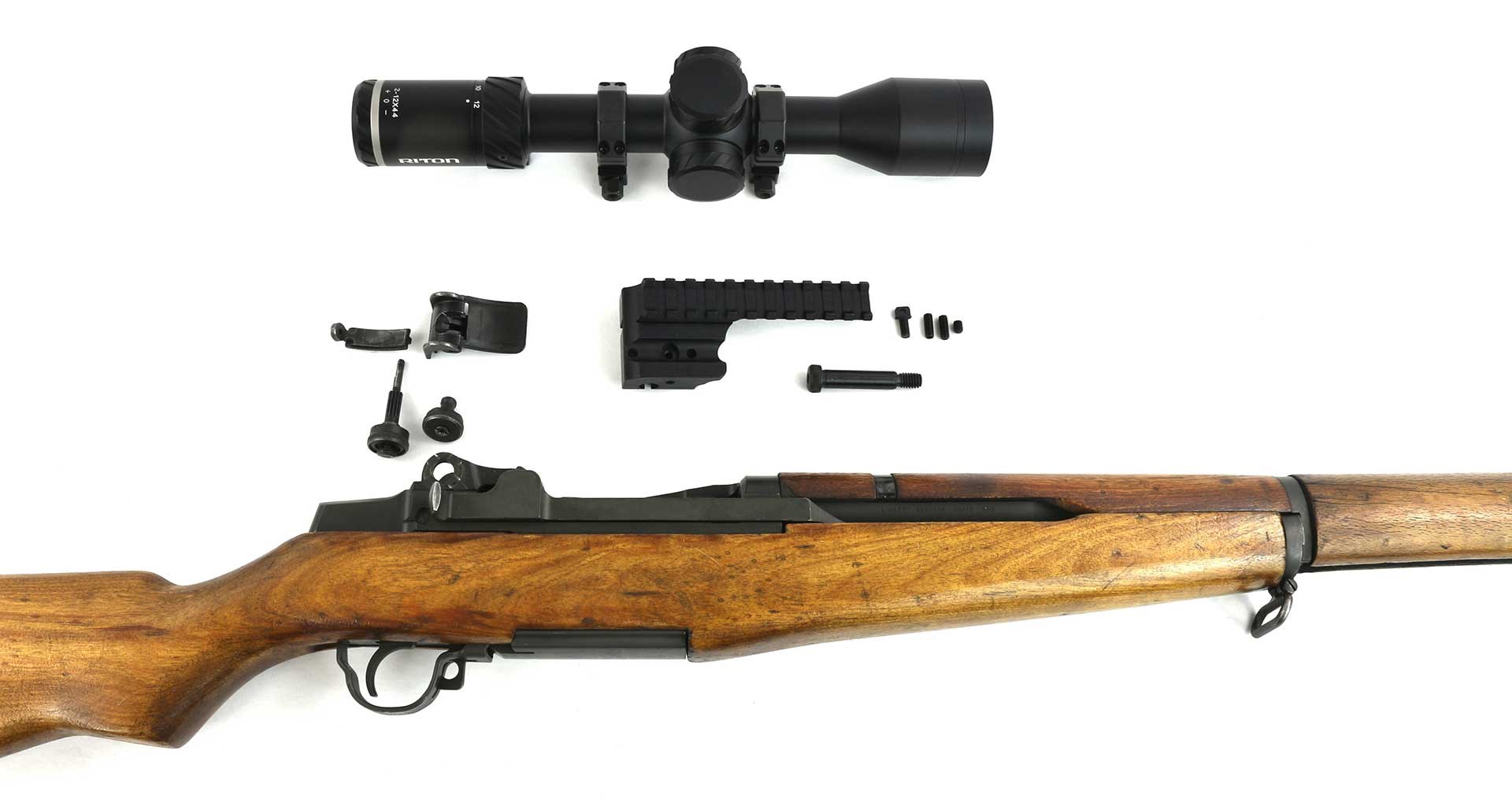
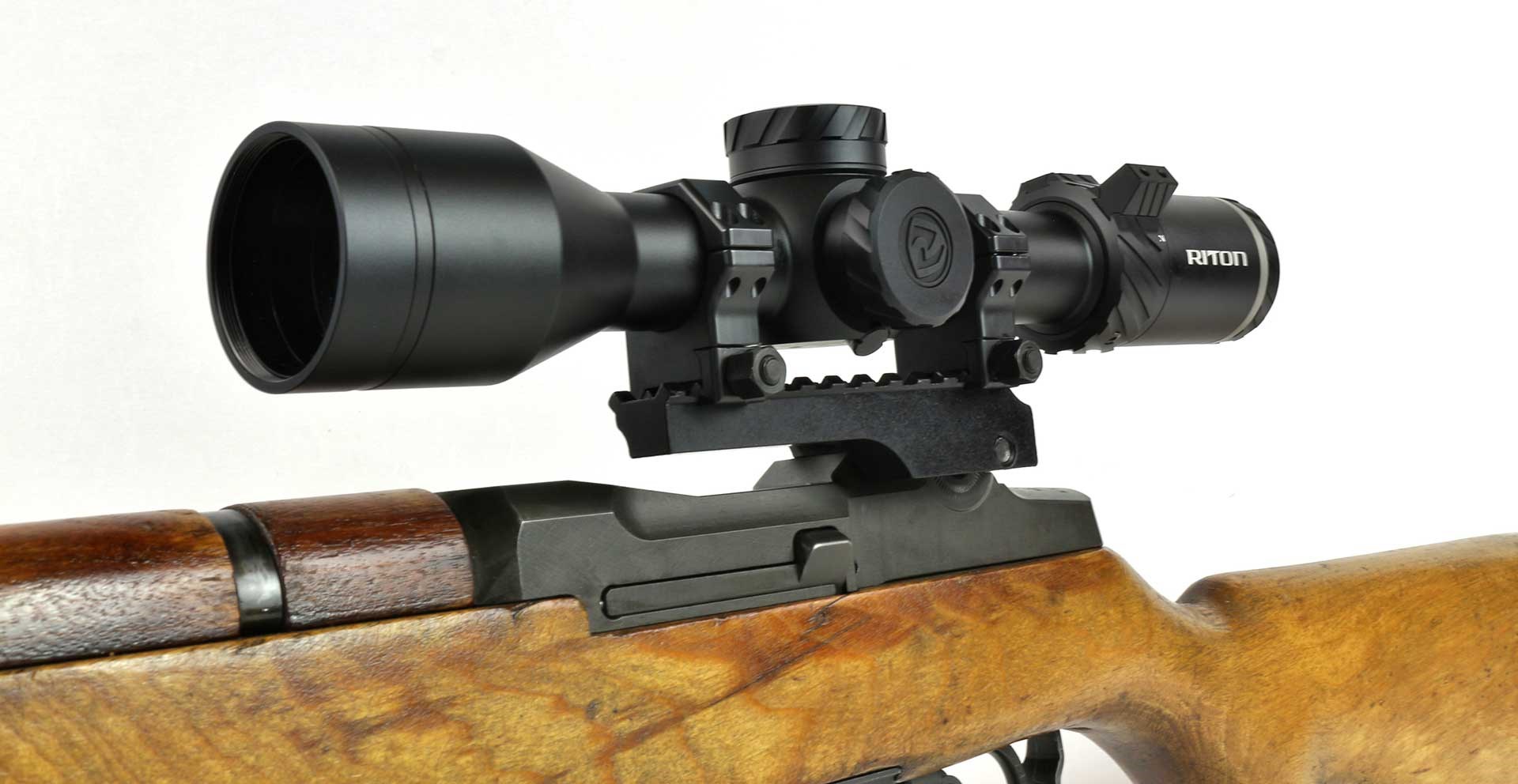
This company specializes in optic solutions for military-surplus rifles, and I found its Garand mount to be head and shoulders above the rest. By removing the rear sight components, this device slips snugly into its housing and is secured by a cross-bolt that runs through the receiver holes originally cut for the rear sight pinion assembly. Once locked down, you are presented with an offset Picatinny rail that allows you to mount whatever you wish. I opted for a Riton Optics 2-12X scope, as it provided enough magnification without adding significant mass to the rifle. Although strange, it was quite comfortable, even for a lefty.
Component Selection
The John C. Garand match is only shot out to 200 yards, so ultra-high ballstic coefficient (BC) bullets are not necessary to win. However, being that the match is only held once a year, it’s not a bad idea to consider other activities when you decide on what you want to sling. A favorite pastime of mine is stretching out an iron-sighted rifle to distances beyond 800 yards. Back on my home range, we have a berm at 1,040 yards that makes short work of spotting impacts. Hanging an 18-inch x 30-inch steel silhouette with a hit indicator is an instant recipe for enjoyment, so I like to make sure all practical loads can achieve this standard.
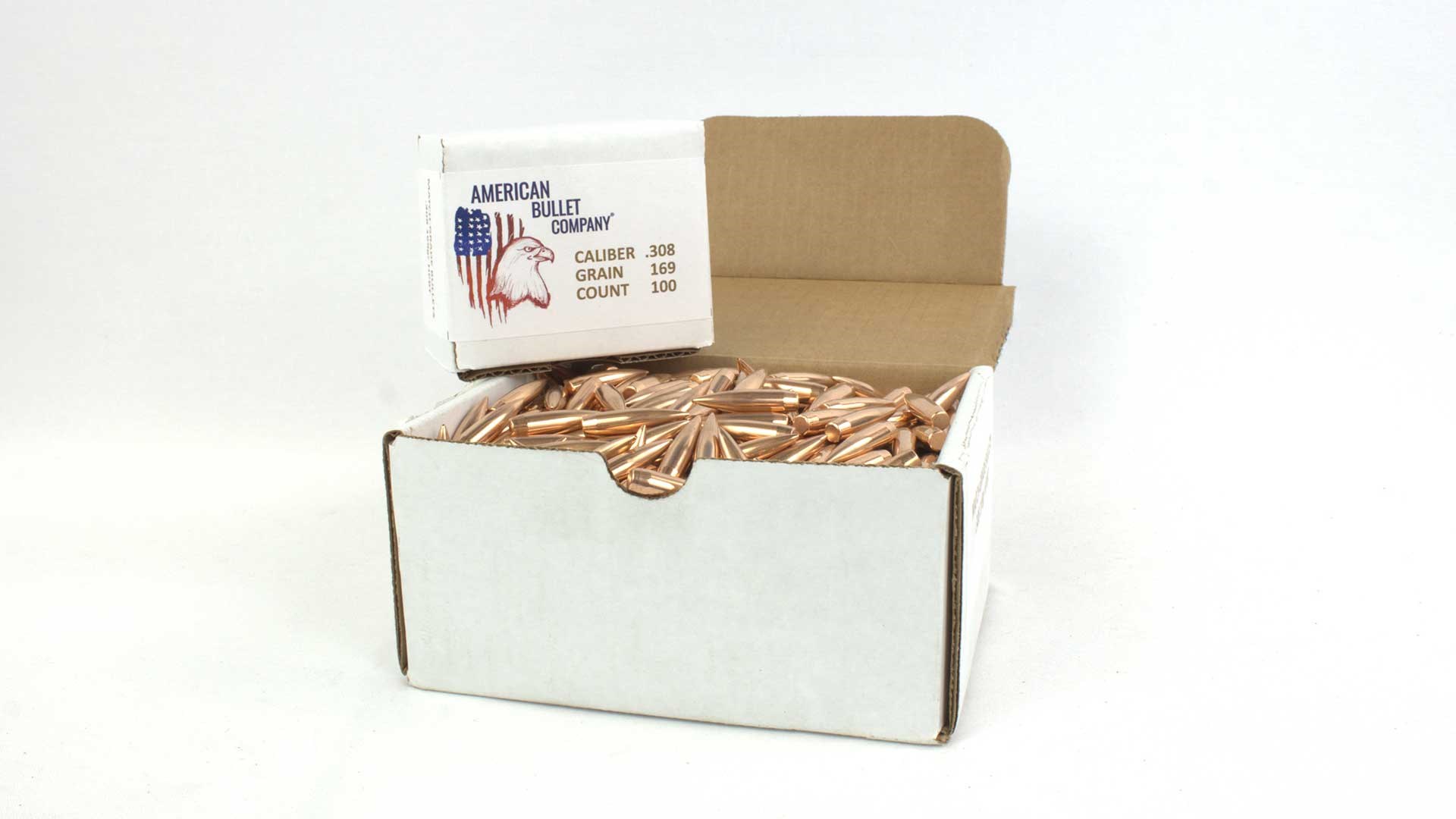
To that end, I like to avoid 168-grain .30-cal. bullets when I can, as many designs start to tumble shortly after 800 yards. American Bullet Company makes a 169-grain projectile that is a dead-ringer for Sierra’s MatchKing product of the same weight and at a much more affordable price. While one grain might not seem like much, it boldly separates it from 168-grain offerings with its longer boattail and sleeker overall profile. This bumps up BC and allows it to reach out further than many other projectiles intended for .30-cal. cartridges in this class. Sure, we can solve the problem by going ultra-heavy, but the additional recoil will slow you down during the rapid-fire stage and may even cut your practice sessions short.
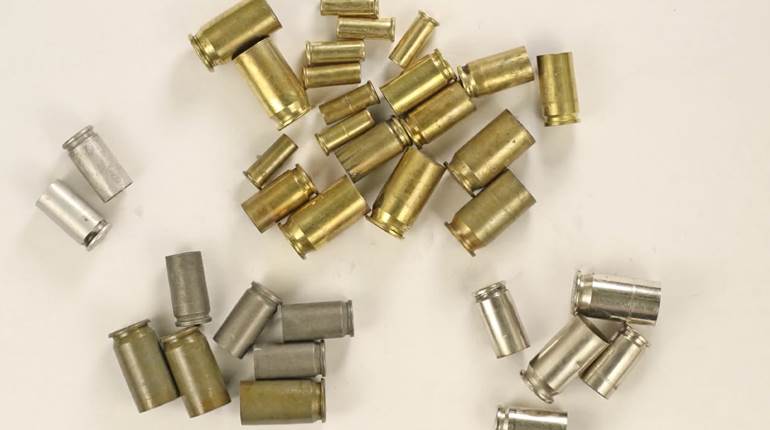
Lake City or HXP brass have been the gold standard for Garand loads for generations; however, those faucets are nearly dried up. With M1 shooters needing a high-quality alternative, Starline Brass has stepped up to the plate. Although once known for only its pistol brass, what they have been doing in the bottleneck space has been amazing. It’s not surprising that if you only do one thing, you likely do it well. Pulling a 10-piece sample from a bulk 250-count pack, I measured no more than a 1.6-grain deviation across the lot. Considering the mean case weight was 188 grains, that’s a tolerance of less than 1 percent. Putting calipers to the case mouths revealed that they were wholly concentric and consistent with one another, telling me everything I needed to know about this brass.
Primer selection is critical, as I believe the entire round is built around its bang button. In the case of military-surplus rifles, the matter is simplified a bit, as only certain brands are hard enough to hold up to the free-floating firing pin. When a Garand bolt slams home, inertia drives the firing pin forward, kissing the primer a touch. Rumor has it that a soft enough primer can detonate before the bolt is completely in battery, destroying a rifle and severely injuring its shooter. Although I’ve never seen it happen, the rumor is enough to scare me, so I keep to the hardest offerings. Aside from being tough, CCI BR-2 primers provide benchrest consistency, taking yet another variable off the table. These are always my go-to when ammo must be accurate.
Lastly, there is the issue of gunpowder. Although generally robust, the M1 carries one of the most delicate operating systems on the planet. Therefore, we must limit powders to a narrow burn rate to prevent damage to the operating rod. Hodgdon offers M1-specific load data on its website, and Hornady offers some insight into its latest reloading manuals as well. If I had to pick one factor to attribute to the Garand’s loss of accuracy potential, this would be it. Sadly, most, if not all, powders don’t fill the case enough to prevent a powder column shift. Therefore, you’ll experience a slightly different ignition from shot to shot.
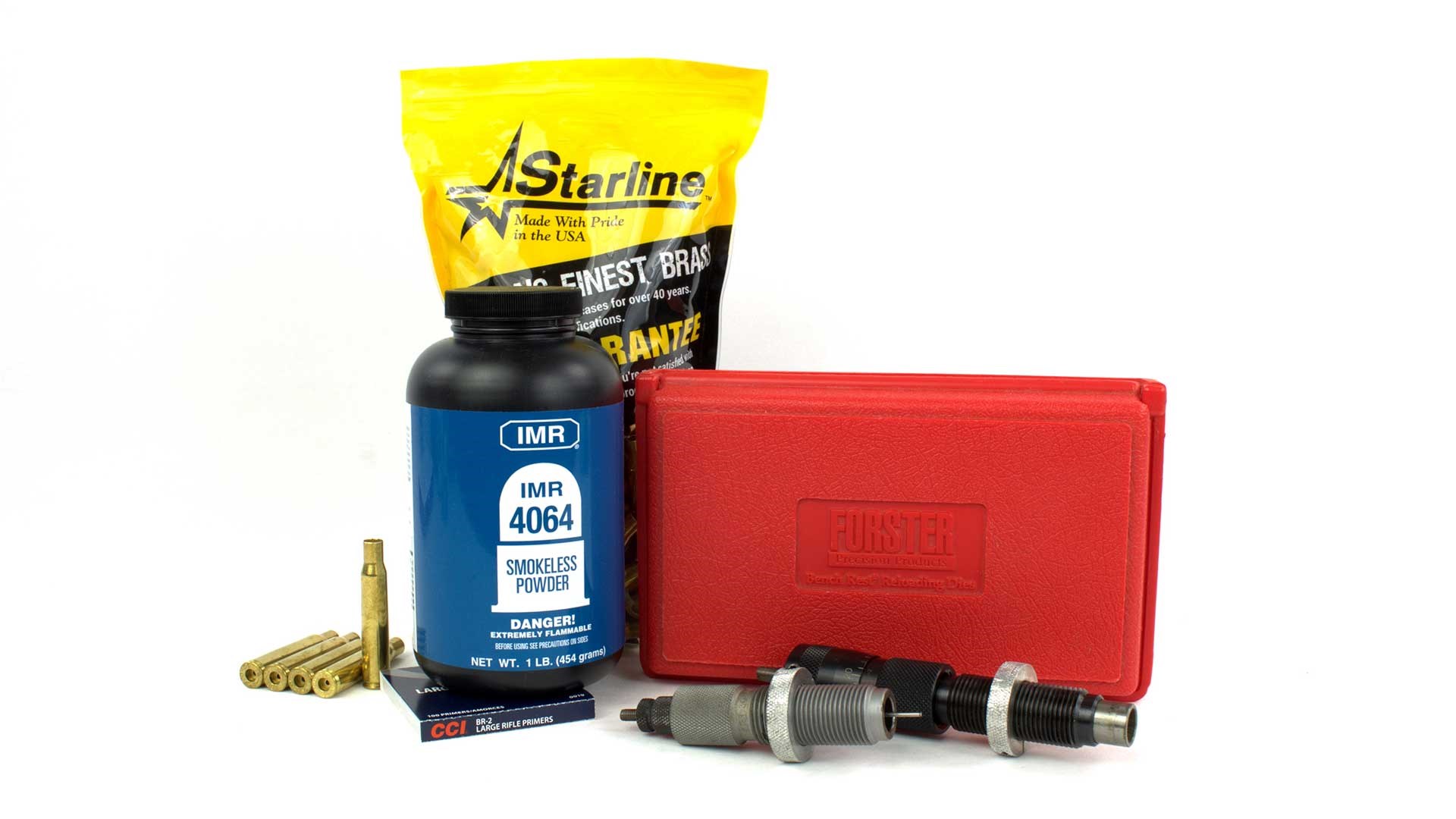
Yes, there are adjustable gas plugs out there to open up the spectrum, but the moment you install one, your rifle is no longer “as-issued,” and you will be disqualified from the John C. Garand Match. I’m sure I’m not alone in thinking this, but boy, it would be great if a powder company created a Garand-specific propellant that would fill the case without being dangerous to man or machine, sort of like a Trail Boss for bottlenecked cartridges. While I can only dream of such a product at this time, I had Vihtavouhri N-135, IMR 4895 and IMR 4064 on the shelf to get the job done.
Tooling
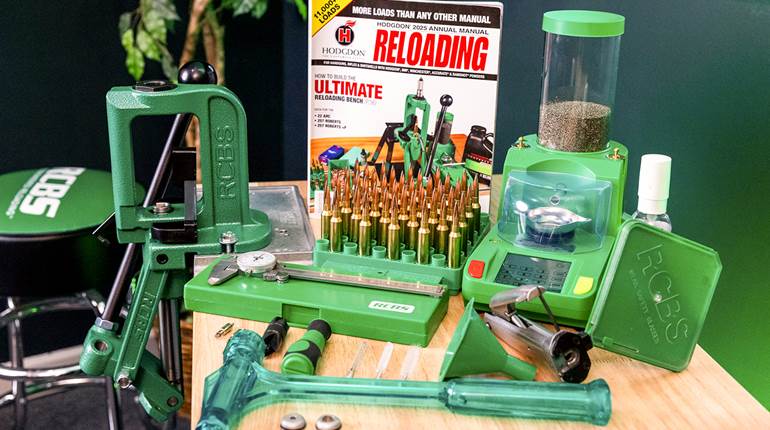
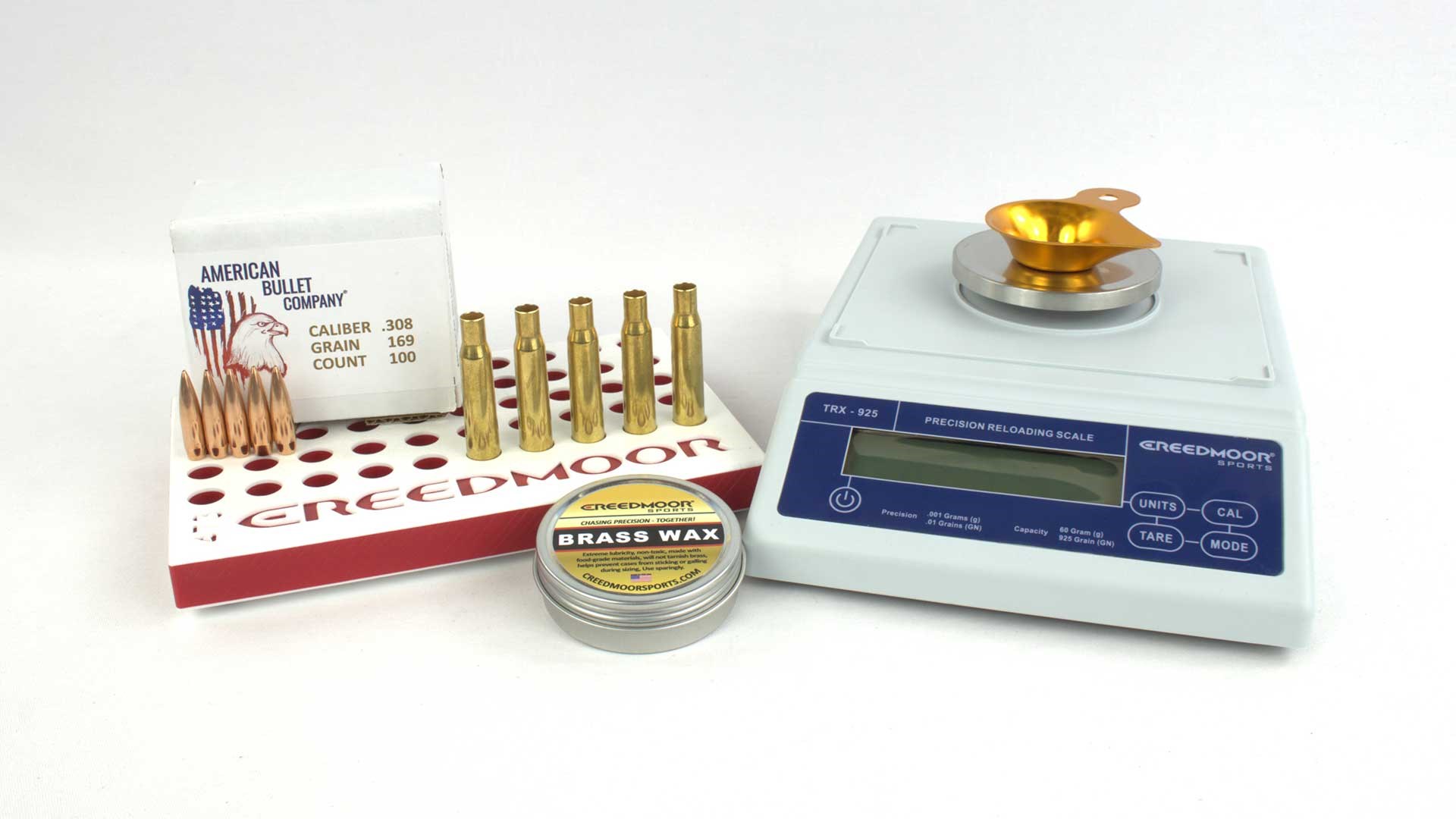
The Garand Match doesn’t require extreme precision to win, but it’s a good idea to build your ammo as if it does. The Creedmoor Sports TRX-925 precision reloading scale offers powder accuracy out to .01 of a grain. Most scales are built with the Gram as their native unit of measure, which creates a rounding error that we may have never realized existed. The TRX-925 is built with grains as home scale, giving you a correct readout of how much powder is truly sitting in the pan. This is just another measure taken to eliminate unknown variables and take any guesswork out of what I’ll be doing later.
Forster makes some of the most consistent reloading dies that I’ve ever used, and they are the standard for my match-shooting needs. Furthermore, I feel that its full-length sizing dies outperform all the rest, as they flirt closer to SAAMI maximums than others. This means that the brass that comes out of them will fill most chambers better and experience less wear from the resizing operation, especially if you use a premium sizing wax as opposed to the old lube-and-pad method.
Loading Process
These days, the loading process happens right on the firing line, as I have a private range with a handloading shed just a few feet from my shooting bench. I started by breaking in the barrel and zeroing the rifle with Hornady’s 168-grain ELD Match load built specifically for the M1 Garand. Preliminary groups were between 2 and 3 MOA, telling me that both the barrel and installation were sound.
This would be a good time to mention accuracy expectations for a mil-spec Garand. What I’m about to write is bound to ruffle a few feathers and likely earn me some hate mail, but by today’s standards, the M1 is not an accurate rifle. Now, when it first saw service in the late 1930s, it was undoubtedly impressive, particularly when you consider the force multiplication factor; however, even then, it had nothing on rifles like the 1903 Springfield. Always remember, it was built for accuracy through volume, even if that cost it some precision.
The truth is, we’re conditioned to believe differently by some of the other factors that surround it, as well as how it’s portrayed. Putting round after round on a man-sized target at 500 yards sounds remarkable, as does reading forum posts about how it’s “darn accurate” complete with the verbiage “hits the 10-ring every time.” However, when we dig a little deeper and find out that the 10-ring measures 7 inches across and is only 200 yards away, the illusion starts to fade. Extrapolate that 500 yards, and it can easily hit a man with accuracy to spare.
So if we check the claim of “shoots better than I can” against these numbers, it turns out that “darn accurate” equates to 2-3 minutes of angle. Considering that some of the least-expensive factory rifles today can shoot box ammo inside of 1 MOA, the old M1 has started to lose its luster. Now, I’m not saying it’s not an incredible piece of machinery, I’m just saying it is not the benchrest rifle that it is often mistaken to be.
Armed with that knowledge, we have two ways to approach load development: just make sure the rounds go bang, or work your tail off to break the 2-MOA mark. You’ve likely read about recipes citing certain powder charges for a wide array of ambiguous bullets; those were derived from the former mindset. I, on the other hand, treat all load development like it’s for a bench rifle, nailing down a certain charge to a certain projectile, and that’s exactly what I did here.
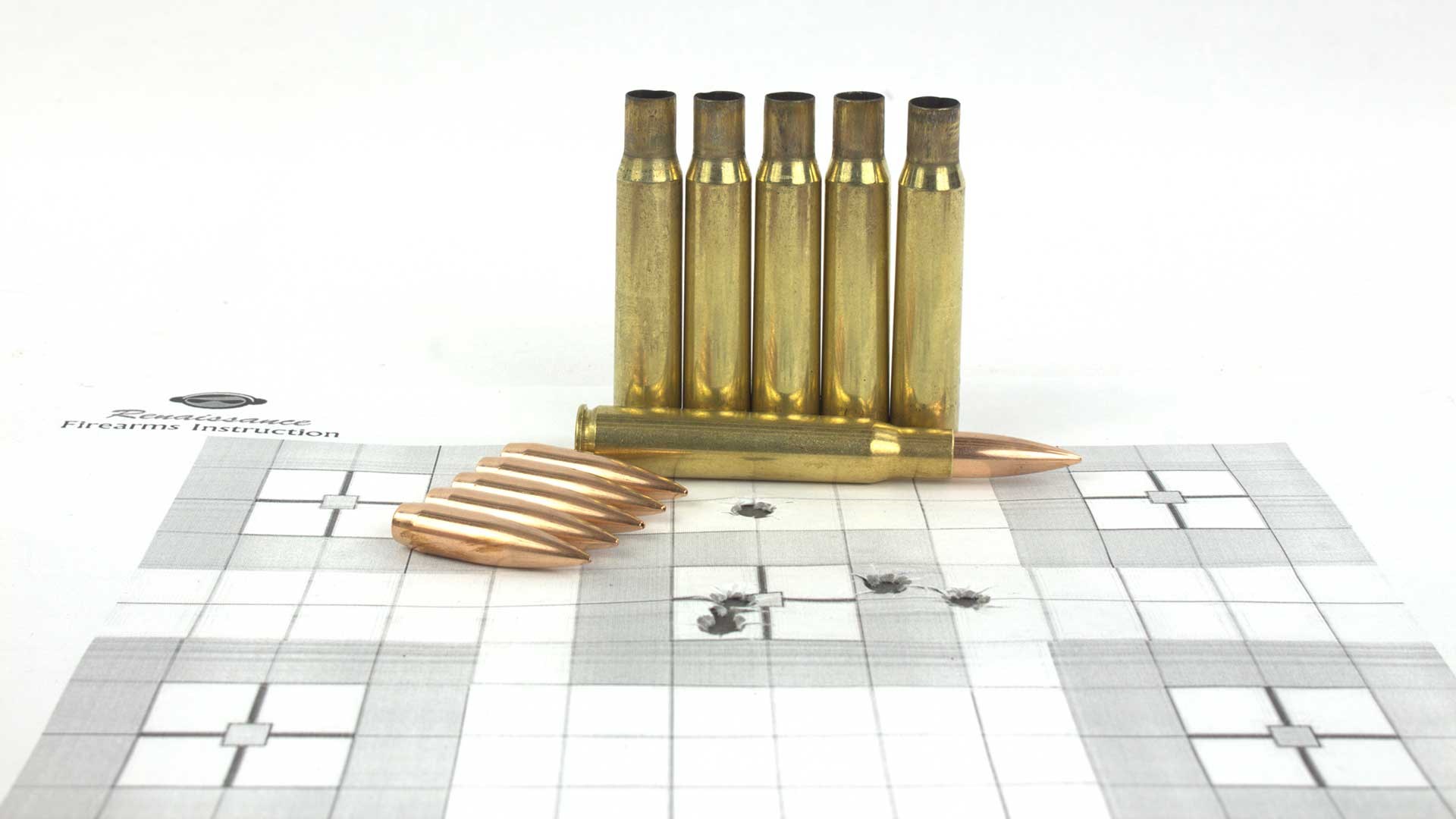
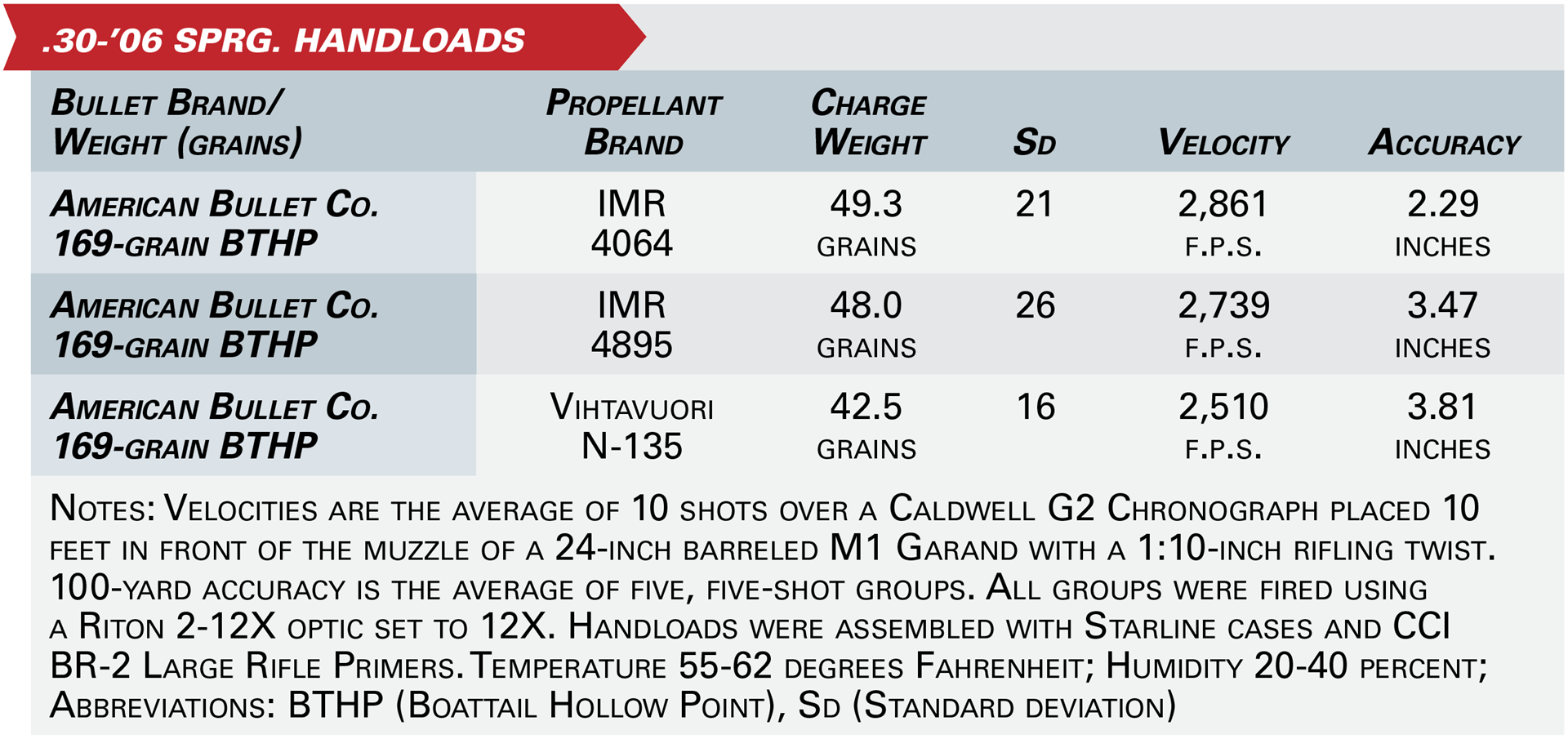
Starting with the N-135, I worked loads up in .5 grain increments. I fired three, and if they measured inside of 4 MOA, I’d quickly seat the last two bullets and finish the group. I hit a node at 42.5 grains and repeated that group four more times. The best group measured 3.06 inches and proved to be one of the most repeatable loads I would build, albeit less-than-consistent for a handload. I repeated the process with IMR 4895 and found the inverse, with an outrageous group of 1.25 inches coming at 48 grains.
However, getting lighting to strike twice was a challenge, and the other four groups better represented what I was used to. Things started to get somewhere when I switched over to IMR 4064 and got to the top end of the charge range. With the best group of 1.85 inches and the average of 2.29 inches spoke volumes, it was more than I would expect from this rifle and exceptionally repeatable.
I ended my range day by removing the scope before re-installing and re-zeroing the iron sights with the load that I had settled on. Setting my sights on a 5-inch gong that I placed out at 100 yards, I landed an entire clip upon it from the prone position, letting me know that I now had what I needed to be competitive. Wrapping it up, I rolled off another 50 rounds and marked a day to test these at extended range.
One thing’s for sure. With a rifle this much fun to shoot, it’s going to see plenty of use outside of Camp Perry as well as in it.