The late 19th century was a time of significant change in firearm design, and the U.S. military wasn't immune to the rapid advances in small arms. In just a few decades, the Army would see itself go from a single-shot, blackpowder design in the form of the Trapdoor Springfield to a modern, semi-automatic fighting rifle in the M1 Garand. Watch our "American Rifleman Television" feature segment above to learn about the Army's early bolt-action and semi-automatic rifle designs.
The Krag & Its Shortcomings
The Krag-Jørgensen was the first general-issue bolt-action rifle fielded by the U.S. military, representing a significant leap forward from the single-shot Trapdoor Springfield it replaced. But the Krag arrived at a critical moment, just as the bolt-action Mauser design was emerging onto the battlefield.
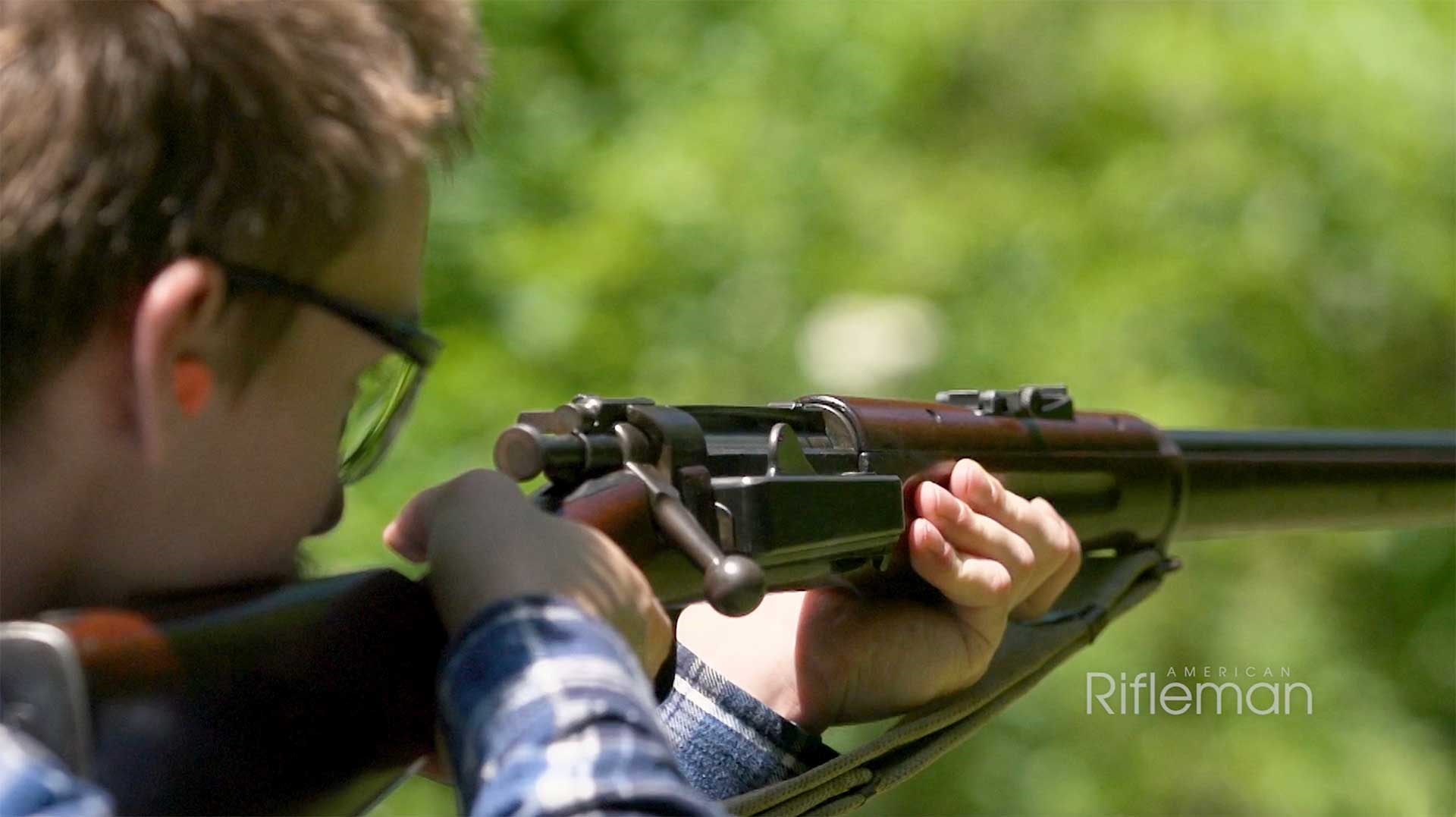
"So I try not to be too hard on the Krag, because it is the first general-issue, bolt-action rifle issued to everybody in the United States military," NRA Media Editorial Director Mark Keefe said. "It's really a quantum leap to go from a Trapdoor Springfield to a Krag. But the Krag had already been leapt over."
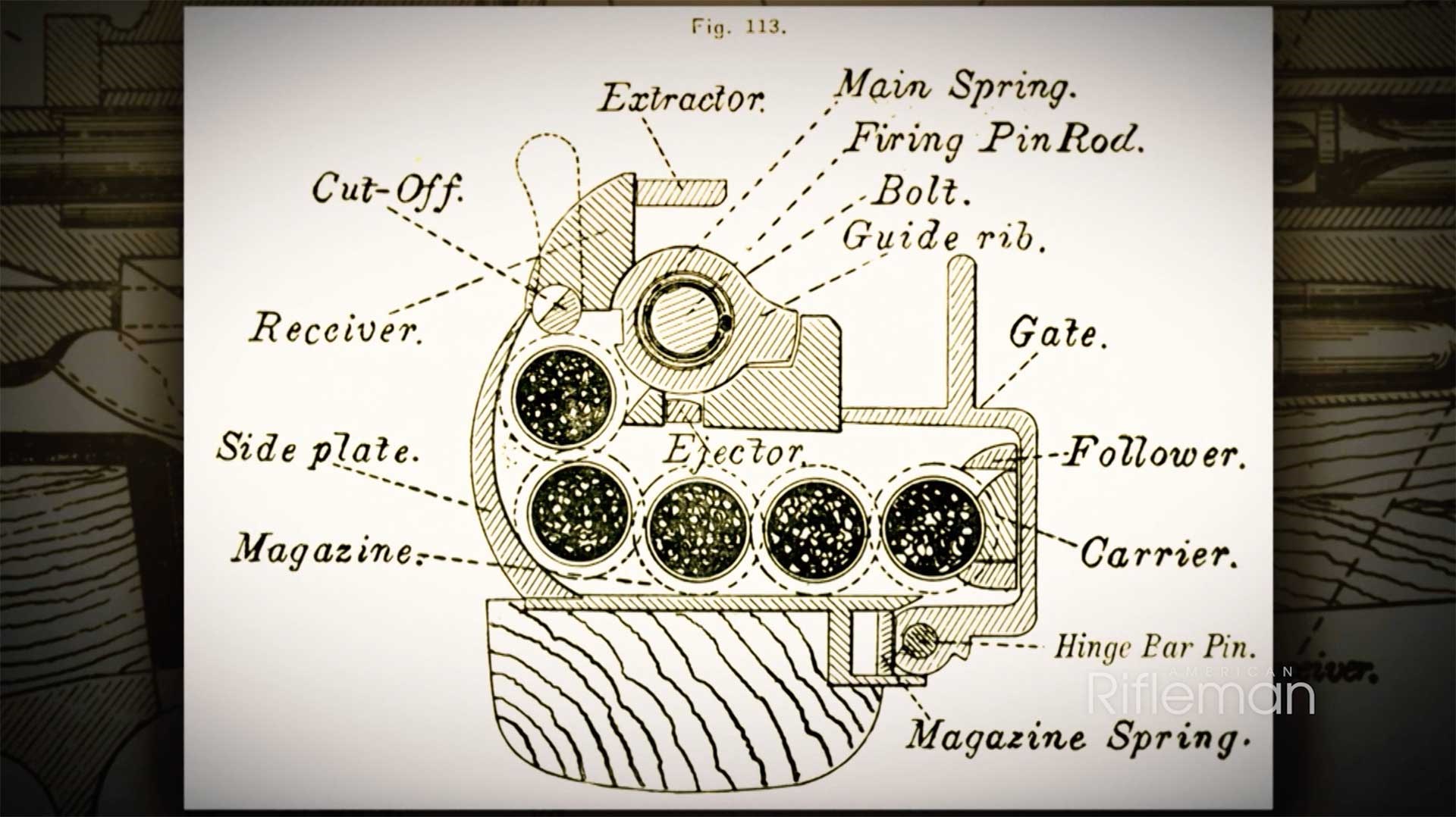
Issues with the Krag became clear during the Spanish-American War, where U.S. troops faced Spanish soldiers armed with the 1893 Mauser. The Krag's side-loading magazine, fed by dumping loose rounds through a hinged door on the right side of the action, was slower than the Mauser's stripper-clip system, which allowed a soldier to load five rounds in a single, fluid motion. Worse, the Krag's action, while famously smooth, was inherently weak and could not handle more powerful cartridges.
"By committing to the Krag design early on, the U.S. military marries itself to that design through this critical moment when the Mauser comes into its own," American Rifleman Field Editor Martin K.A. Morgan said. "The Mauser eclipses the Krag. The Mauser is the more reliable. It's the better design in every way."
Enter the 1903 Springfield
The lessons of Cuba drove the U.S. military to adopt a new rifle. The Model 1903 Springfield, which drew heavily from the Mauser's design while adding distinctly American elements, notably a more refined sighting system than was found on early Mausers. Early rifles were chambered in .30-03, but by 1906, the Army had settled on the improved .30-'06 Springfield, a cartridge that would go on to serve through both World Wars.
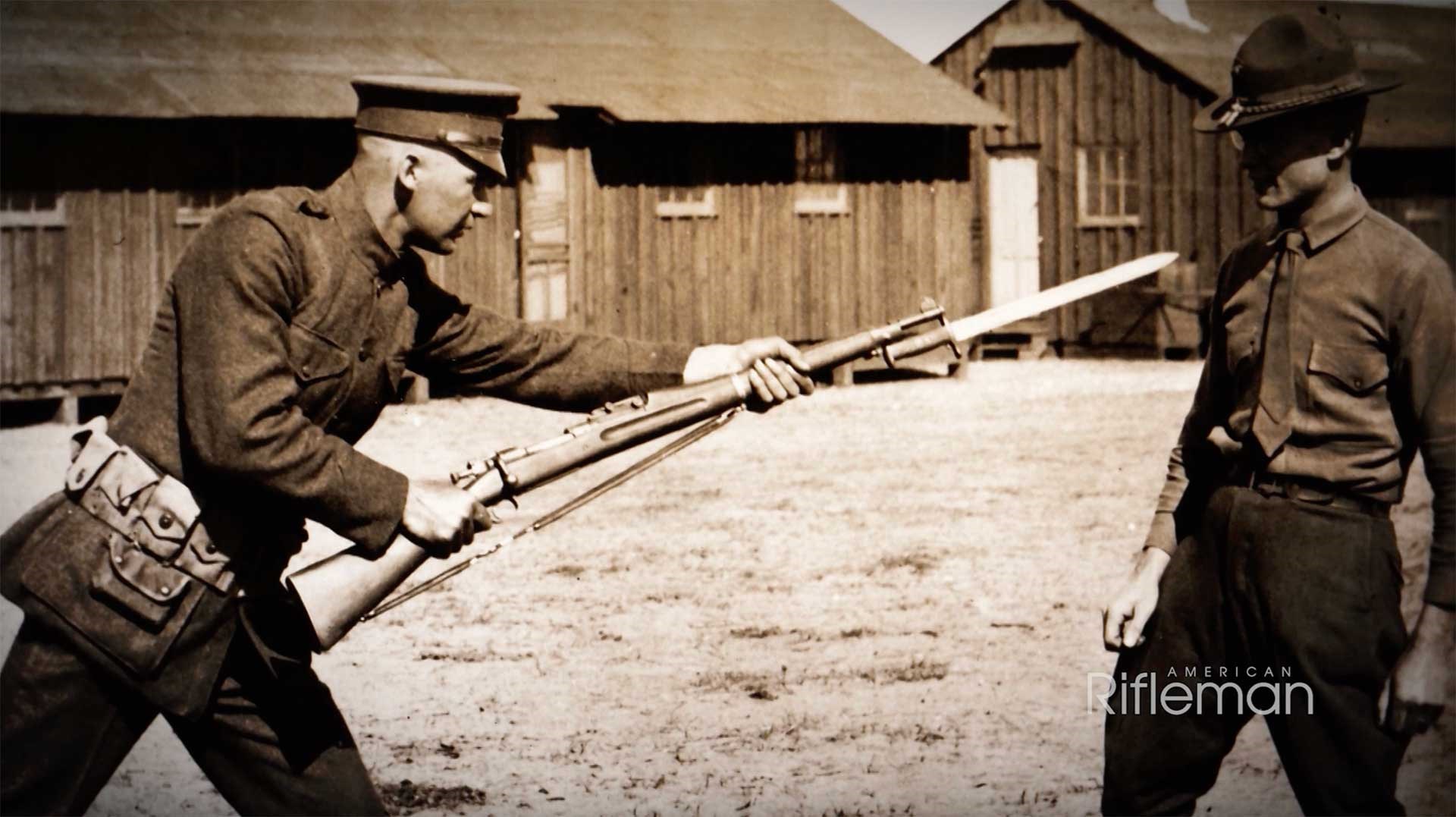
Unlike previous generations of U.S. military arms, which included both a long infantry rifle and a shorter cavalry carbine, the Model 1903 Springfield was built with a single barrel length intended to serve all branches, rather than short-barreled and long-barreled rifles being developed for cavalry and infantry arms, respectively. From 1903 through July 1944, more than 3 million Model 1903 rifles were produced. Despite these production figures, though, demand outpaced supply when the United States entered World War I.
"Although the '03 Springfield was the official issue arm of the U.S. Army during World War I, they actually couldn't make enough of them to fully arm the American Expeditionary Force heading to France in 1917," American Rifleman Executive Editor Evan Brune said. "Ultimately, three out of every four American Doughboys fighting in France are armed with the U.S. Model of 1917, which is based on the British Pattern 1914."
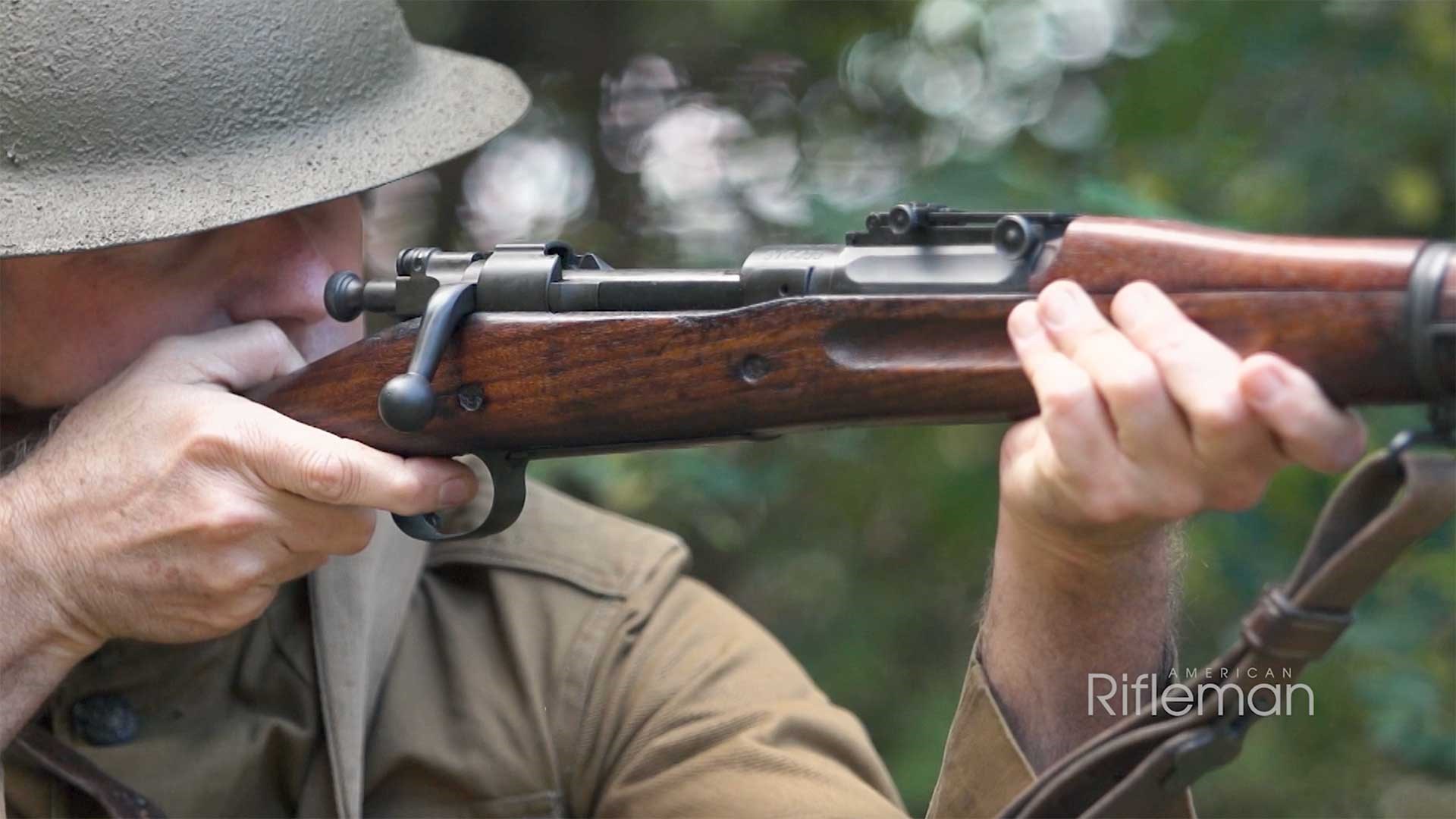
Despite the Model 1917's widespread use in the trenches, the Army never elevated it to official standard issue. After the war, a review of both rifles reaffirmed the military's preference for the '03 Springfield, which remained the U.S. Army's primary service rifle into the 1930s.
Designing the M1 Garand
By the 1920s, the rapid evolution of semi-automatic rifles and submachine guns, combined with the hard lessons of machine gun warfare in World War I, made it clear that a semi-automatic service rifle was the future. The primary development work fell to Springfield Armory, where two engineers pursued competing visions.
John D. Pedersen designed a toggle-delayed blowback rifle around a new cartridge of his own creation, the .276 Pedersen. Working alongside him was John Cantius Garand, who took a different path entirely: a gas-operated design fed from an 10-round en bloc clip.
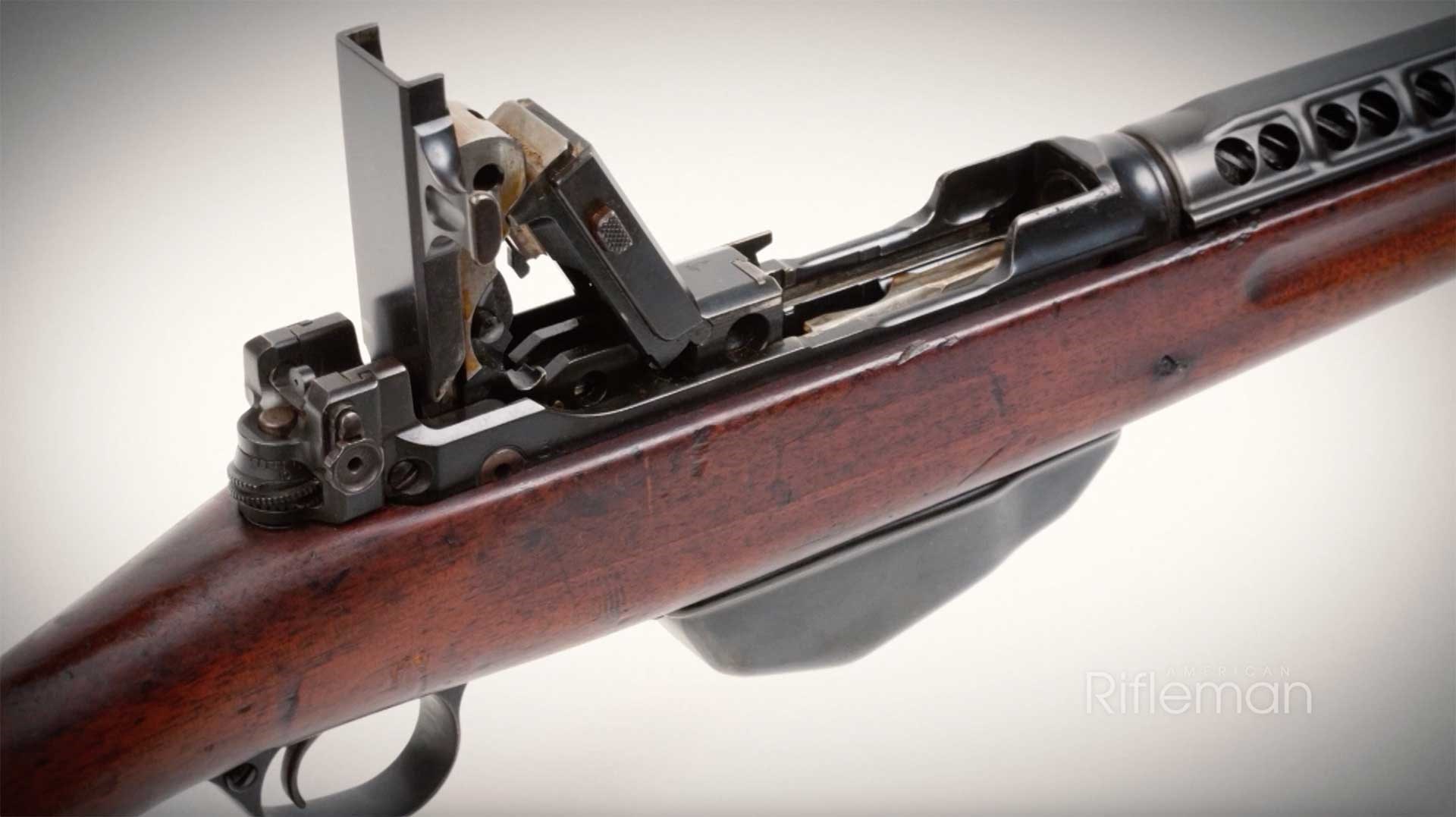
"Garand was a master machinist, and without his talent for knowing how to build the gun, that gun could never have been made," American Rifleman's Brian Sheetz said. "The receiver on a Garand was the result of more than 150 individual machine cuts, and this is in the days prior to any sort of computer control of the machine."
Garand's design won out, though not before a late push to retain the .30-'06 Springfield cartridge over Pedersen's .276. The rifle went through further refinement as well. An early gas-trap system near the muzzle was eventually replaced with a simpler, more reliable gas port drilled through the barrel. By 1941, the M1 Garand was fully sorted and ready for war.
The M1 Garand in World War II
When the United States entered the Second World War, it held a distinction no other major military power could claim: its standard-issue infantry rifle was semi-automatic. German soldiers were fighting with the bolt-action Mauser Karabiner 98k, a manually operated rifle with a five-round internal magazine. The M1 Garand's eight-round en bloc clip gave American riflemen a significant firepower advantage.
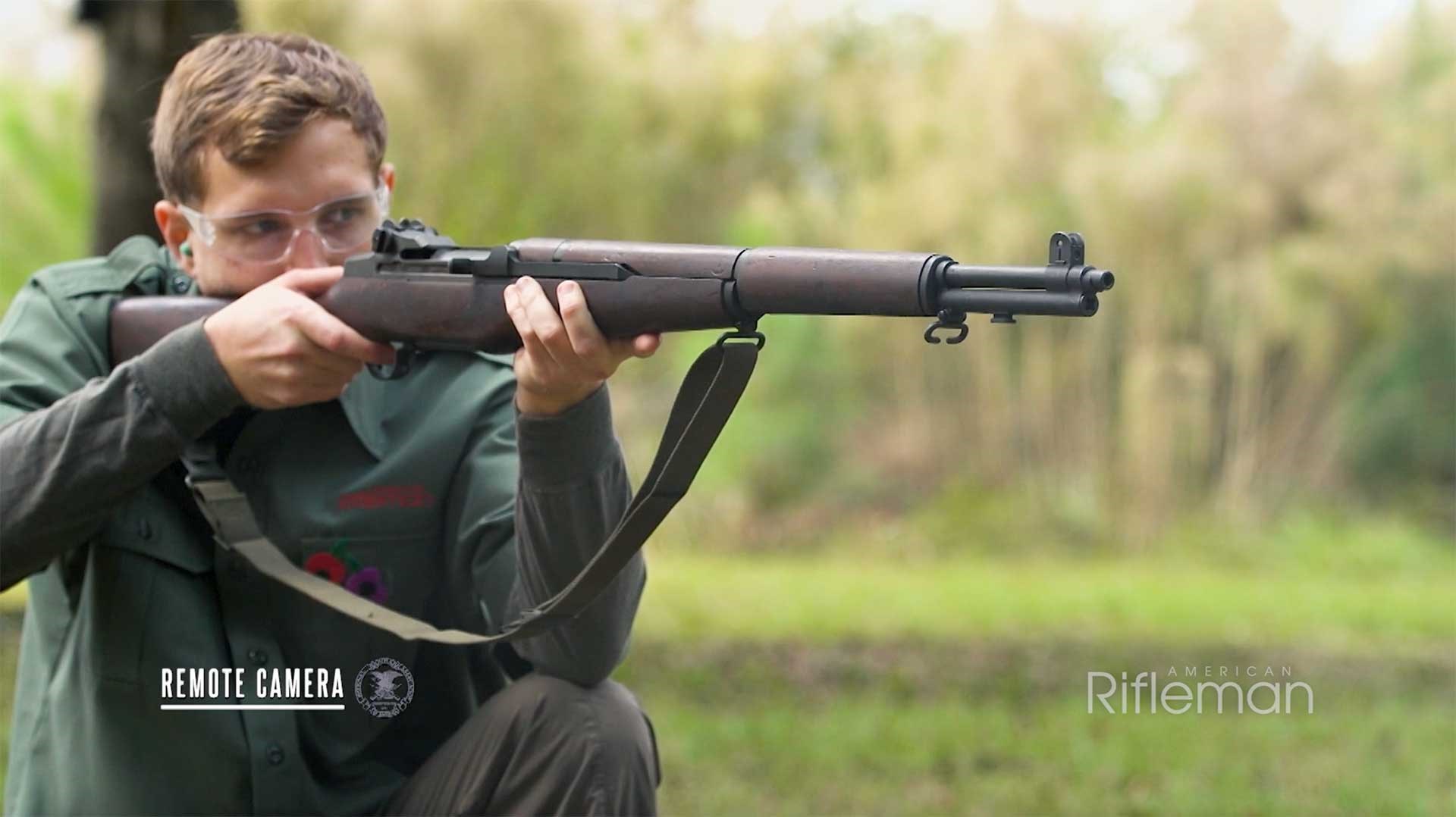
"The United States is the only major military power engaged in the Second World War with a general-issue rifle that is a semi-automatic," Brune said. "And that's a big deal when you're going up against bolt-action designs like the German 98k."
The M1 also benefited from timing. Unlike the later M16, which entered combat while its development was still ongoing, the Garand had been thoroughly refined before it saw serious combat use. That clean record on the battlefield cemented its reputation.
"The M1 Garand, it develops a mystique that's still with it to this very day, where everyone thinks that it's the perfect weapon system, that it cannot be stopped," said Morgan said. "I, for one, am a huge fan. I think it's one of the best rifle designs of the 20th century."
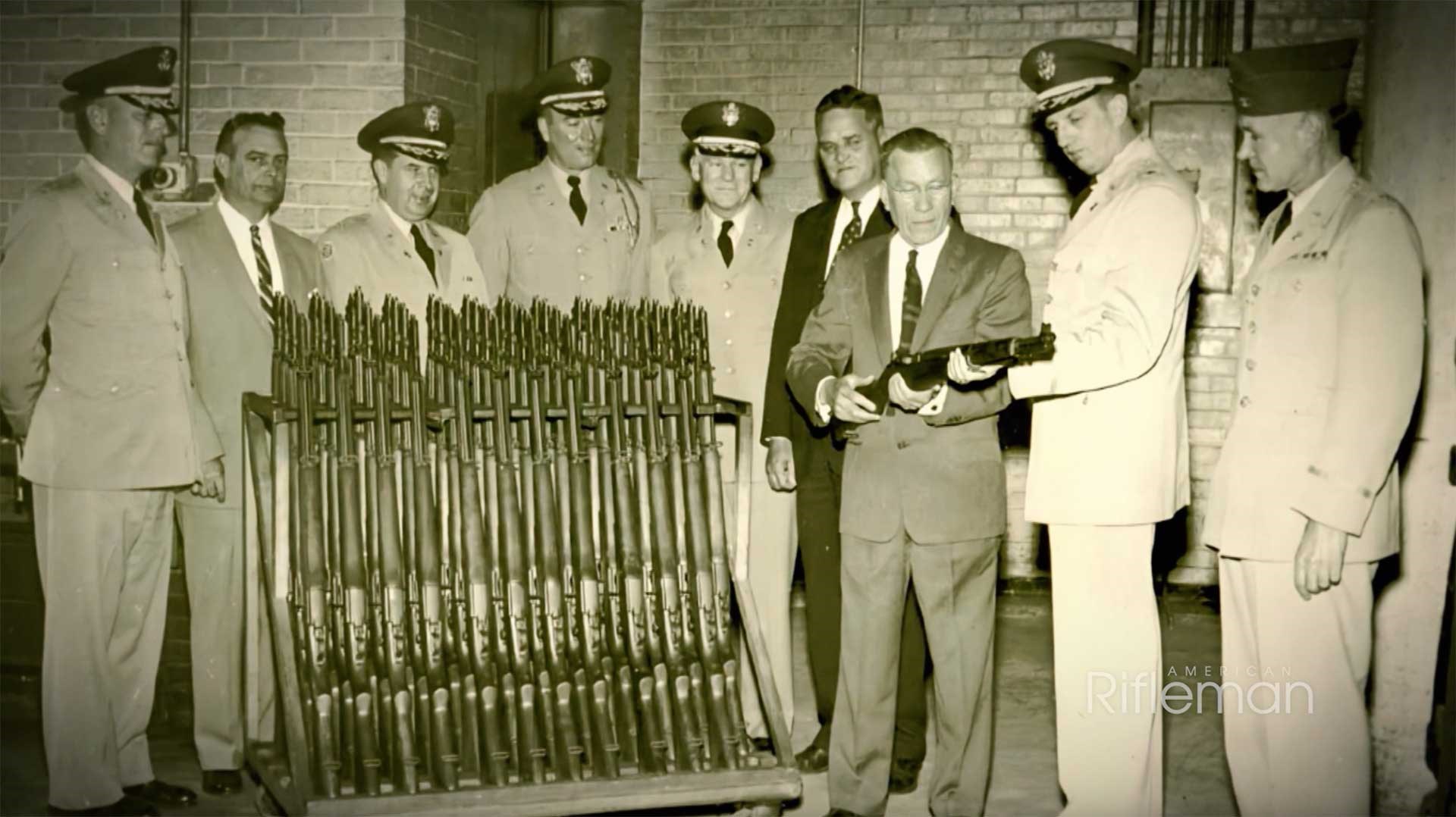
Ultimately, approximately 5.5 million M1 rifles were produced through the mid-1950s, making it one of the most prolific U.S. military rifles ever made.
To watch complete segments of past episodes of American Rifleman TV, go to americanrifleman.org/videos/artv. For all-new episodes of ARTV, tune in Wednesday nights to Outdoor Channel 8:30 p.m. and 11:30 p.m. EST.