** When you buy products through the links on our site, we may earn a commission that supports NRA's mission to protect, preserve and defend the Second Amendment. **
The deer rifle as it is known today in its many forms has evolved over the past three centuries from the first firearms used on the American continent by early European settlers. When English settlers established the first permanent settlement in Jamestown, among the many resources they found in the new world were plentiful amounts of deer. At the time, the large and cumbersome matchlock firearms made the prospect fo deer hunting difficult at first. As firearms technology evolved, slimmer, more reliable and accurate flintlock rifles were developed in part for the necessities of hunting.
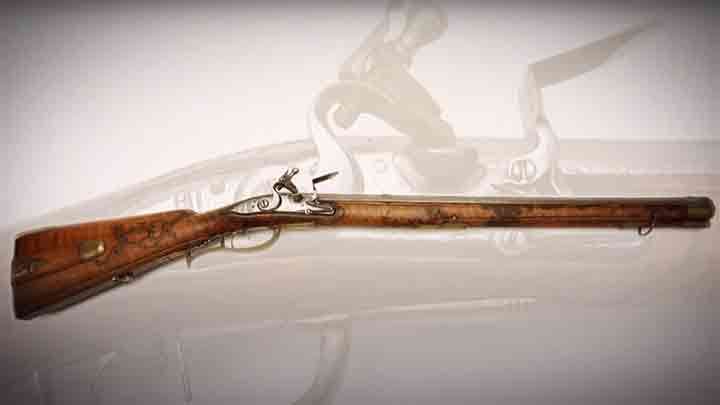
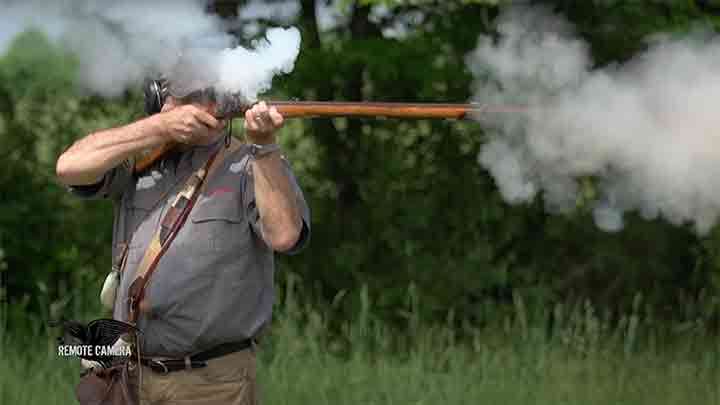
The design concepts of the Jaeger Rifle in Western Europe were used as the basis for the development of the lengthened American Kentucky and Pennsylvania rifles used specifically for hunting in the Western edges of the colonies during the 1700s. Up to the 1850s, most all deer rifles in use in the early United States were muzzle loaders. That began to change with the release of early breechloading firearms fir sporting purposes.
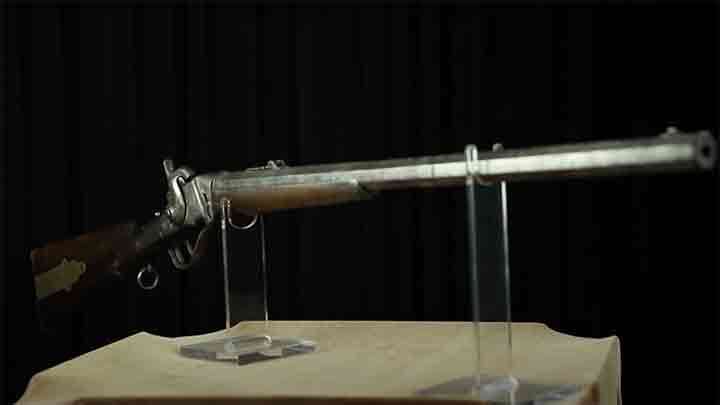
One of the first breechloading rifles developed for sporting purposes was the Sharps Rifle, which used a falling breech block to accept and cut open a paper cartridge, with a percussion cap as the ignition source. These early breechloading firearms were soon followed after the Civil War with advancements in the development in self contained metallic cartridges and repeating firearms like the Winchester Model 1866 lever action, based off the original Henry Rifle. The lever-action rifles were initially chambered for revolver cartridges, but efforts were continually made to increase the power of cartridges they could accept.
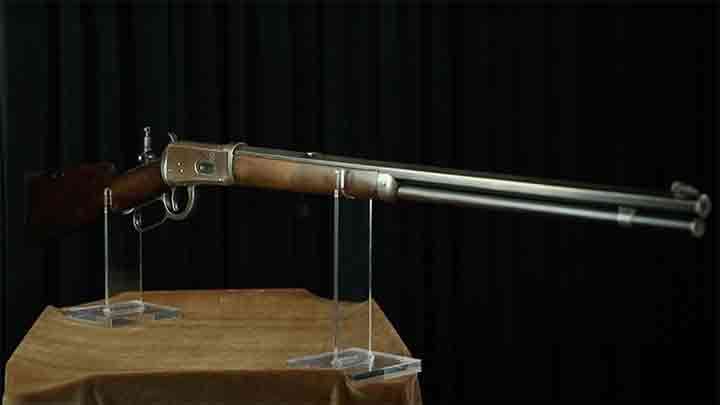
John Moses Browning developed a larger lever action that became the Model 1886, which could handle the larger hunting cartridges of the time. Further developments also saw the release of the Winchester Model 1892 with its improved and smooth cycling lever action. However, at the time a new advancement in firearms technology began to emerge when the French developed smokeless powder in 1886. Soon the new propellant became available commercially.
The first lever action rifle chambered for a smokeless powder cartridge in the United States was the Winchester Model 1894, which was later chambered for the .30 WCF, or .30-30 Win. as it is more commonly known today. At the turn of the 20th century, bolt action rifles became the standard service rifles used by most militaries. These designs also began to make their way into the sporting arena, though initially numbers were limited as the high cost restricted their use by sportsmen.
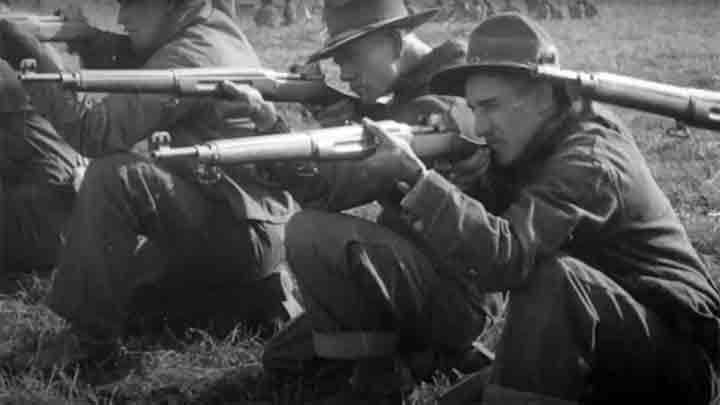
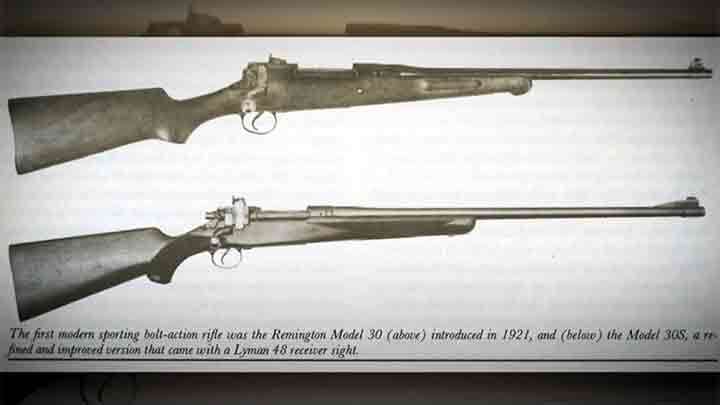
This changed after World War I, when many returning American servicemen had used and were familiar with the Springfield M1903 or Enfield M1917 rifle. Remington owned two of the factories that made the M1917 rifle, and decided to release sporting versions of the military rifle as the Remington Model 30. This paved the way for the further development of bolt action rifles by Remington and Winchester for hunting, including the Remington Model 700 and Winchester Model 70.
Many former military arms also began to flood the sporting market, especially after World War II, as large numbers of surplus bolt-action rifles became available at low cost. This grew a trend with successful military rifles also later becoming successful sporting rifle options after they were surplussed to the American commercial market.
However, even still bolt-action hunting rifles were still an expensive option for some hunters who continued to rely on older and more affordable designs. This began to change with the trend of the affordable bolt-action deer rifle, started with the Savage Model 110 which was designed with economy in mind. This lead to the current trend today with deer rifles like the Savage Axis and Ruger American that provide accuracy and performance at a relatively low cost.
To watch complete segments of past episodes of American Rifleman TV, go to americanrifleman.org/artv. For all-new episodes of ARTV, tune in Wednesday nights to Outdoor Channel 8:30 p.m. and 11:30 p.m. EST.
A flintlock Jeager Rifle used in Western Europe during the 17th Century.
The design concepts of the Jaeger Rifle in Western Europe were used as the basis for the development of the lengthened American Kentucky and Pennsylvania rifles used specifically for hunting in the Western edges of the colonies during the 1700s. Up to the 1850s, most all deer rifles in use in the early United States were muzzle loaders. That began to change with the release of early breechloading firearms fir sporting purposes.
A flintlock Kentucky Rifle firing.
One of the first breechloading rifles developed for sporting purposes was the Sharps Rifle, which used a falling breech block to accept and cut open a paper cartridge, with a percussion cap as the ignition source. These early breechloading firearms were soon followed after the Civil War with advancements in the development in self contained metallic cartridges and repeating firearms like the Winchester Model 1866 lever action, based off the original Henry Rifle. The lever-action rifles were initially chambered for revolver cartridges, but efforts were continually made to increase the power of cartridges they could accept.
A Sharps breech-loading, percussion-fired rifle.
John Moses Browning developed a larger lever action that became the Model 1886, which could handle the larger hunting cartridges of the time. Further developments also saw the release of the Winchester Model 1892 with its improved and smooth cycling lever action. However, at the time a new advancement in firearms technology began to emerge when the French developed smokeless powder in 1886. Soon the new propellant became available commercially.
The first lever action rifle chambered for a smokeless powder cartridge in the United States was the Winchester Model 1894, which was later chambered for the .30 WCF, or .30-30 Win. as it is more commonly known today. At the turn of the 20th century, bolt action rifles became the standard service rifles used by most militaries. These designs also began to make their way into the sporting arena, though initially numbers were limited as the high cost restricted their use by sportsmen.
U.S. servicemen at the range with Enfield M1917 rifles during World War I.
This changed after World War I, when many returning American servicemen had used and were familiar with the Springfield M1903 or Enfield M1917 rifle. Remington owned two of the factories that made the M1917 rifle, and decided to release sporting versions of the military rifle as the Remington Model 30. This paved the way for the further development of bolt action rifles by Remington and Winchester for hunting, including the Remington Model 700 and Winchester Model 70.
The Remington Model 30 bolt-action rifle, based of the Enfield M1917.
Many former military arms also began to flood the sporting market, especially after World War II, as large numbers of surplus bolt-action rifles became available at low cost. This grew a trend with successful military rifles also later becoming successful sporting rifle options after they were surplussed to the American commercial market.
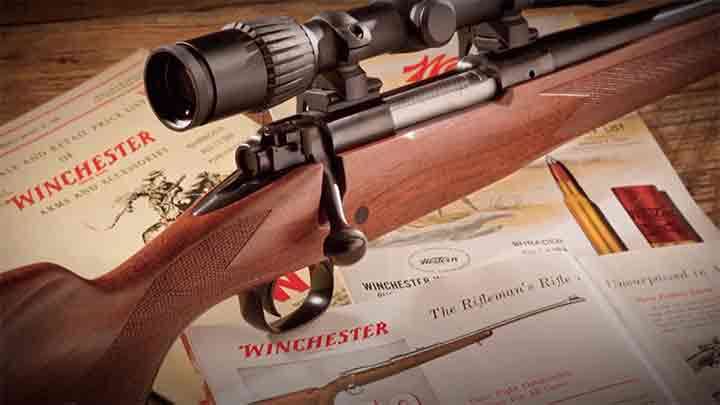
A Winchester Model 70 bolt-action rifle, one of the many popular bolt-action hunting rifles found today.
However, even still bolt-action hunting rifles were still an expensive option for some hunters who continued to rely on older and more affordable designs. This began to change with the trend of the affordable bolt-action deer rifle, started with the Savage Model 110 which was designed with economy in mind. This lead to the current trend today with deer rifles like the Savage Axis and Ruger American that provide accuracy and performance at a relatively low cost.
To watch complete segments of past episodes of American Rifleman TV, go to americanrifleman.org/artv. For all-new episodes of ARTV, tune in Wednesday nights to Outdoor Channel 8:30 p.m. and 11:30 p.m. EST.