Of all the principles of self-defense, avoidance is the most important. By avoiding a conflict, we also avoid the potential legal and personal problems that may come with that conflict. Avoidance is so important that, even if you don't carry a defensive handgun, it should be part of your personal-defense plan.
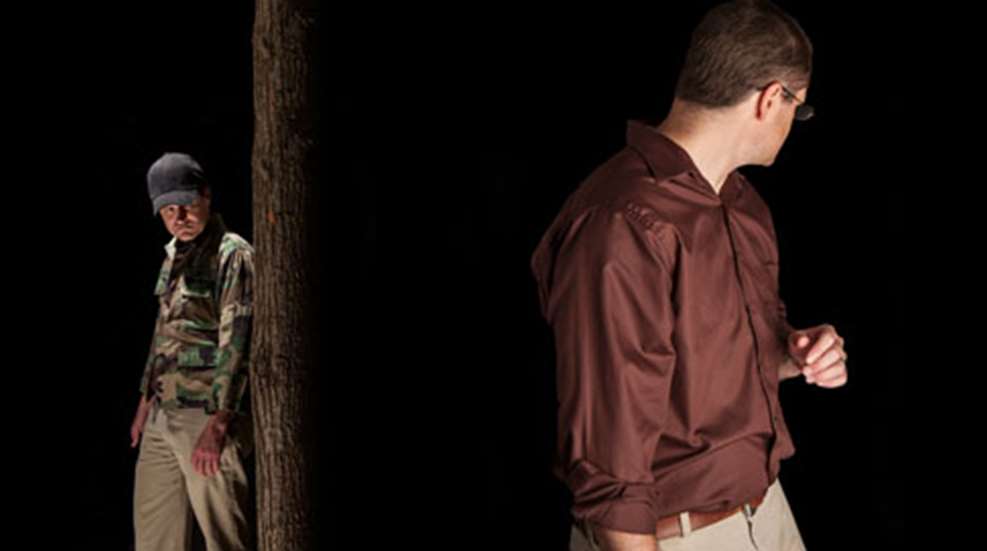
By practicing awareness, a person can often spot potential trouble while there is still time to simply avoid it. Spotting the street punks while they are still a block away gives one time to cross to the other side of the street, or simply step into a place of business until the potential for trouble has passed. Leaving a place of business and spotting a stranger hanging around your car allows you to just go back into the business and ask for security or the police to check things out.
Without making social or racial judgments, a person will realize that it is just best to avoid certain parts of town, especially at night. You may have a favorite restaurant in that neighborhood, but visit it at lunchtime, not dinner time. Staying abreast of local news helps a citizen learn which parts of town have the highest rate of violent crime and those are the areas to avoid.
You should also be very selective of the night clubs that you patronize. Avoid a club where the rowdy crowd hangs out and, instead, select one that caters to folks who just want to unwind with their favorite beverage in a quiet, secure environment.
When out in public, you should also avoid looking like a victim. The person walking along staring at an iPhone is clearly oblivious to what is going on around him or her. The same is true of the person who plods along with his head down, avoiding eye contact. It is far better to walk erect and make eye contact with those around you. A pleasant smile will let others know that you have no aggressive intent. But the fact that you are alert, let's criminals know that you will probably be able to describe them to police and identify them in a line-up.
You should also make it a policy to avoid arguments, especially with strangers. Keeping your temper under control is critical to self-defense. Anger clouds the judgment and can cause you to do and say things that might aggravate the issue or, in the extreme, get yourself killed. This is not to say you shouldn't assert yourself, just do it in a calm, rational, even-tempered manner. More especially, be alert for rising anger in the person with which you are dealing. When you see indications of anger and increasing rage, just break off the conversation and get away if at all possible.
When dealing with a case of road rage, you should avoid angry looks and gestures. It is far better to yield right of way and let the angry driver go on his way. If he persists in following you, make some detours. And, if he continues to follow, make a detour by a police car or the police station.
You can also avoid making your home look like an easy target. Good outdoor lighting along with secure doors and windows make a home less appealing to crooks. And there is also great value in having a family dog that is not reluctant to sound the alarm when strangers come around.
Avoidance is the best method to get away from potential danger. A defensive handgun is merely an exit ticket for use when the way is blocked in a deadly manner. In the wake of a defensive shooting, your testimony and the evidence supporting it should be that you tried everything you could think of to avoid a deadly encounter. When all else failed, you used your defensive handgun to protect your life. If necessary, a criminal defense attorney should find that it is a case he can defend.
Avoidance is an intelligent part of the personal-defense plan, not a cowardly act. A person with strong avoidance skills will find that he seldom has to resort to using a defensive firearm, if at all. And that is a blessing.
Most Popular