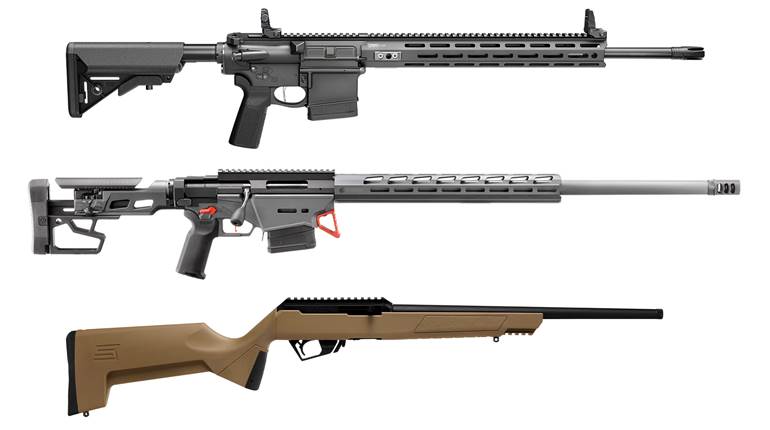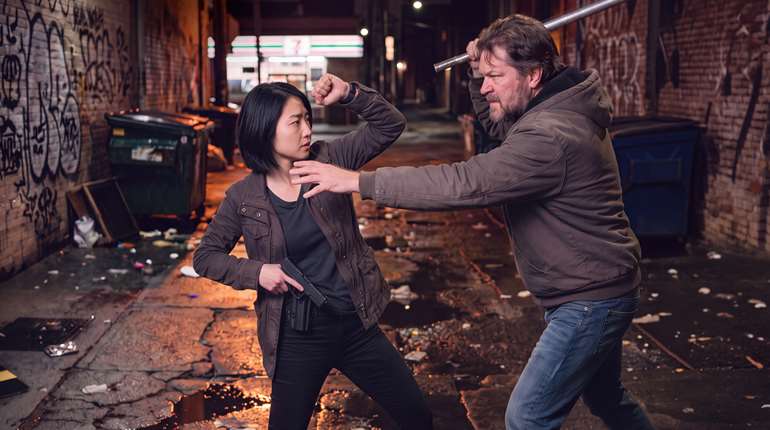
As shooters, we tend not to push ourselves. We drive to the range, schlep our gear onto the shooting bench and rocket a hundred or-so rounds of “practice” before reversing the process. None of this teaches us what it takes to make a shot with an elevated heart rate, from a difficult position or learning what a “good enough” sight picture looks like. This drill will show you all three.
Setup
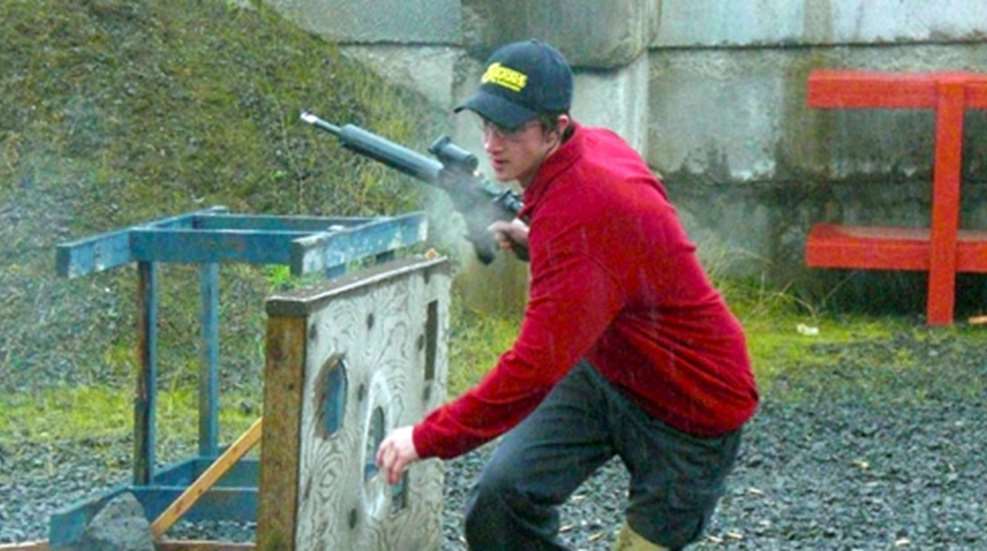
This is a comparatively simple drill conducted at 50 yards. First, set up two barricades, each with an 8-inch diameter hole centered 18 inches from the bottom, 50 feet apart, with a marker midway between them. Downrange at 50 yards are three IPSC Metric targets, one per shooting position. You can run this drill with a buddy and a stopwatch, but investing a shot timer is one of the most effective ways to improve the quality of your training. If you have a shot timer, set the par time to 120 seconds.
A note on safety: You’re going to be moving with a loaded firearm, so muzzle control is vitally important, particularly when making the dash back to the end of the line. Be aware of your muzzle at all times, and if your sights aren’t on the target, your finger should be out of the trigger guard.
Procedure
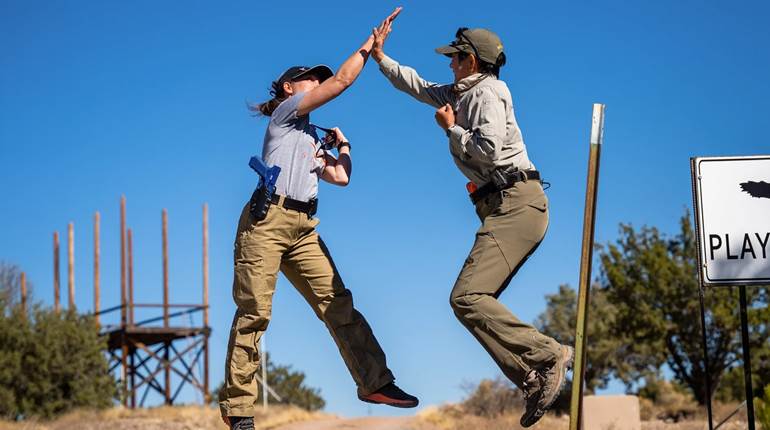
Start at the low ready position behind the barricade of your choice, rifle loaded, round in the chamber. At the signal, engage the target in front of your shooting position with one round. Move to the center shooting position and engage that target with one round from the kneeling position (defined as one or more knees in contact with the ground). Continue to the last barricade and engage the target with one round before moving back to the start position and repeating the process until you run out of time. It sounds more complicated than it actually is—move like a typewriter carriage—three shots, then all the way back to the beginning. You may not engage any target with more than one round from any position.
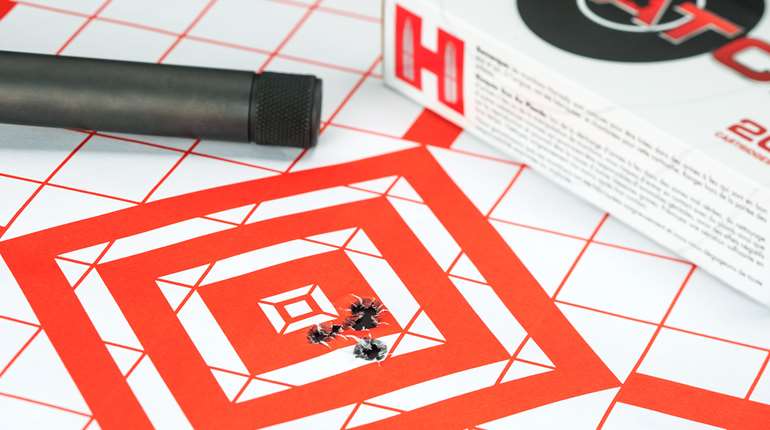
When the timer runs out, tally your hits on the targets. As the IPSC targets are huge and only 50 yards away, it should be impossible to miss, right?
After the buzzer goes off, the first thing you’ll notice is that the barricade ports are located in such a way that they’re too high for a good prone shot and too low to comfortably use while kneeling. This will force you to adapt your style to your environment, rather than the other way around. Around the one-minute mark, you’ll realize that you’re taking longer to acquire the target and sights than when you started and that all this jumping up and down as you swap positions is hard work. At around 90 seconds, assuming you’re pushing yourself rather than just meandering along the line, you’ll probably be thinking about adding some serious cardio work to your daily routine and realize just why this drill acquired the name it did.
A good score is around 17 hits, and if you can achieve this, you’re well on the way to mastering close-range positional shooting.
Most Popular