Despite the innovation displayed in Samuel Colt's early revolver designs made at the Paterson Falls, N.J., factory, this first venture proved less than successful. However, one of Colt's best customers at the time turned out to be the newly minted Republic of Texas, which purchased a number of revolving firearms from Colt, including a fairly large number of Colt Paterson revolvers. These revolvers came into the use of the Texas Rangers, who praised the capabilities demonstrated by the repeating firearm. Yet, there were improvements that the Rangers wished to see with the design.
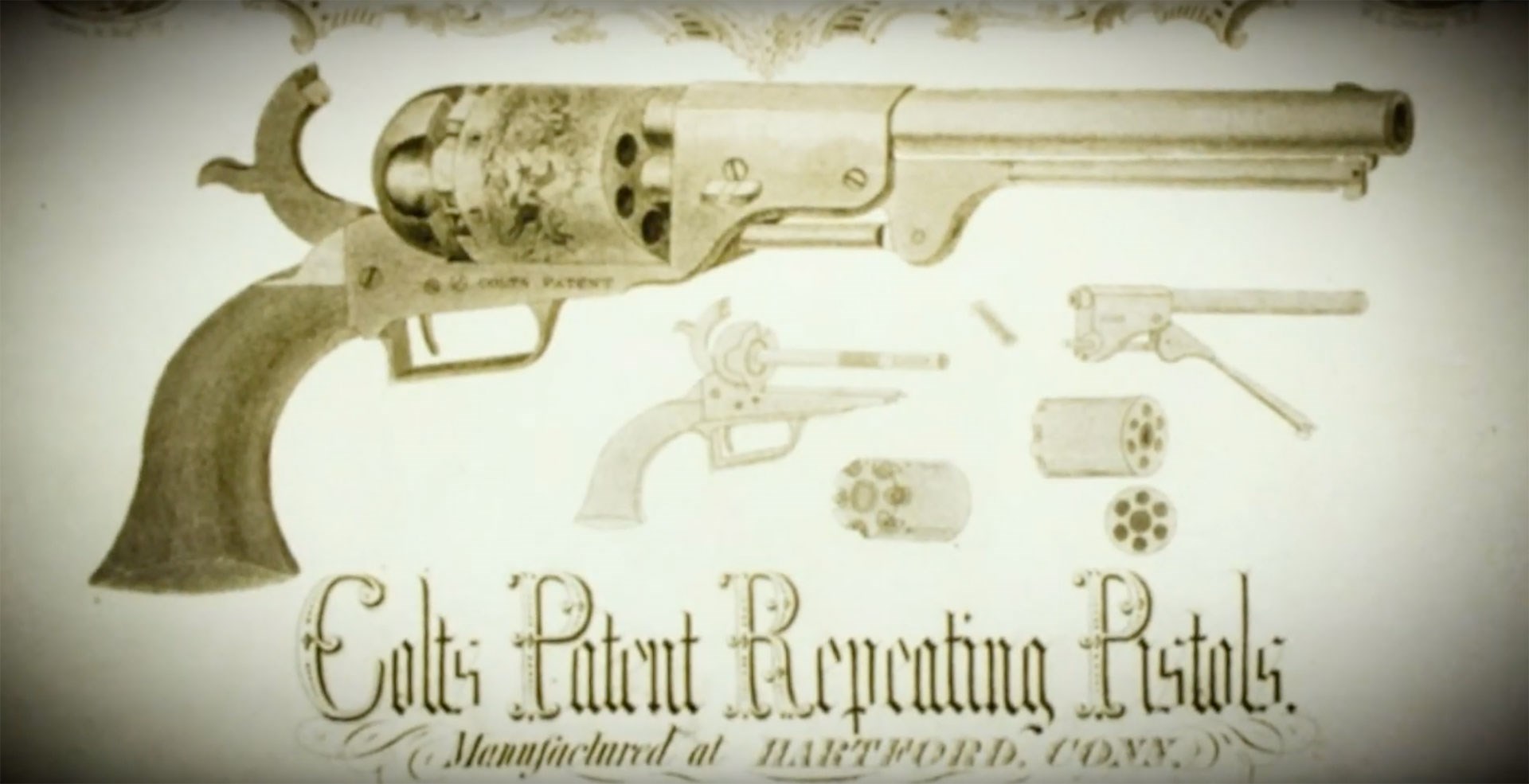
Several years after Samuel Colt went bankrupt and had left the Paterson Falls, N.J. factory to pursue ventures elsewhere, he was approached by members of the Texas Rangers with the request for a new revolver. The Texas Rangers, no more than a 40-man force at the time, was responsible for defending Texans and incoming settlers from raids by neighboring Comanche tribes, who warred with the new republic after Sam Houston stepped down as president. In 1844, the commander of the Texas Rangers, Jack Hayes, lead a 15-man expedition into Comanche territory as a response to a raid carried out by the natives. At a place known as Walker Creek today, the Texas Rangers encountered a Comanche force five times larger. However, instead of being massacred, the rangers were able to effectively hold their own with the use of their Colt Paterson revolvers.
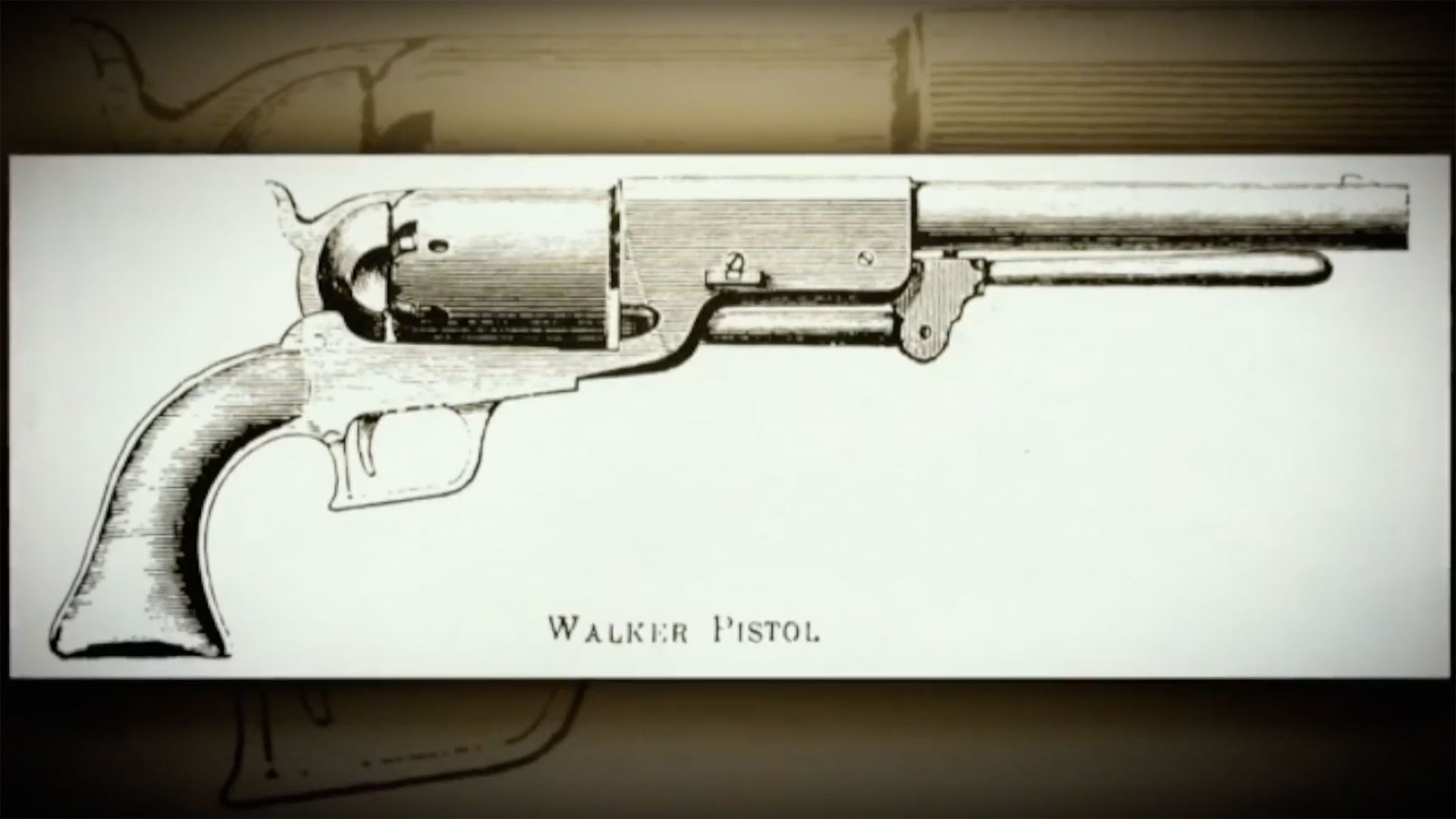
One of the rangers present at the battle under Hayes' command, Samuel Walker, took note of how effective the five-shot revolvers were in the skirmish. After Texas became a part of the U.S. in 1845, Walker was charged with forming a U.S. mounted rifle force for the state and was essentially handed a blank check to acquire the needed hardware for the new force. As a result, Walker contacted Samuel Colt with a request for a new revolver. Walker requested a heavier revolver, with a large caliber, to boot. The result was a monstrous six-shot revolver chambered in .44-cal., and weighing in at 4.5 lbs.: the Colt Walker. The design included some further improvements over the older Colt Paterson-made revolvers, other than the massive increase in size, to include a non-folding trigger shoe and dedicated trigger guard.
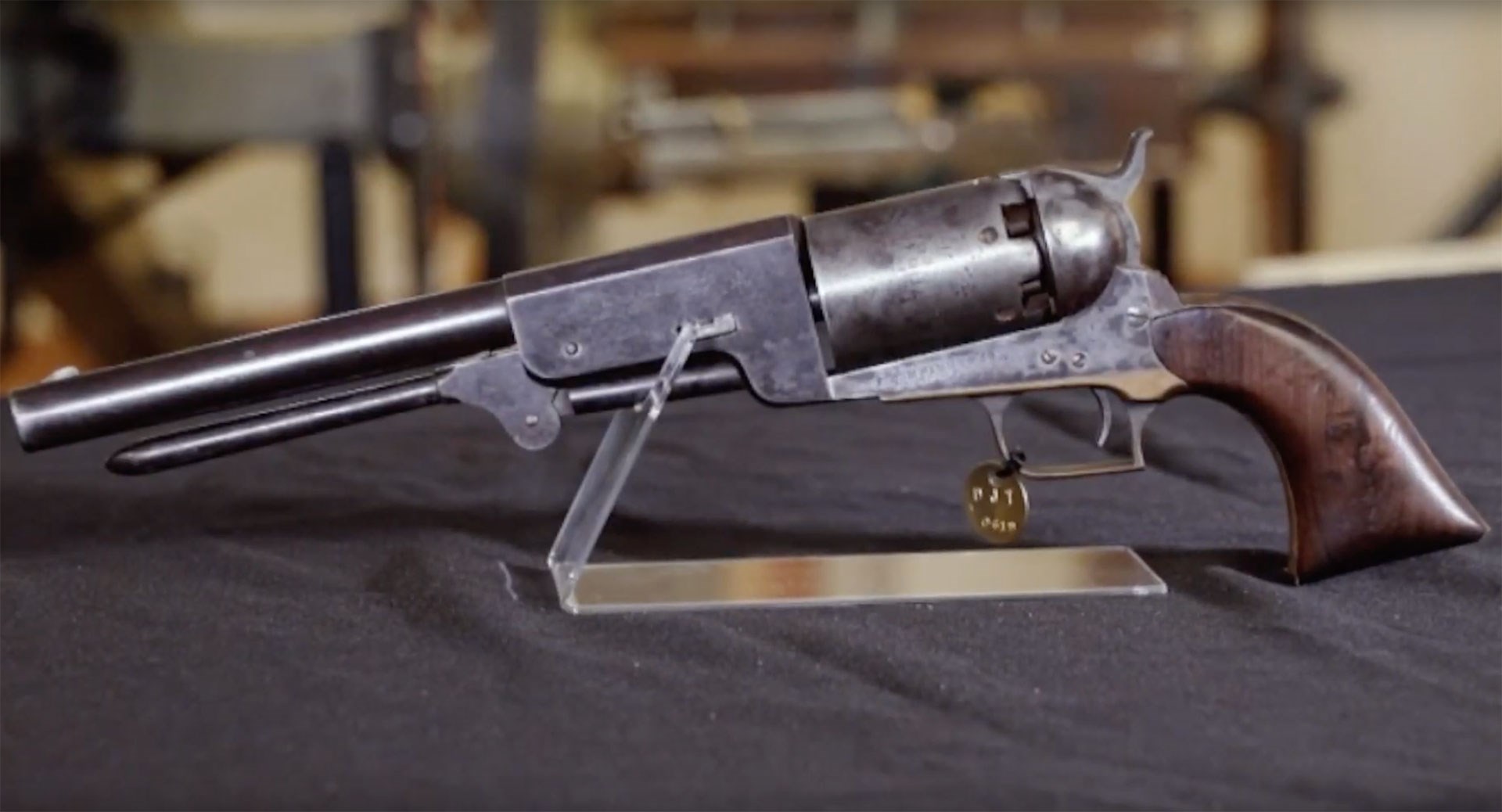
At the time, and for a while after, the Colt Walker was the largest and most powerful handgun in the world, all spurred by Walker's idea for how to improve the Paterson design. Yet, when Walker made the request, Colt was not actively producing firearms. After receiving Walker's request, however, Colt seized the opportunity and went to Hartford, Conn., to begin production of the new revolvers. With the help of Eli Whitney, Jr., Colt managed to churn out 1,000 Walker revolvers in just six months time. Sadly, though, Walker would only live for a few more weeks after the arrival of the first of these revolvers before being killed in combat against Mexican forces in the Battle of Huamantla. However, the revolver that he helped forge quickly became revered by the men who used it, being a powerful, multi-shot pistol that could be used with ease by the user on foot or on horseback. This also pushed Colt back into the limelight and helped Colt grow into a solidified firearm manufacturer.
To watch complete segments of past episodes of American Rifleman TV, go to americanrifleman.org/artv. For all-new episodes of ARTV, tune in Wednesday nights to Outdoor Channel 8:30 p.m. and 11:30 p.m. EST.