At a time when troops around the world were still using flintlock, smoothbore muskets on the battlefield, the Prussian military began experimenting with a modern, bolt-action, breechloading rifle. The Dreyse zunadelgewehr, or "needle rifle," was a technological marvel of its time and showed the way forward for firearm development. See the Dreyse in action on the range in our "American Rifleman Television" I Have This Old Gun segment above.
"In the early part of the 19th century, most military arms were muzzleloaders and muzzleloading smoothbores," said Garry James, American Rifleman field editor. "However, in 1841, a Prussian, actually, Nicolaus von Dreyse, came up with a very, very ingenious bolt-action, self-contained, breechloading cartridge firearm."
Early testing in the 1830s pitted Dreyse's modern rifle against the flintlock muskets still being used by Prussian troops at the time, and the results from the trials illustrated the Dreyse rifle's enormous improvement in accuracy and rate of fire. However, there were issues with the gun.
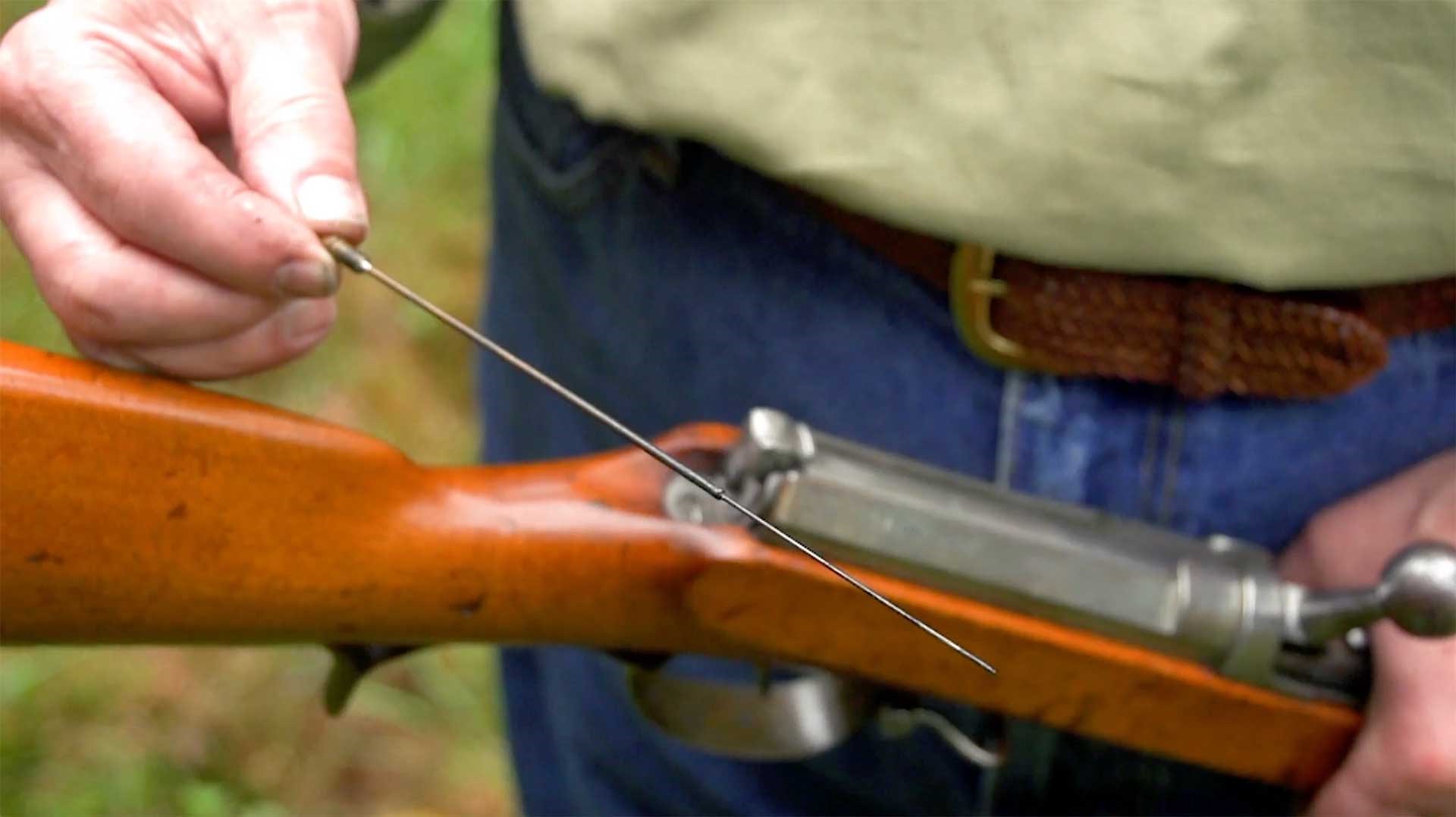
"There was a key problem with the Dreyse design, and it was one he had to overcome before it could be a truly utilitarian military arm." American Rifleman Executive Editor Evan Brune said. "That problem was the fact that his gun required the use of an extraordinarily long firing pin."
The long firing pin, the "needle" referenced in the gun's name, had to pass through the column of blackpowder inside the gun's paper cartridge in order to fire the gun.
"The needle actually passes through the powder charge, hits the primer, detonates the powder," NRA Publications Editorial Director Mark Keefe said. "So just imagine you had your firing pin inside your cartridge case when you set your gun off. And that's exactly what is happening. Of course, blackpowder is extremely corrosive. So it was hard on the needles because they're being subjected to the force of combustion in the chamber."
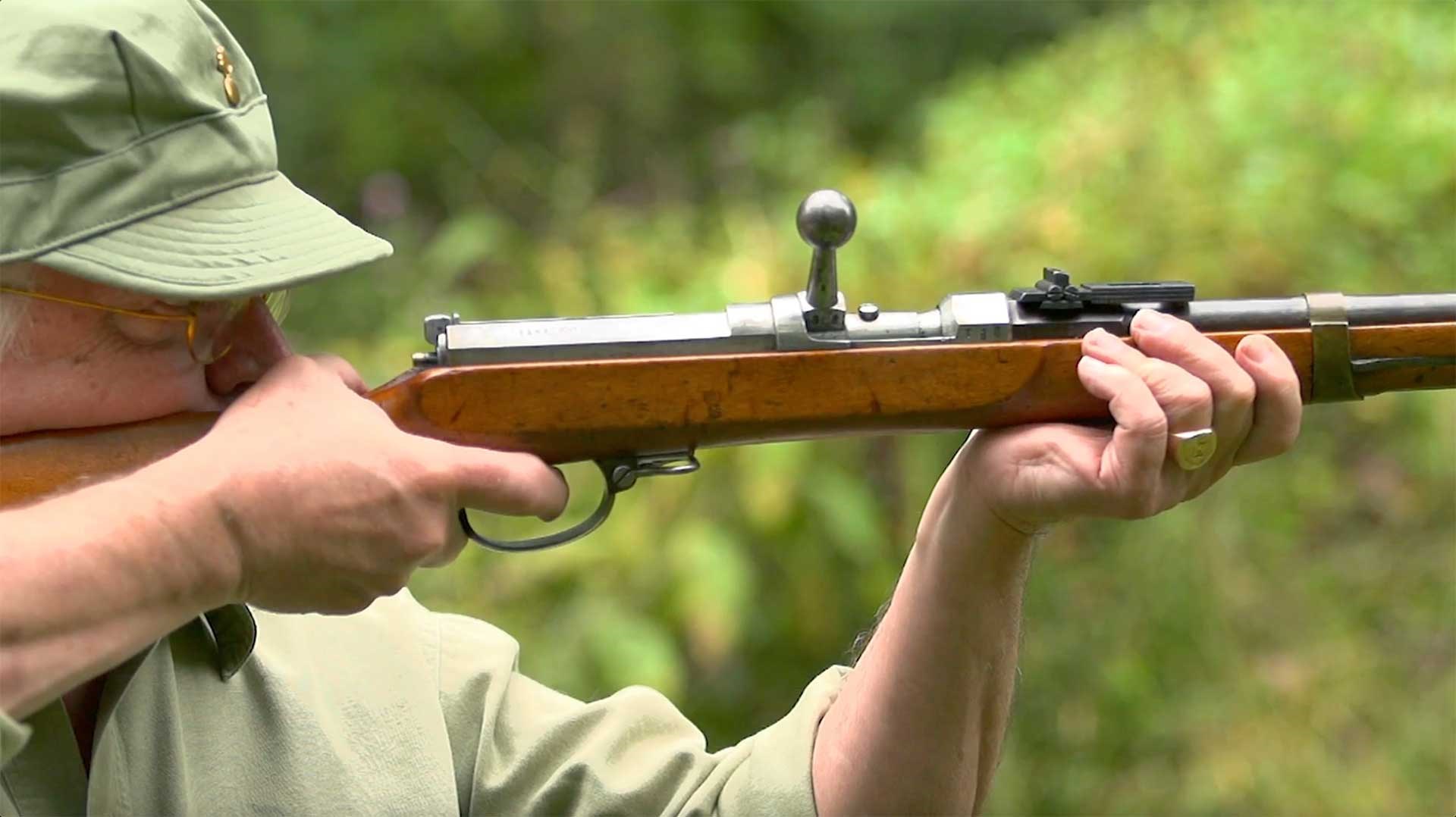
Eventually, Dreyse designed a quick-change system whereby troops armed with the needle rifle could quickly change out firing pins, even in the heat of battle, to keep their rifles shooting. Prussian troops were issued with sets of spare needles along with their cartridges.
"The Dreyse was the primary firearm of the Prussian troops right up through the Franco-Prussian War. Now, at that time, this was 1871. You remember the gun was designed in 1841," James said. "The Dreyse eventually was retired. There were sporting versions of it. However, once the metallic cartridge came in, it was pretty much toast. Very, very clever system. Heck, I would have been more than pleased to be armed with it in the 1840s or '50s."
To watch complete segments of past episodes of American Rifleman TV, go to americanrifleman.org/artv. For all-new episodes of ARTV, tune in Wednesday nights to Outdoor Channel 8:30 p.m. and 11:30 p.m. EST.