Q: I notice that you often use “double-action,” “single-action” and sometimes even “striker-fired” to describe triggers on handguns. I’m a new member, can you give me the executive brief on what these terms mean?
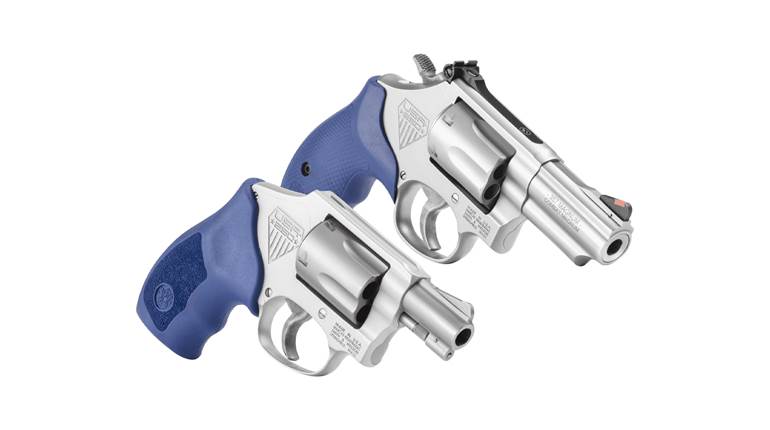
A: As handgun designs have evolved, the nomenclature used to describe their operation has not kept up. Essentially, the terms we use to describe trigger operation were nailed down before semi-automatic pistols were invented, so we will start with revolvers. Single-action revolver operation requires that the hammer be manually cocked by the shooter for each shot. Examples include the Colt Single Action Army and Ruger Blackhawk. In double-action revolvers, a single trigger pull both cocks the hammer then releases it. Most can also be fired single-action by manually cocking the hammer. The majority of revolvers today, such as the S&W Model 10 and Ruger GP100, are of such design. But there are also double-action-only (DAO) revolvers in which pulling the trigger cocks and releases the hammer with no provision for single-action operation. Some have external hammers with their hammer spurs removed, such as Taurus’ Model 85CH, while others, including the ubiquitous S&W Model 442, have a shrouded, or internal, hammer.
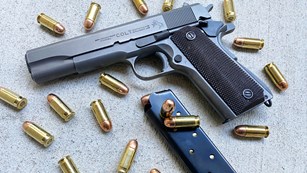
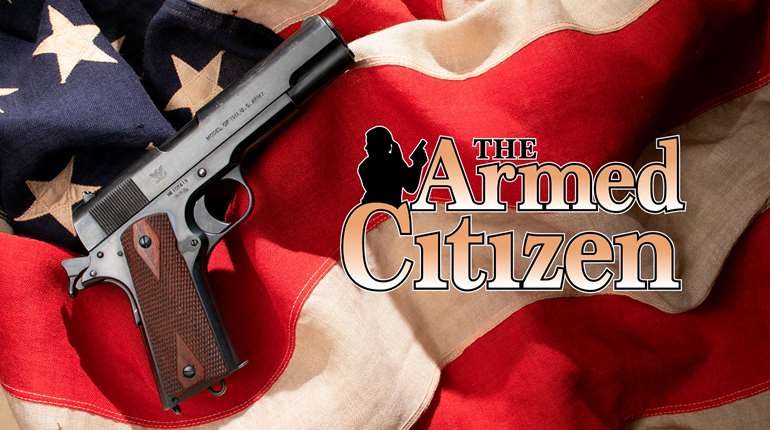
It gets more complicated for semi-automatic pistols. For a single-action semi-automatic, the external hammer must be manually cocked for the first shot. (Of course that typically occurs when the first round is chambered by the shooter as he retracts and releases the slide.) For subsequent shots, the cycling of the slide cocks the hammer each time the gun fires, as in the Colt Government Model. For double-action/single-action (DA/SA) pistols, the first shot is either fired in double-action mode using a long, heavy trigger pull to cock and release the hammer, or, the hammer can be retracted manually and the gun fired as a single-action. Subsequent shots cock the hammer by slide movement and fire using a markedly lighter single-action trigger pull. Most pistols that operate this way have external hammers, and a good example is the Beretta Model 92FS or U.S. M9. A semi-automatic pistol with a double-action-only trigger operates like a DAO revolver—giving the same trigger pull length and weight each time. Such guns, like the SIG Sauer P226R, have no provision for single-action operation.
But the most common form of trigger operation in new hammerless designs involves the use of an internal striker and a trigger that is the same pull weight and length every time. Such systems partially (or even fully) pre-cock the striker to reduce pull length and weight, and often mechanical safeties are integral to the trigger design (such as on Glock pistols). Some guns that operate this way only use trigger movement to clear safeties and release the striker—no cocking occurs. Although the trigger’s pull length and weight are closer to that of a single-action, they still operate like a double-action-only revolver in that all that is necessary to fire is to pull the trigger. To keep things simple for gunwriters—and magazine readers—such guns are often called double-action-only, when striker-fired may actually be a more proper description.
A fuller treatment of handgun triggers has been written by Field Editor Wiley Clapp and can be found at americanrifleman.org/triggernometry.
Most Popular