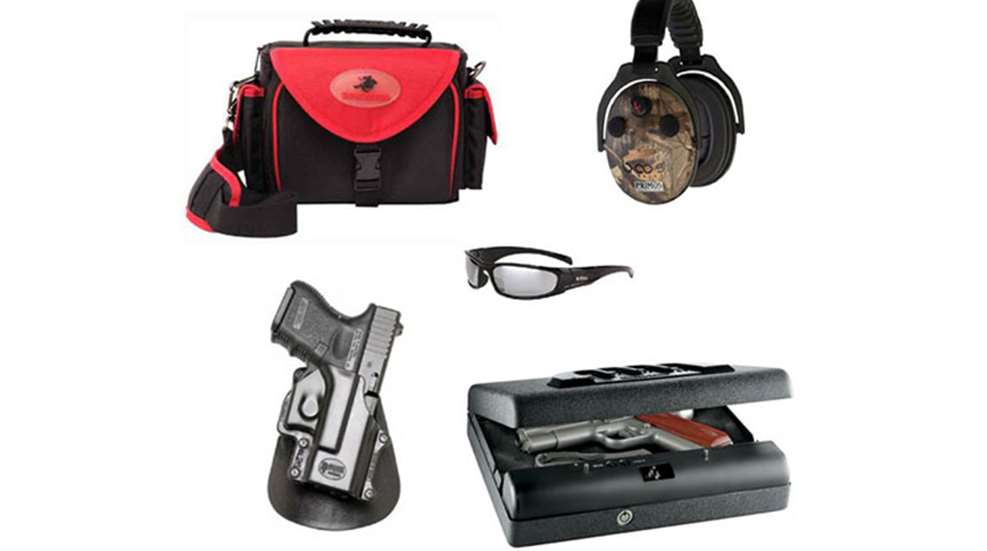
If you are in the market for a handgun, then you have plenty to think about in regard to choosing a make, model and caliber that will fill your needs. But it's a mistake to think that buying the gun is where the purchase ends. Handguns are not ordinary tools that can just be tossed in a drawer like a wrench or a hammer. To properly store, maintain and use a pistol or a revolver, you need to stretch your shopping list to include several more items:
1. Safe Gun Storage
Absolutely first and foremost on the to-buy list is a device or system for securing your handgun against unauthorized access. There's something out there to fit every budget and situation, portable quick-access strong boxes, and heavy duty fire-resistant gun safes.
2. Gun Case
You'll need a way to safely transport your handgun from place to place. Soft side and hard side gun cases do a great job of protecting handguns from dings and scratches. They are readily available at most sporting goods stores. Many of these affordable cases are also lockable, which may be necessary to meet your local regulations for the legal transportation of a firearm.
3. Cleaning Kit
Guns are machines, and so like any other mechanical device they need proper care and maintenance in order to keep running properly. An affordable way to get started is to pick up a simple caliber-specific or universal cleaning kit, like those offered by Hoppes, KleenBore, and Winchester. Recreational firearms can be cleaned as needed. However, concealed-carry and defensive guns should be cleaned and lubricated after every trip to the range and checked regularly.
4. Ammunition
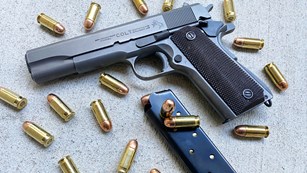
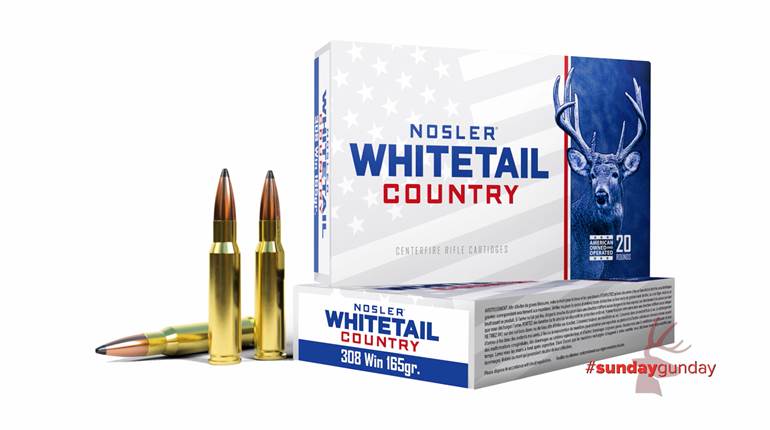
Having enough of the right type of ammunition is the key to making the best use of a handgun for its intended purpose. Generally speaking, handgun ammunition is available in practice-grade loads and defense-grade loads. Practice grade ammunition costs less due to the use of simple bullet styles (full-metal jacket, lead) and less-expensive components. Defense-grade ammunition costs more because of the sophisticated bullets (hollow points) and high grade components they contain.
But how much should you buy? When I started collecting handguns, I couldn't afford to stock up on thousands of rounds. So I started by stocking enough for three or four trips to the practice range. The plan included 50 rounds of practice ammo and two or three reloads (about 20 rounds) of defense grade ammunition per trip. This evened out to keeping 200-rounds practice and 60 to 80 rounds of defense-grade ammunition on hand at home. As time goes on, ammunition can become a monthly budget item so that more can be stored away for a rainy day. Be sure to buy the right cartridges for your gun because ammunition usually can't be returned once it leaves the store.
5. Practice
Along with ammunition, time and money will need to be set aside for practice at the shooting range. Some ranges provide hearing and eye protection, others don’t. Luckily it's not hard to find affordable safety glasses, ear plugs or muffs and a range bag at your local sporting goods store.
6. Holster
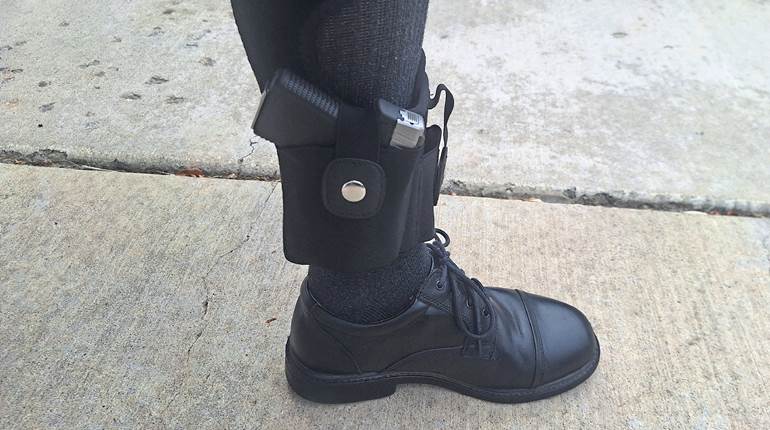
For those who plan to legally carry a handgun, buying a quality holster makes all the difference. Cheap, low quality, or poorly designed holsters can make wearing the gun a miserable experience. Often the gun gets blamed for the discomfort. But the same firearm in a good holster that provides the right amount of support and stability will become almost forget-it’s-there comfortable to wear. Plan to spend about 15 percent of what you paid for the gun on the holster, which will usually be enough money to get the right rig for the job.
7. Training
Last, but certainly not least, the new handgun owner needs to seek out as much training and shooting related information as they can afford. One-on-one classes with professional instructors using live-fire practice is the best option available, but it can be expensive. If this kind of training is not accessible, then invest in quality books and videos until you can get into a class. Just a few useful resources to consider include the NRA Guide to the Basics of Personal Protection in the Home [], the NRA Guide to the Basics of Personal Protection Outside the Home, I.C.E. Training's Counter Ambush Home Training Course, and Concealed Carry and Home Defense Fundamentals by Michael Martin.
Most Popular