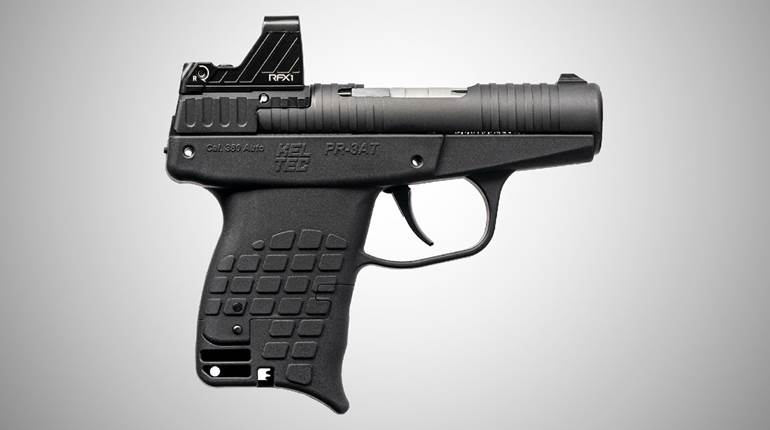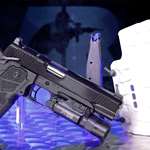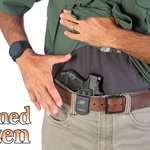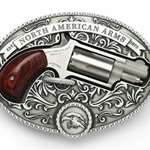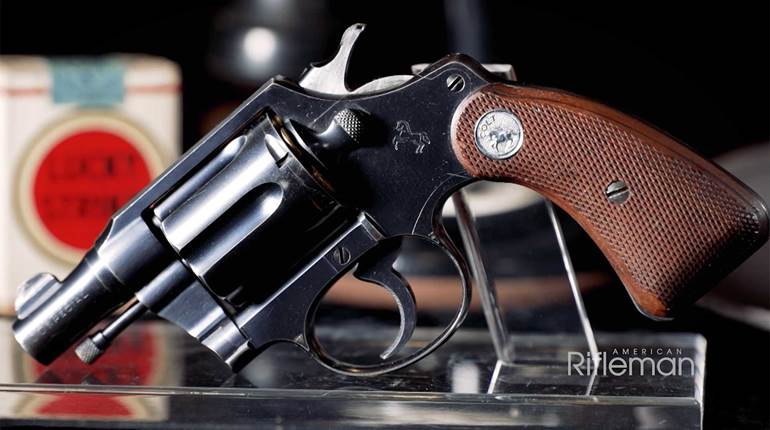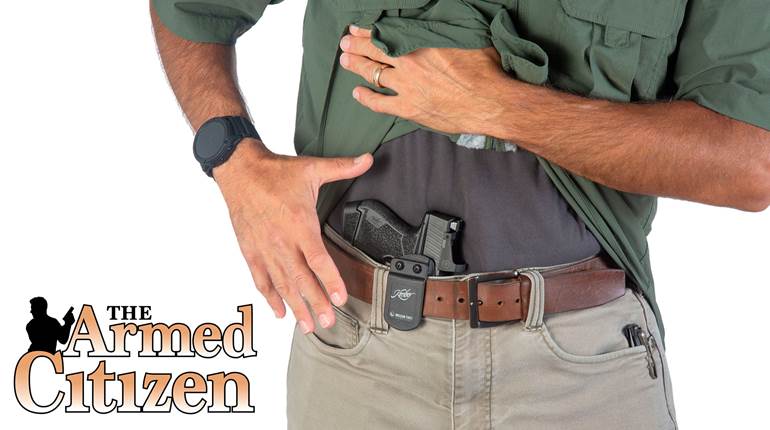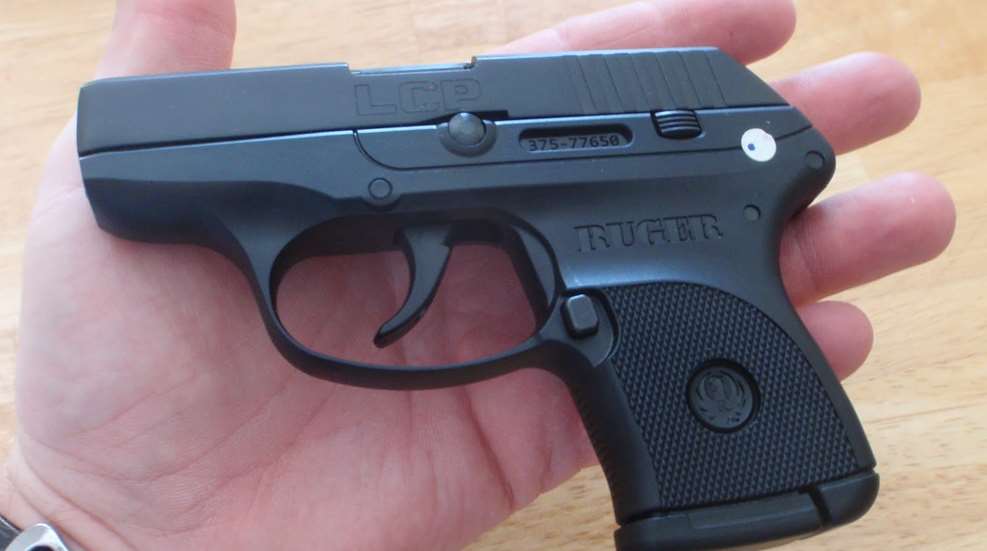
Over the last few years, pocket-sized pistols have dominated the concealed-carry handgun market. More makes and models of these ultra-compact, lightweight defensive firearms are available than ever before. As someone who owns, shoots and packs these diminutive guns, I appreciate both their convenience for daily carry and their usefulness when larger defensive options cannot be employed. However, pocket pistols have certain limitations that new or inexperienced handgunners need to be aware of before they commit to buying one:
1. To make a pistol easier to pocket, the grip size is usually the first thing to shrink. Short grips can leave one, or even two, of shooting-hand fingers with nothing to hold. This in turn can make the gun hard to manage when forming a sight picture and during recoil.
2. Shrinking a handgun's size reduces the amount of ammunition it can hold. Snub-nose revolvers usually hold just five rounds, while semi-automatics can hold as little as six rounds in the magazine. How many rounds a handgun has ready to fire, and how often it must be reloaded, becomes an important factor when a self-defender is faced with multiple threats.
3. Small pistols provide less stopping power than larger handguns. In some cases, this is because the handgun is chambered for a smaller cartridge such as the .380 ACP, .32 ACP, or .22 Long Rifle. When it comes to pocket pistols chambered for larger rounds, including the .38 Special, .40 S&W and .45 ACP, the pistol's abbreviated barrel reduces the amount of velocity a bullet can develop before it leaves the gun. While there may not be too much energy loss in some models, others can produce a substantial drop.
4. Be prepared for puny sights. To facilitate a quick draw from a pocket or purse, these pistols often have small sight systems ranging from merely functional to nearly vestigial. A few of the smallest and sleekest versions have no sights at all. The lack of useful sights will affect shot placement.
5. Pocket pistols often have triggers that are tough to work with. Whether it is the nature of the gun's mechanism (double-action revolvers) or the safety concerns of the manufacturer (semi-automatics), plenty of pocket pistols leave the factory with a long, heavy trigger pull. Some require as much as 12 to 15 pounds of pressure to cycle, which is quite a bit compared to the 4 to 6 pounds of trigger pull commonly found on many full-size striker-fired pistols these days.
6. Plan on experiencing more felt recoil. No matter what the caliber may be, from the pithy .25 ACP to the mighty .45 ACP, reducing the overall mass of a pistol results in more recoil energy being transferred to the shooter. In other words, a cartridge that's comfortable to shoot in a full-size handgun can turn a pocket-sized gun into a hand-pounding jackhammer.
7. Pocket pistols on the whole are less accurate than larger defensive handguns. Yes, it's true that Jerry Miculek can hit a target at 200 yards with an upside down J-Frame air weight revolver, but then again, he's one of the greatest professional shooters of all time. For us mere mortals, pocket pistols tend to be short-range personal-protection tools with the best practical defensive accuracy often found somewhere at or below 15 yards in distance.
So, are pocket pistols "bad" guns? No, they're not, when they are used for their intended purpose of close-range personal defense when larger guns have to be left at home. But they are a class of firearm that requires more time and energy to learn to fire effectively. If you are considering a pocket pistol for concealed carry, try it before you buy it by borrowing one from a friend or renting it from a shooting range. Then be prepared to practice with it until you get the hang of it.