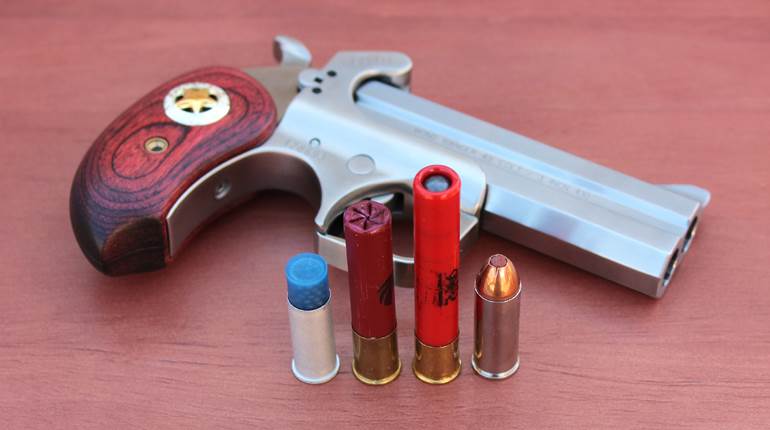
Carry guns sit in holsters against the body and are exposed to changes in humidity and sweat. As such, everyday guns require additional care since they’re required to work when needed to potentially save a life.
Anyone who carries a concealed handgun should fire his or her gun at least once a month to maintain proper firearm and safety handling skills. Every time you head to the range for practice, you should perform a breakdown cleaning of your gun. Since you would never put a dirty rifle in the safe, why would you strap one to your body? This is the time for you to visually inspect all of the parts that ensure the gun is safe to shoot.
However, a carry gun should also be wiped down on a regular basis with a cloth to prevent rust from forming (daily if you work in varying conditions and temperatures). This includes putting a patch through the bore. If it has been a while since you’ve made it to the range, you should also periodically unload the gun and remove all ammunition to test the hammer and trigger to ensure that nothing has wedged into the mechanisms that would prevent the gun from firing.
A carry gun is a tool, an important tool. And considering its designated purpose, it could be your most important tool. Be sure to take care of it.