Continuing our look at the business of the gun business, the next component to consider is how the industry’s distribution channels further obfuscate sales trends and product demand. In many industries, a lot of data is collected in the distribution channel, but in the gun business, virtually none of this information is available to industry analysts.
What exactly is a distribution channel? It’s the mechanism for moving a product from the manufacturer to the consumer. There are three channels in the firearms business: two-step distributors, retailers and (by far the smallest) factory-direct sales. This latter category is almost exclusively used by accessory manufacturers and small, boutique gun companies, not major firearms makers for the obvious reason that an FFL transfer is required to sell a gun.
The primary channel used by large gunmakers is two-step distribution in which the manufacturer sells to a distributor who in turn sells to a retailer, thus making two intermediaries in between the manufacturer and the end-user. And here’s where the confusion arises.
Generally speaking, a manufacturer books a sale when product is shipped to a customer, but in the two-step channel of the gun business a lot of “sales” are not actually booked because of what might be called the Wimpey Plan—I’ll gladly pay you Tuesday for a gun today.
The correct term is “dating program” and it’s a way for manufacturers to even out their production in a market that’s highly seasonal because hunting gun sales are highly compressed into the four months of the fall. Dating programs are used for hunting rifles and shotguns to give a two-step distributor “dating terms” to pay an invoice. Typically, a distributor must take delivery of guns in March or April but not have to pay for them until sometime in the fall.
Accordingly, sales are not truly consummated with a dating program. For example, consider the wording of Ruger’s most recent quarterly report or the third quarter 2010:
“Estimated unit sell-through of the Company’s products from distributors to retailers in the third quarter of 2010 decreased by approximately 7 percentfrom both the third quarter of 2009 and the second quarter of 2010. NICS checks increased 6 percentfrom the third quarter of 2009 and 2 percent from the second quarter of 2010, indicating that the Company’s share of total firearms retail transactions (new and used firearms) may have declined during the quarter.”
When Ruger states “Estimated unit sell-through… from distributors to retailers,” the meaning is clearly that the company doesn’t actually know how many of its products moved through its distribution channel. Compare that to the automotive industry where Ford knows precisely how many blue pick-up trucks are sitting on dealer lots.
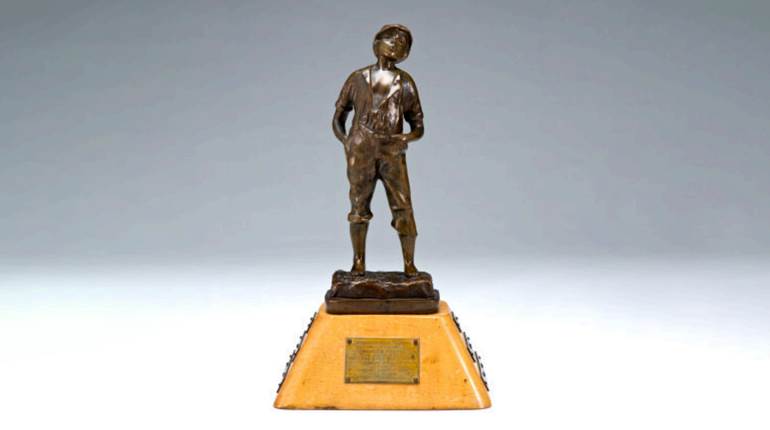
This is not to pick on Ruger; in fact the Connecticut-based manufacturer has developed one of the best distribution channels in the industry as evidenced by its winning “manufacturer of the year” in 2010 from the National Sports Goods Wholesalers association. It’s the fourth consecutive year that Ruger won the honor.
The point is simply that sales information derived from the distribution channel of the gun business is obfuscated with dating programs and a two-step mechanism that makes it impossible to know levels of inventory. “Sold” guns could well be sitting on retailers shelves or gathering dust in a warehouse.
Next time we’ll look at a highly misleading factor that makes tracking sales in the gun business so darned difficult.